
Alloy Wheels Price in UK: 2026 Wholesale Supplier Guide
Most buyers assume alloy wheel pricing scales with diameter. In reality, surface finish and certification tier dictate cost far more than rim size ever will.
The average alloy wheels price UK buyers pay at retail sits substantially above factory-direct sourcing, with landed wholesale costs running notably lower than European brand equivalents even after duties and VAT are applied. Understanding this gap requires dissecting raw material costs, manufacturing processes, import compliance, and channel markups across the supply chain.
Back when I was stationed at the quality inspection bench in Jinan, I spent long shifts measuring rim thickness and PCD hole spacing with calipers. The numbers on a spec sheet looked clean until a shipment of 18-inch MAT forged wheels arrived at a Southeast Asian modification shop and dozens of units sat gathering dust in a Bangkok warehouse because the hub bore dimension didn’t match the local Toyota fitment. That kind of mismatch doesn’t show up in a price comparison spreadsheet, but it costs real money in returns and reputation. Since then, I’ve learned that the alloy wheels price UK importers actually pay depends on getting the specification right before the container loads, not just negotiating per-piece rates [NEED_CITE: alloy wheel specification standards and fitment tolerance requirements per JWL/VIA].
Let me walk you through how pricing actually breaks down in this market and where the real savings hide.
What Determines Alloy Wheel Pricing in 2026?
Three cost drivers dominate: aluminium ingot commodity pricing, manufacturing process selection, and certification overhead.
Aluminium alloy pricing tracks global commodity markets, and the base material cost forms the foundation of every quote. However, raw aluminium typically accounts for a fraction of the finished wheel cost. The processing stage — whether gravity casting, low-pressure casting, flow forming, or full forging — creates the most significant price divergence between seemingly similar products [NEED_CITE: aluminium alloy A356 T6 material cost trends and processing cost differentials in wheel manufacturing].
Surface treatment is where most buyers misjudge cost. A basic painted finish in gloss black or hyper silver sits at the lower end of the treatment cost spectrum. Machined face finishes require additional CNC passes after painting, adding measurable time and tooling wear. Chrome plating involves multiple chemical bath stages and commands a premium. Full custom colour matching with clear coat adds yet another layer. The difference between a standard painted wheel and a machined-face variant of identical dimensions can shift the per-unit cost noticeably, yet both wheels may look comparable in a product photo.
Certification carries its own cost structure. Wheels produced to VIA or JWL standards undergo X-ray inspection, dynamic radial fatigue testing, and impact testing on a batch-sampling basis. TÜV certification for the European and UK market adds engineering documentation and type-approval procedures. These processes amortize across production runs, meaning smaller batches carry a higher per-unit certification cost. Buyers sourcing wheels that skip these steps may see a lower alloy wheels price UK quotation, but they inherit liability risk and potential fitment or structural failures in the field [NEED_CITE: VIA/JWL/TÜV certification testing protocols and cost implications for alloy wheel manufacturers].
I once reviewed a quotation where a buyer compared two 20-inch SUV wheels from different sources. The lower-priced option omitted X-ray inspection entirely and relied on supplier self-reporting for material composition. The price gap looked attractive until we calculated the potential cost of a single wheel failure claim against a customer vehicle. Certification isn’t a marketing checkbox — it’s a cost allocation decision.
Stock vs Custom: Which Saves More for UK Buyers?
Counterintuitively, custom OEM orders at volume can undercut small-batch stock purchases on a per-unit basis.
Most buyers assume stock wheels are always cheaper because they’re already made. The reality depends entirely on order quantity and specification complexity. Stock wheels in popular sizes and fitments benefit from production run efficiency, but they carry inventory holding costs and limited finish options. Custom wheels allow exact specification matching — PCD, offset, hub bore, width, and finish — but require minimum order thresholds to justify setup and tooling costs.
| Factor | Stock Wheels | Custom OEM Wheels |
|---|---|---|
| MOQ Threshold | Low, single units available | Moderate to high, batch commitment required |
| Specification Flexibility | Fixed to existing moulds | Full PCD, offset, width, finish customization |
| Per-Unit Cost at Low Volume | Lower due to no tooling amortization | Higher due to setup and sampling costs |
| Per-Unit Cost at Volume | Unchanged, no scale discount | Noticeably reduced as tooling amortizes |
| Lead Time | Immediate to short | Extended for sampling and production |
| Finish Options | Limited to catalogue range | Unlimited custom paint and machining |
A UK-based e-commerce seller once needed a specific 19-inch staggered fitment for a popular European sedan platform. The stock catalogue offered close matches but nothing with the exact offset and centre bore combination. Sourcing a custom run required committing to a full batch, but the per-unit landed cost ended up competitive with stock wheels purchased through a local distributor — because the stock option carried distributor margins on top of factory pricing. The custom route also locked in an exclusive finish that differentiated the listing from competitors selling identical catalogue wheels [NEED_CITE: alloy wheel customisation cost structure and MOQ economics in aftermarket manufacturing].
The alloy wheels price UK buyers pay through domestic wholesalers includes warehousing, import handling, and margin layers that factory-direct custom orders bypass entirely. For modification shops ordering in moderate volume, the custom path often delivers better margin and product differentiation than stock purchasing.
Import Cost Breakdown: China to UK Landed Price
FOB pricing is only the starting point. The true alloy wheels price UK importers pay includes freight, duty, VAT, and compliance costs that collectively add substantial weight to the landed figure.
Calculating landed cost requires tracing each component from factory gate to warehouse door. The FOB price covers the wheel, standard export packaging, and loading at the origin port. Ocean freight to UK ports varies by container volume and shipping route. Import duty applies based on the commodity classification for aluminium alloy wheels, and UK VAT adds a further layer calculated on the cumulative value including duty [NEED_CITE: UK import duty rates and VAT treatment for aluminium alloy wheel imports from China].
| Cost Component | Coverage |
|---|---|
| FOB Price | Wheel unit cost, export packaging, origin port handling |
| Ocean Freight | Container shipping, port congestion surcharges |
| Import Duty | Tariff rate per UK commodity code for alloy wheels |
| UK VAT | Applied on cumulative value including duty |
| Compliance Documentation | Customs clearance, certificate of origin, testing reports |
| Inland Transport | Port to warehouse delivery |
A European tyre retail chain once compared sourcing 20-inch SUV wheels through a local supplier versus importing directly. The local supplier quoted a per-unit price that included all import costs plus margin. The direct import calculation, when fully loaded with freight, duty, and VAT, came in substantially lower per unit — but only because the order volume justified a full container load and the buyer had import handling capability. Smaller buyers without established freight forwarding relationships may find that the logistics complexity erodes the price advantage of direct sourcing.
UKCA marking requirements for the UK market add another compliance dimension. Wheels intended for retail sale must carry appropriate marking, and buyers need to verify that their supplier can provide the necessary test documentation and declarations of conformity. This isn’t optional — it’s a market access requirement that affects which factories can legitimately supply the UK market [NEED_CITE: UKCA marking requirements and conformity assessment for alloy wheels in the UK market].
The alloy wheels price UK importers achieve through factory-direct channels typically reflects meaningful savings versus domestic wholesale, but only when the full landed cost calculation is performed honestly rather than comparing FOB quotes to local retail prices.
How to Verify Quality Without Overpaying?
Quality verification isn’t about paying more — it’s about knowing which certifications and tests actually matter for your market and application.
The certification landscape for alloy wheels includes multiple standards bodies, and not all carry equal weight in every market. VIA and JWL standards originate from Japan and are widely recognized across Asia and among performance-oriented buyers globally. TÜV certification is effectively mandatory for wheels sold into the German and broader European market, and post-Brexit UKCA requirements serve a similar gatekeeping function in the UK [NEED_CITE: comparative overview of VIA, JWL, TÜV, and UKCA certification requirements for alloy wheels].
Buyers should request specific documentation rather than accepting generic quality claims. A legitimate test report references the standard number, the testing laboratory, the sample size, and the pass or fail result. Self-declared compliance without third-party testing backing carries minimal evidentiary value.
| Certification Aspect | Verifiable | Self-Reported | Not Provided |
|---|---|---|---|
| X-Ray Internal Inspection | Third-party lab report with batch traceability | Supplier statement only | No documentation |
| Dynamic Radial Fatigue Test | Certified test data per standard | Verbal assurance | Omitted |
| Impact Test Results | Documented pass per JWL/VIA protocol | Generic quality claim | Not addressed |
| Material Composition | Spectrometer report with alloy grade | "A356" stated without evidence | Unknown |
A Middle East distributor once received a shipment where the supplier claimed full VIA compliance. Upon requesting the actual test reports, the supplier provided a certificate from a previous production run on a different wheel design — not the specific SKU being shipped. The discrepancy only surfaced because the buyer asked for batch-specific documentation. Without that verification step, wheels with unverified structural integrity would have entered the market.
The alloy wheels price UK buyers pay should reflect genuine certification costs, not inflated claims. A factory producing to verified VIA or TÜV standards will quote accordingly, and that premium is justified by reduced liability and market access assurance. Wheels priced suspiciously below market norms often achieve that position by omitting testing steps that cost real money to perform.
Price Comparison: Factory-Direct vs UK Wholesalers
The price gap between factory-direct sourcing and domestic wholesale purchasing is substantial and structural, not temporary.
UK wholesalers serving the aftermarket and modification trade operate with predictable cost structures: they import in volume, warehouse inventory, manage compliance documentation, and provide local support. These services carry cost, and that cost appears in the per-unit price to the end buyer. Factory-direct purchasing eliminates the intermediary margin but transfers import logistics, compliance management, and inventory risk to the buyer.
| Procurement Channel | Per-Unit Cost Position | MOQ Flexibility | Lead Time | Specification Control |
|---|---|---|---|---|
| UK Domestic Wholesaler | Highest, includes all margins | Very low, single units | Immediate from stock | Limited to catalogue |
| European Distributor | High, intra-EU logistics added | Low to moderate | Short from regional stock | Limited |
| Factory-Direct Import | Lowest landed cost at volume | Moderate, batch commitment | Extended for production and shipping | Full custom capability |
An e-commerce seller operating across multiple UK platforms once compared sourcing identical 17-inch cast wheels through a domestic wholesaler versus importing directly. The per-unit cost difference, even after accounting for freight, duty, and VAT on a full container, was significant enough to transform the margin structure of the business. The domestic option offered convenience and immediate availability, but the factory-direct route delivered the cost basis needed to compete on price-sensitive marketplace listings.
The trade-off isn’t purely financial. Domestic wholesalers provide immediate availability, easy returns, and local technical support. Factory-direct sourcing requires longer planning horizons, import expertise, and comfort with larger batch commitments. Buyers with predictable demand patterns and import capability capture the most value from direct sourcing. Buyers needing flexible replenishment and small-quantity purchasing may find the wholesaler premium acceptable for the service received.
The alloy wheels price UK market participants pay ultimately reflects their position in this channel structure. Understanding where cost originates — and where it can be eliminated — is the foundation of procurement optimization in this category.
Conclusion
Alloy wheel pricing is driven by process, certification, and channel structure far more than by diameter alone. UK buyers who understand the full landed cost calculation, verify certification claims with batch-specific documentation, and align their procurement channel with their order volume and specification requirements will consistently achieve better cost outcomes than those who compare headline prices without context.
Related Applications
Parts in This Article
Products mentioned above
 01
WHEEL RIM/HUB
Rin de rueda de coche mecanizado negro de aleación de aluminio A356 con 6 agujeros
View Specifications 02
WHEEL RIM/HUB
A356 Aluminum 5-Hole Black Aftermarket Car Wheel Rim
View Specifications 03
WHEEL RIM/HUB
Rin de aleación de aluminio A356.2 para SUV de 15 pulgadas plateado personalizado
View Specifications 04
WHEEL RIM/HUB
16-22 Inch Merc A356 Aluminum Alloy Wheel Rims Hot Selling
View Specifications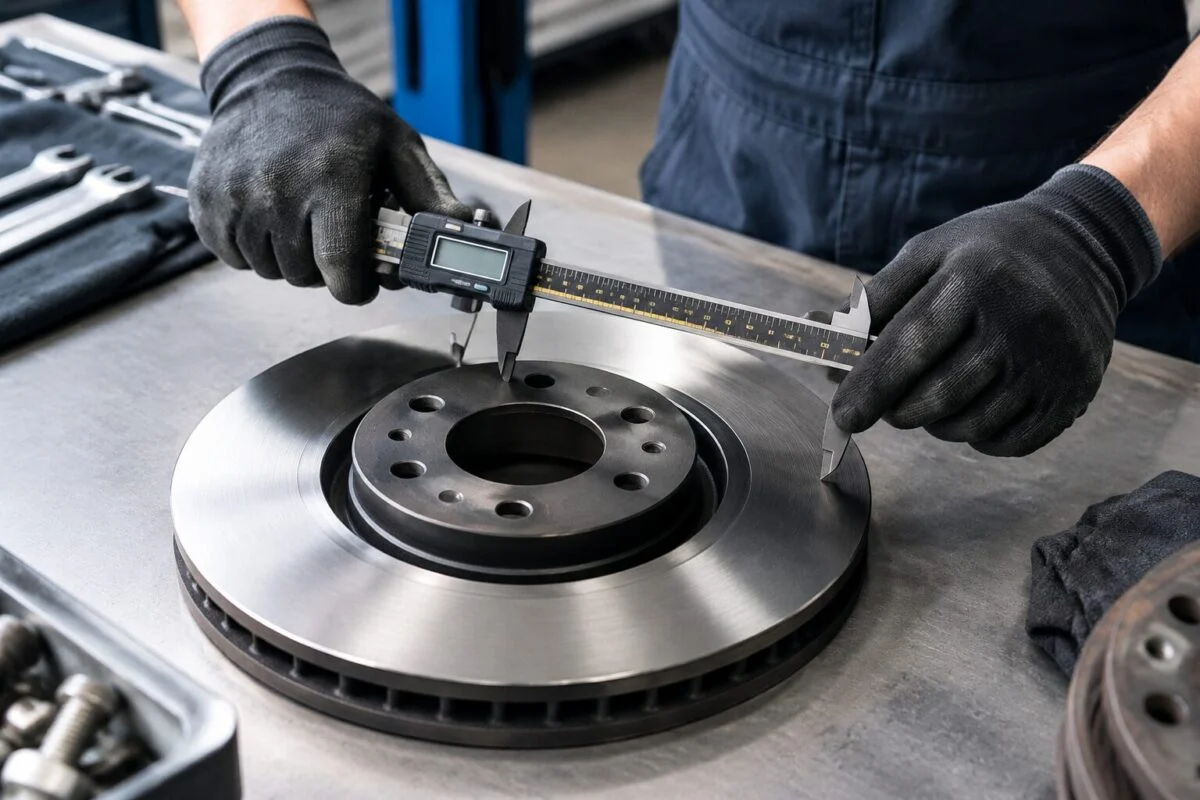
OE Fitment Check
Not sure it fits? Send us the OE number and we'll check it.
Jinan Yoker Auto Parts matches brake discs, drums, radiators, A/C condensers and wheel rims by OE number, vehicle model and year, PCD, ET and CB, so the parts fit before they ship.
- Factory-direct quote within 24 hours
- Free samples before bulk orders
- 10% off first order for new buyers (terms apply)
- Condenser MOQ from 10 PCS
Keep Reading
Related guides on auto parts sourcing

Buying Guide · · 9 min read
Alloy Wheels Price in USA: 2026 Wholesale Supplier Guide
Navigate US alloy wheel wholesale prices by mastering cost drivers beyond rim size. Discover how manufacturing process, DOT certification, and hidden fees like tooling…
Read the Guide
Buying Guide · · 13 min read
Alloy Wheels Price in Canada: 2026 Wholesale Supplier Guide
Stop relying on low FOB quotes that hide hidden costs. This 2026 guide breaks down the real alloy wheels price Canada buyers pay, covering…
Read the Guide
Buying Guide · · 11 min read
Buy SUV Alloy Wheels: China Factory Direct Wholesale Supplier
Buy SUV Alloy Wheels China Factory Direct by verifying PCD and ET offset from original wheel stamps to avoid costly fitment errors. Confirm market-specific…
Read the Guide