
Alloy Wheels Price in Canada: 2026 Wholesale Supplier Guide
The per-piece quote you see on a supplier’s spreadsheet is only a fraction of what you actually pay. The real alloy wheels price Canada buyers face at their warehouse door includes raw material surcharges, certification amortization, ocean freight, CBSA customs duties, GST, port handling fees, and last-mile trucking — and for many first-time importers, that final landed cost runs substantially higher than the FOB number suggested.
If you are sourcing alloy wheels for the Canadian market in 2026, expect your true per-unit landed cost to be composed of roughly four major cost layers — factory production, international logistics, border duties and taxes, and domestic delivery — with the factory portion representing less than half of the total bill for most buyers. Understanding each layer is the only way to compare supplier quotes accurately and avoid surprise charges that erase any apparent savings on unit price.
I remember a North American distributor who ordered a full container of matte black 20-inch wheels at what looked like a very competitive unit price. When the shipment cleared the port and reached his warehouse in Ontario, his actual per-piece cost had climbed past what local competitors were charging — because nobody had calculated the anti-dumping duty rate and the port surcharge structure into the original quote. That kind of miscalculation is painfully common, and it is exactly why breaking down the alloy wheels price Canada buyers actually pay matters more than chasing the lowest FOB number. [NEED_CITE: CBSA anti-dumping duty rates on aluminum wheel imports from China]
Let me walk you through how each cost layer works, which pricing tier fits different order profiles, and how to read a supplier quote without falling into the low-unit-price trap.
What Determines Alloy Wheels Price in Canada in 2026?
Four cost pillars drive the final alloy wheels price Canada buyers pay: aluminum ingot market price, surface finish complexity, certification requirements, and order volume structure. Change any one of these, and the per-piece number shifts noticeably.
The aluminum ingot base price is the starting point. It fluctuates with global commodity markets, and most factories build a raw material surcharge clause into their quotes — typically indexed to the London Metal Exchange or the International Aluminium Institute benchmark. [NEED_CITE: International Aluminium Institute primary aluminum price index methodology] When aluminum prices spike, even a stable factory quote may carry a surcharge that arrives later.
Surface finish is the second pillar. A standard machined face or gloss black finish sits at the lower end of the cost spectrum. Move into multi-layer processes — such as a machined face with painted pockets, hyper silver with a clear coat, or a brushed bronze with anti-corrosion undercoat — and the machining time, paint booth cycles, and quality inspection steps all add cost layers. The finish itself is not always the biggest expense; it is the additional production steps and the rejection rate tolerance that drive the number up.
Certification forms the third pillar. Wheels destined for the Canadian aftermarket often need to meet or demonstrate compliance with standards recognized by Transport Canada, and buyers frequently request TUV, VIA, JWL, or DOT certification depending on their end-market positioning. Each certification carries an amortization cost — the testing fees, factory audit costs, and ongoing compliance documentation get distributed across the order volume. A small batch with full certification will carry a noticeably higher per-piece certification burden than a large production run. [NEED_CITE: TUV and VIA certification cost structures for aftermarket alloy wheels]
Order volume is the fourth pillar, and it interacts with all three above. Larger orders spread the mold development cost, certification amortization, and setup charges across more units. Smaller orders — especially mixed-SKU containers — concentrate those fixed costs onto fewer pieces, raising the per-unit price even if the raw material and finish are identical.
| Cost Pillar | Low-End Scenario | Mid-Range Scenario | High-End Scenario |
|---|---|---|---|
| Aluminum Base | Commodity-grade, standard alloy | Controlled alloy composition | Premium aerospace-grade alloy |
| Surface Finish | Single-layer gloss or machined | Dual-layer with clear coat | Multi-layer with specialized effects |
| Certification | Basic self-inspection | Single international cert | Multi-cert coverage (TUV, VIA, DOT, JWL) |
| Order Volume | Full container, single SKU | Mixed SKU container | Low-MOQ custom with full cert |
A tuning shop I worked with once switched from branded European wheels to factory-direct custom wheels with full VIA and TUV coverage. Their per-piece cost dropped noticeably — not because the aluminum was cheaper, but because they eliminated the brand markup layer and absorbed the certification cost across a reasonable order volume. That is the kind of structural saving that matters when you are calculating the real alloy wheels price Canada buyers should benchmark.
How Does the Full Cost Stack Break Down from Factory to Canadian Warehouse?
The FOB price your supplier quotes typically represents only a portion of your total landed cost — ocean freight, CBSA customs duties, GST/HST, port handling charges, and domestic trucking complete the picture. Ignoring any of these layers will give you a distorted view of the alloy wheels price Canada buyers actually pay.
Start with the FOB number. This covers production, packaging, and delivery to the Chinese port. It is the number most buyers fixate on, but it is only the beginning.
Ocean freight is the next layer. Container rates fluctuate with shipping cycles, and the route from major Chinese ports to Canadian west coast ports like Vancouver or east coast ports like Halifax carries different rate structures. During peak shipping seasons, freight costs can climb substantially, and that increase flows directly into your per-unit landed cost. [NEED_CITE: Container shipping rate trends from China to Canadian ports]
Then comes the border. Canada applies customs duties on imported alloy wheels, and the classification under the CBSA tariff schedule determines the rate. Buyers need to verify the correct HS code for their specific wheel type — passenger vehicle alloy wheels, truck wheels, and motorcycle wheels may fall under different tariff lines with different duty rates. There have also been historical trade remedy measures on certain aluminum wheel imports, so checking current CBSA anti-dumping and countervailing duty orders is essential before finalizing a purchase. [NEED_CITE: CBSA current tariff classification and trade remedy measures for aluminum alloy wheels]
GST and HST apply on top of the duty-paid value. For Canadian importers, this is a recoverable tax if you are registered, but it still affects your cash flow timing and working capital calculation.
Port handling charges — including terminal handling, wharfage, and customs brokerage fees — add another layer. These are often quoted as per-container or per-CBM charges and need to be allocated across the number of wheels in the shipment.
Finally, domestic trucking from the port to your warehouse completes the stack. Distance from port to warehouse varies enormously across Canada, and a buyer in western Ontario faces a different last-mile cost than one in the Greater Toronto Area or in Atlantic Canada.
| Cost Layer | Typical Position in Stack | Variability Factor |
|---|---|---|
| FOB Factory Price | Base layer | Stable short-term, shifts with aluminum index |
| Ocean Freight | Second layer | Highly cyclical, seasonal peaks |
| CBSA Customs Duty | Third layer | Depends on HS code and trade remedy status |
| GST/HST | Fourth layer | Fixed rate, recoverable for registered importers |
| Port Handling | Fifth layer | Per-container or per-CBM, relatively stable |
| Domestic Trucking | Final layer | Distance-dependent, regional variation |
A Middle East distributor once shared his landed cost spreadsheet with me, and when I ran the same structure for a Canadian buyer ordering the same wheel, the difference in duty rates and port fees alone shifted the per-piece landed cost by a noticeable margin. The FOB was identical. The end cost was not. That is why any serious comparison of alloy wheels price Canada buyers make must be done on a landed-cost basis, not an FOB basis.
Which Price Tier Fits Your Business — Stock, Semi-Custom, or Full OEM?
Matching your order profile to the right production tier is one of the most effective ways to control the alloy wheels price Canada buyers pay — ordering full OEM custom when stock models would serve your market is one of the most expensive mistakes a buyer can make.
Stock models represent the lowest per-piece cost tier. These are wheels the factory already produces in standard sizes, standard offsets, and standard finishes. There is no mold development cost, no custom paint setup, and the production run is already scheduled. The trade-off is limited design choice and standard packaging. For tire shops, auto parts retailers, and e-commerce sellers who need popular fitment sizes for high-volume vehicle platforms, stock models often deliver the best value. The MOQ for stock models from a factory like Jinan Yoker starts at a very accessible level — as low as twenty pieces per SKU — which makes it feasible to test multiple sizes and finishes without committing to a full container of a single design.
Semi-custom sits in the middle. You select from existing mold designs but specify your own finish color, maybe a custom center cap logo, and specific packaging requirements. The mold cost is zero since the design already exists, but the paint setup and branding elements add a moderate cost layer. This tier suits tuning shops and modification garages who want a distinctive look for their customers without the investment of a fully custom wheel program. MOQs for semi-custom typically start around one hundred pieces per SKU.
Full OEM custom is the highest tier. You bring your own design — or work with the factory’s engineering team to develop one — and the factory opens new molds, runs prototype samples, completes all certification testing, and then produces to your specification. The mold development cost, engineering time, and certification amortization all land on your order. This tier makes sense for distributors building an exclusive brand, OEM manufacturers supplying vehicle assembly, or large-scale fleet programs where the volume justifies the upfront investment.
| Tier | Mold Cost | Finish Flexibility | MOQ Range | Best Suited For |
|---|---|---|---|---|
| Stock Models | None | Standard finishes only | Low (from 20 pcs) | Retailers, e-commerce, tire shops |
| Semi-Custom | None | Custom color, branding | Moderate (from 100 pcs) | Tuning shops, modification garages |
| Full OEM Custom | Buyer-funded | Unlimited | High (volume-dependent) | Brand owners, OEM, fleet programs |
An e-commerce seller I know tested three different suppliers with small trial orders before committing to a larger volume. What surprised him was not the unit price difference — it was the packaging and SKU labeling cost variation between suppliers, which shifted his effective per-piece cost by a noticeable margin. The supplier who offered the lowest FOB price charged more for Amazon-ready packaging and individual box labeling than the mid-tier supplier who bundled those services into the unit price. That is the kind of detail that only surfaces when you compare tiers holistically rather than fixating on the headline number.
The key insight here is that mid-tier factories — those with flexible MOQ structures and multi-certification coverage — often deliver better effective pricing for mixed-SKU orders than the largest manufacturers, because their overhead allocation per SKU is lower and they are structured to serve the exact order profiles that Canadian distributors and tuning shops typically run.
How to Compare Supplier Quotes Without Getting Trapped by Low Unit Prices?
A low FOB unit price can be the most expensive number on your spreadsheet if it masks certification gaps, tariff misclassification, or hidden surcharges that inflate your real alloy wheels price Canada buyers pay at the warehouse door.
The first step is to demand a cost breakdown, not just a unit price. Ask the supplier to separate the aluminum base cost, the machining and finishing cost, the certification amortization, and the packaging cost. A transparent supplier will provide this. One who refuses or gives a single lump number is hiding something — usually the fact that their low price assumes minimal certification or basic packaging that will cost you more downstream.
The second step is to verify certification independently. Do not accept a certificate copy at face value. Check the certifying body’s database — TUV maintains a publicly searchable certificate registry, and VIA publishes its list of certified wheel manufacturers. [NEED_CITE: TUV and VIA public certificate verification databases] If the supplier’s certification does not show up in the official registry, you are buying uncertified wheels with a certified price tag — and that gap will show up when Transport Canada or your end customers ask for documentation.
The third step is to calculate the landed cost yourself using the current CBSA tariff rate, the prevailing ocean freight rate, and your actual domestic trucking quote. Do not rely on the supplier’s DDP estimate unless they have a proven Canadian import track record. Many suppliers underestimate Canadian duty and port charges because their experience is primarily with US or European imports.
The fourth step is to compare the total cost per piece across your shortlisted suppliers on an apples-to-apples basis — same finish, same certification scope, same packaging standard, same Incoterm. Only then does the comparison mean anything.
| Evaluation Point | What to Request | Red Flag |
|---|---|---|
| Cost Breakdown | Itemized aluminum, machining, finish, cert, packaging | Single lump-sum quote only |
| Certification | Verifiable cert number in official registry | Copy-only, no registry match |
| Landed Cost | Your own calculation using CBSA rates | Supplier’s unverified DDP estimate |
| Packaging Standard | Specified box type, labeling, palletizing | Vague "standard export packing" |
| Incoterm Clarity | Explicit FOB/CIF/DDP with cost allocation | Ambiguous "door-to-door" without detail |
A buyer from a Canadian tuning shop once showed me two quotes he had received. Supplier A offered a per-piece price that was noticeably lower than Supplier B. But when we broke it down, Supplier A’s quote excluded TUV certification amortization, used basic brown-box packaging, and quoted FOB only. Supplier B’s quote included full multi-cert coverage, individual wheel boxes with protective foam, and had a clear cost path to landed cost. After running the full landed calculation, the two suppliers’ effective per-piece costs were within a very narrow range — but Supplier B’s wheels arrived ready to sell, while Supplier A’s would have needed repackaging and additional certification documentation. The "cheaper" quote was not cheaper at all.
What Are the 2026 Pricing Trends Canadian Buyers Should Watch?
Three macro factors are shaping the alloy wheels price Canada buyers will face through the rest of 2026: aluminum ingot market movement, evolving tariff and trade remedy policies at CBSA, and ocean freight rate cycles.
The aluminum market has been on a volatile trajectory. Primary aluminum prices respond to a complex set of drivers — global smelter capacity changes, energy cost fluctuations in major producing regions, and demand signals from both the automotive and construction sectors. For alloy wheel buyers, this means the raw material portion of your cost stack is not static. Forward-thinking buyers lock in pricing with suppliers who offer indexed surcharge mechanisms rather than fixed quotes that expire quickly or carry hidden adjustment clauses. [NEED_CITE: 2026 primary aluminum market outlook and price drivers]
On the tariff front, Canadian importers need to stay current with CBSA’s trade remedy measures. Anti-dumping and countervailing duties on certain aluminum products from specific countries of origin can change with policy reviews and sunset clause decisions. A wheel that cleared at one duty rate last year may face a different rate this year if the trade remedy order has been updated. Working with a customs broker who specializes in automotive parts imports is not optional — it is essential to getting the alloy wheels price Canada buyers pay calculated correctly.
Shipping rate cycles complete the picture. Container freight rates from Asia to North America have experienced dramatic swings in recent years, driven by vessel capacity additions, port congestion events, and seasonal demand peaks. Buyers who time their container orders to avoid peak season surcharges — typically the late summer through early fall window — can save a meaningful amount on the freight layer of their landed cost.
| Trend Factor | Current Direction | Buyer Action |
|---|---|---|
| Aluminum Ingot Price | Volatile with upward pressure | Seek indexed surcharge clauses |
| CBSA Tariff Policy | Under periodic review | Verify current duty rates with broker |
| Ocean Freight Rates | Cyclical with seasonal peaks | Time orders outside peak windows |
The buyers who navigate these three factors proactively — rather than reacting to invoice surprises — are the ones who maintain healthy margins in the Canadian aftermarket. The alloy wheels price Canada buyers pay in 2026 is not a single number from a supplier’s price list. It is a dynamic calculation that rewards informed, structured sourcing.
Conclusion
The real alloy wheels price Canada buyers pay is a multi-layered calculation, not a single unit quote. From aluminum base cost and surface finish through certification, freight, CBSA duties, and domestic delivery, each layer adds to the final number — and understanding the full stack is what separates informed buyers from those who discover expensive surprises at the warehouse door. Match your order profile to the right production tier, verify every cost claim independently, and watch the macro trends that shift your landed cost quarter by quarter.
Related Applications
Parts in This Article
Products mentioned above
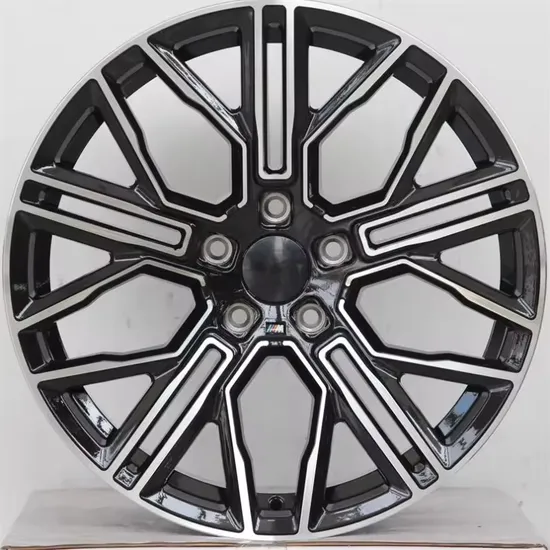 01
WHEEL RIM/HUB
Rueda de aleación de aluminio para automóvil de 19 pulgadas <h3>*120 Venta de posventa
View Specifications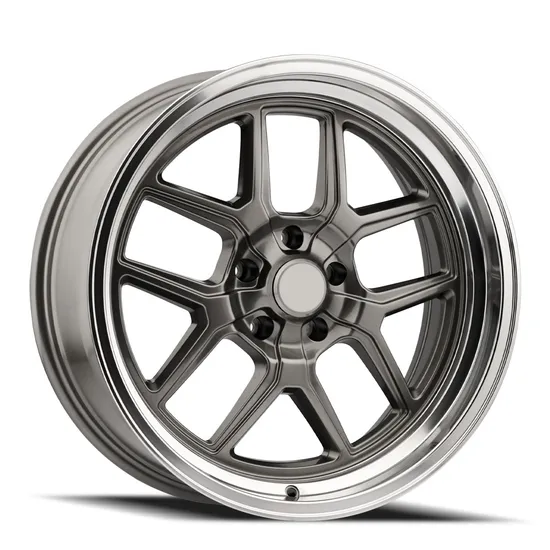 02
WHEEL RIM/HUB
Ruedas de aleación personalizadas de 19 pulgadas 5X120 PCD Et35 para rendimiento
View Specifications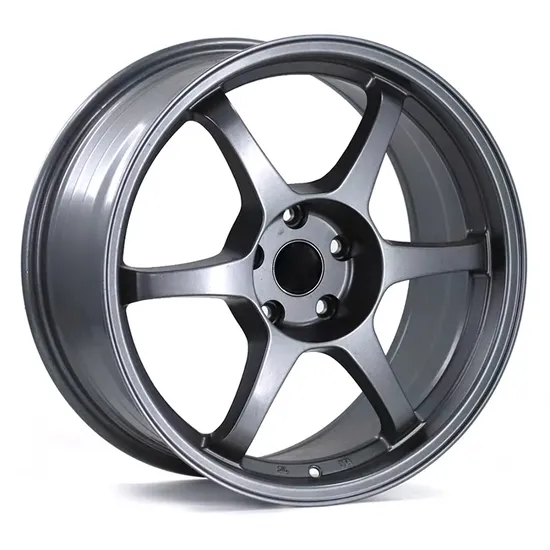 03
WHEEL RIM/HUB
Ruedas de aleación de carreras ligeras Flow Form Rims 15X6.5 4Holes 6Spokes
View Specifications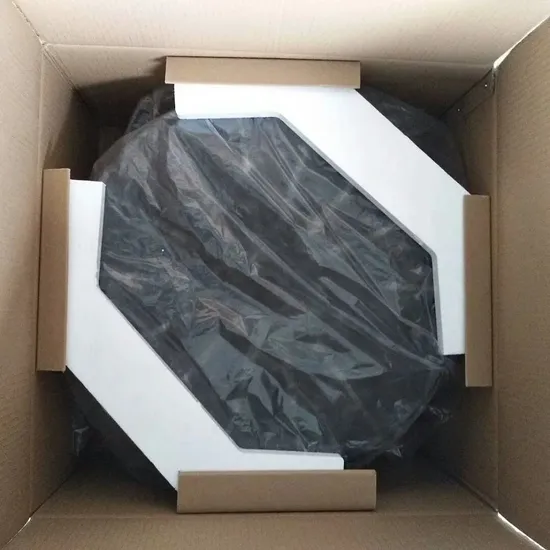 04
WHEEL RIM/HUB
Ruedas de aleación de lujo de 20 22 pulgadas con 5 agujeros 120
View Specifications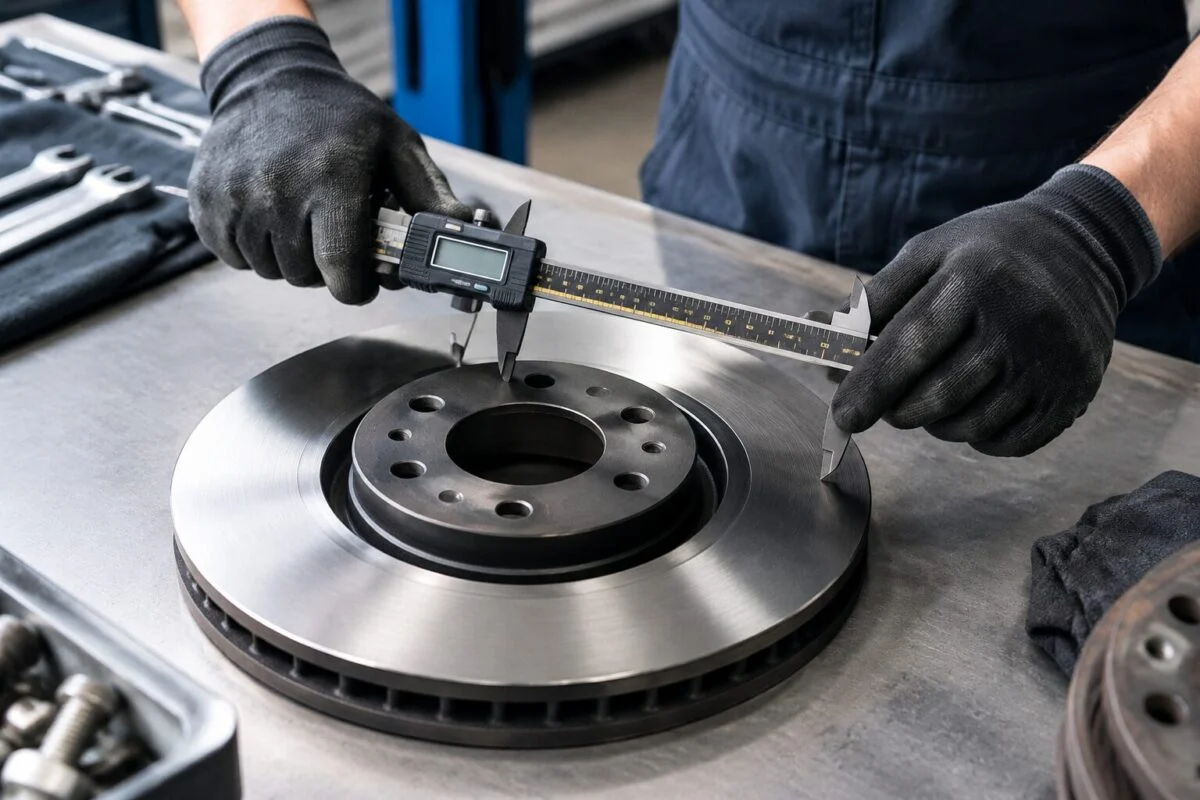
OE Fitment Check
Not sure it fits? Send us the OE number and we'll check it.
Jinan Yoker Auto Parts matches brake discs, drums, radiators, A/C condensers and wheel rims by OE number, vehicle model and year, PCD, ET and CB, so the parts fit before they ship.
- Factory-direct quote within 24 hours
- Free samples before bulk orders
- 10% off first order for new buyers (terms apply)
- Condenser MOQ from 10 PCS
Keep Reading
Related guides on auto parts sourcing
Buying Guide · · 9 min read
Alloy Wheels Price in USA: 2026 Wholesale Supplier Guide
Navigate US alloy wheel wholesale prices by mastering cost drivers beyond rim size. Discover how manufacturing process, DOT certification, and hidden fees like tooling…
Read the Guide
Buying Guide · · 10 min read
Alloy Wheels Price in UK: 2026 Wholesale Supplier Guide
Navigate the 2026 alloy wheels price UK market by understanding how surface finish and certification drive costs more than diameter. Discover why factory-direct sourcing…
Read the Guide
Buying Guide · · 11 min read
Buy SUV Alloy Wheels: China Factory Direct Wholesale Supplier
Buy SUV Alloy Wheels China Factory Direct by verifying PCD and ET offset from original wheel stamps to avoid costly fitment errors. Confirm market-specific…
Read the Guide