
Wheel Rims Wholesale Supplier for Turkey: China Factory Direct OEM
- By author
- Buying Guide
Wheel Rims Wholesale Supplier for Turkey: China Factory Direct OEM
Chrome and mirror-polished wheels look stunning in the showroom, but they fail fastest on Turkish coastal roads.
The right wheel rims supplier for Turkey is not the one quoting the lowest unit price — it is the one that matches surface finish to local salt-spray exposure, holds TÜV or VIA documentation ready for Turkish customs, and offers flexible MOQ that serves both改装 shops and container-load wholesalers from the same production line.
I spent years on the installation floor in Dongguan before moving into export sales. Early on, I shipped a batch of 18-inch mirror-polished alloy wheels to a modification shop in Istanbul. The buyer skipped salt-spray testing, assumed the finish would hold, and mounted them on customer cars. Three months later, winter road de-icing salt had eaten through the clear coat — blistering appeared along every bead edge. The entire container came back. Return freight alone cost several times the original cargo value. That single order taught every person in our team the same lesson: Turkish buyers do not need the cheapest rims; they need rims that survive their climate and clear their border without paperwork delays. Now, whenever a new inquiry arrives, the first question I ask is: what roads do your end users drive, and what channel are you selling through? [NEED_CITE: correlation between coastal humidity, road salt usage, and alloy wheel surface degradation patterns]
Let me walk through the four decisions that separate a reliable wheel rims supplier for Turkey from a risky one.
What Surface Finish Works Best for Turkey’s Climate and Roads?
Turkey’s geography creates two completely different corrosion environments, and picking the wrong finish is the single most expensive mistake importers make.
The Marmara and Aegean coasts — Istanbul, Izmir, Antalya — carry high salinity air year-round, compounded by chloride-based de-icing salts on mountain passes between November and March. Central Anatolia, by contrast, deals with extreme temperature swings and UV exposure but far less chloride contact. A finish that thrives in Konya will peel in Izmir within a single season. [NEED_CITE: regional corrosion environment classification for automotive components in Mediterranean and Continental climate zones]
Here is how common finishes actually perform under those conditions:
| Surface Finish | Coastal Salt-Spray Resistance | Inland UV Resistance | Maintenance Demand | Recommended Region |
|---|---|---|---|---|
| Mirror Polish / Chrome | Vulnerable | Noticeably reduced lifespan | High | Not recommended for coastal |
| Machined Face + Clear Coat | Resistant | Robust | Moderate | Suitable nationwide |
| Gloss Black Paint | Robust | Robust | Low | Ideal for coastal cities |
| Matte / Satin Paint | Robust | Robust | Low | Ideal for coastal cities |
| Hyper Silver / Gunmetal | Resistant | Robust | Low-Moderate | Suitable nationwide |
| Bronze / Custom Color | Resistant | Resistant | Low | Niche modification market |
A wholesale buyer in Ankara once ordered three hundred pieces of chrome-finished 17-inch wheels for a retail chain. Within six months, retail complaints about micro-cracking near the valve stem area reached a level that forced a full recall from shelves. The replacement order switched to gloss black painted wheels with a controlled clear-coat process — complaints dropped to near zero. [NEED_CITE: failure mode distribution of chrome-plated alloy wheels versus painted alloy wheels in chloride-exposed environments]
The takeaway is straightforward: if your customers drive along the coast or through salted mountain routes, recommend painted or machined-face finishes over polished or chrome. A competent wheel rims supplier for Turkey will flag this before you place the order, not after the claim arrives.
Which Certifications Does Turkish Customs Require for Alloy Wheels?
Alloy wheels entering Turkey without recognized international certification face detention at the port — and the storage fees alone can erase any unit-price advantage you negotiated.
Turkey’s import framework for automotive wheels references European technical standards. Customs authorities routinely request test reports and type-approval documents aligned with TÜV (Technischer Überwachungsverein) or VIA (Vehicle Inspection Association) protocols. Shipments arriving with only self-declared inspection sheets, or with certificates that cannot be independently verified, are held for secondary review. [NEED_CITE: Turkish customs documentation requirements for imported automotive wheel assemblies]
Here is what different certification tiers actually mean for your clearance process:
| Certification Level | Document Type | Turkish Customs Acceptance | Risk if Missing |
|---|---|---|---|
| TÜV / VIA Certified | Third-party tested, independently verifiable | Full acceptance | High — detention and re-inspection |
| JWL / DOT Referenced | National standard test reports | Generally accepted with supporting paperwork | Moderate — possible document request |
| Self-Declared / In-House Only | Factory-issued inspection sheet | Frequently challenged | Very high — clearance delay or rejection |
| No Documentation Provided | None | Rejected at border | Certain — cargo held indefinitely |
An importer based in Bursa once sourced a container of 16-inch wheels from a factory that could only provide an in-house test sheet. The cargo sat at Mersin port for weeks while customs requested third-party verification. By the time the buyer arranged retroactive testing through an accredited lab, warehouse charges and demurrage had reached a mid-five-figure amount in local currency — entirely avoidable. The next order went to a wheel rims supplier for Turkey that already held TÜV documentation on file, and clearance took days instead of weeks. [NEED_CITE: cost impact of customs detention on automotive parts importers in Turkey]
When evaluating a potential supplier, ask for the actual certificate number and the issuing body’s name — then verify it on the certifier’s public database before signing a contract. A legitimate wheel rims supplier for Turkey will provide this without hesitation.
How to Match Wheel Specs for the Turkish Aftermarket?
The Turkish aftermarket splits into two distinct demand patterns — fleet replacement and modification — and each requires a completely different spec strategy.
Wholesale distributors serving tire shops and general repair garages across Anatolia need high-volume coverage of mainstream fitments: 15-inch through 17-inch diameters, four-lug and five-lug PCDs covering Renault Clio, Fiat Egea, Hyundai i10/i20, Toyota Corolla, and Volkswagen Polo platforms. These buyers prioritize batch consistency — every wheel in a set of four must match on PCD, center bore, and offset within tight tolerance, or end users will feel vibration at highway speeds. [NEED_CITE: dominant passenger vehicle parc composition in Turkey and corresponding wheel fitment requirements]
Modification shops in Istanbul, Ankara, and Izmir, by contrast, order smaller quantities but demand deeper concave profiles, staggered fitments, and finishes that photograph well for social media. Their spec needs skew toward 18-inch and 19-inch diameters, with aggressive offset ranges and multi-spoke or mesh designs.
| Buyer Type | Typical Diameter Range | PCD Coverage Priority | Finish Preference | Order Pattern |
|---|---|---|---|---|
| Fleet / Wholesale Distributor | 15"–17" | Renault, Fiat, Hyundai, VW platforms | Machined face, gloss black, hyper silver | Full container, recurring restock |
| Modification / Tuning Shop | 18"–19" | BMW, Mercedes, Audi, premium Turkish models | Matte black, bronze, gunmetal, custom | Low-MOQ trial, style rotation |
| E-Commerce Seller | Mixed 16"–19" | Broad multi-brand coverage | Trending finishes, photo-ready | SKU-level testing, private label |
A distributor in Konya once received a batch of 15-inch wheels where the PCD on one production run drifted noticeably from the previous shipment. The wheels physically mounted, but hub-centric fitment was off — customers reported steering shimmy above certain speeds. The distributor faced returns from dozens of retail points and had to absorb reverse logistics across central Turkey. The root cause was not malicious; the factory simply lacked batch-level PCD verification discipline. [NEED_CITE: impact of PCD and center bore tolerance deviation on vehicle vibration and fitment complaints]
A reliable wheel rims supplier for Turkey will provide a spec matrix mapping your target vehicle platforms to available diameters, PCDs, offsets, and center bores — and will demonstrate batch-level measurement records, not just sample-level certificates.
What MOQ and Lead Time Can a China Factory Offer Turkish Buyers?
Rigid MOQ structures kill small buyers, while uncontrolled lead times kill large ones — the right supplier balances both.
The Turkish market contains buyers who need twenty pieces of a niche 19-inch staggered set for a single tuning client, and buyers who need several thousand pieces of 16-inch steel-look alloys for nationwide distribution. A factory that insists on five-hundred-piece minimums across all SKUs will lose the modification shops; a factory that cannot guarantee container-level consistency will lose the wholesalers. [NEED_CITE: MOQ flexibility requirements across automotive aftermarket buyer segments]
Here is how a well-structured wheel rims supplier for Turkey typically segments production:
| Order Type | Typical MOQ Range | Production Lead Time | Best Suited For |
|---|---|---|---|
| Stock Models | Low single-digit dozens | Substantially shorter — ex-warehouse | Modification shops, e-commerce testers |
| Custom Finish / Private Label | Low hundreds | Standard production cycle | Branding-focused distributors |
| Full OEM / Custom Design | Mid hundreds and above | Extended — tooling plus production | Wholesalers, regional exclusives |
An e-commerce seller in Izmir wanted to test a new 18-inch mesh design before committing to volume. The first supplier quoted required a minimum that would have locked up capital in unproven inventory. Switching to a wheel rims supplier for Turkey that offered low-MOQ stock models allowed the seller to list, gather customer feedback, and then place a larger custom-color order with confidence. The total cost of the testing phase was a fraction of what a rigid-MOQ approach would have required.
Lead time matters equally. Turkish buyers operating on seasonal demand peaks — summer road-trip season, pre-winter preparation — cannot afford extended uncertainty. A supplier holding finished-goods inventory for popular SKUs and maintaining raw-material scheduling discipline for custom orders will keep your restock cycle predictable. [NEED_CITE: supply chain lead time expectations for automotive aftermarket importers in emerging markets]
How to Verify a Wheel Rims Supplier Before Placing a Bulk Order?
A factory audit checklist focused on documentation, sample integrity, and packaging compliance will filter out most unreliable suppliers before you risk a container.
Verification is not about trusting a glossy brochure. It is about requesting evidence that holds up under scrutiny. The following checklist reflects what experienced Turkish importers actually examine:
-
Certification Authenticity — Request the certificate number, issuing body, and scope. Verify independently on the certifier’s database. A legitimate wheel rims supplier for Turkey provides this instantly. [NEED_CITE: best practices for verifying third-party quality certifications in international trade]
-
Sample-to-Batch Consistency — Order samples from multiple production dates if possible. Measure PCD, center bore, offset, and runout yourself or through a local inspector. Compare against the batch test records the supplier provides.
-
Surface Finish Durability — Request salt-spray test reports for the specific finish you are ordering. Ask for cross-cut adhesion test results. A supplier confident in their coating process will share these without prompting.
-
Packaging Compliance — Turkish customs and end-user logistics require packaging that prevents rim-to-rim contact damage during ocean transit. Inspect the packaging design: individual wheel bags, foam separators, corner protectors, and outer carton strength. Poor packaging generates claims that no certification can prevent.
-
Customs Documentation Readiness — Confirm the supplier can provide commercial invoice, packing list, bill of lading, certificate of origin, and test certificates in formats aligned with Turkish import requirements. Missing or incorrectly formatted documents trigger delays that cost far more than any per-piece savings.
A modification shop owner in Antalya once switched suppliers after his second container arrived with wheels packed loosely — no separators, no corner protection. Visible edge damage appeared on dozens of pieces, and customers refused installation. The new supplier’s packaging protocol included individual bagging and reinforced carton construction; damage claims dropped to near zero on subsequent shipments. [NEED_CITE: packaging failure modes and damage rates in international alloy wheel shipping]
Conclusion
Choosing a wheel rims supplier for Turkey is a materials, documentation, and logistics decision — not just a pricing decision. Match the surface finish to your buyers’ actual driving environment, confirm TÜV or VIA certification before signing, align specs to the wholesale-versus-modification split in your market, demand MOQ and lead-time flexibility that matches your order pattern, and verify every claim through documentation rather than promises. The suppliers who pass all five tests will earn repeat orders; the ones who only compete on price will cost you far more in returns, delays, and lost customers.
Related Applications
Parts in This Article
Products mentioned above
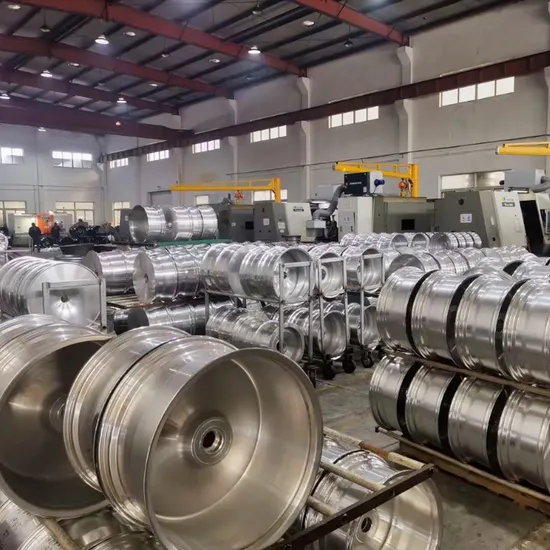 01
WHEEL RIM/HUB
High Strength 5/6 Holes 4X4 Off-Road Black Wheel Rim
View Specifications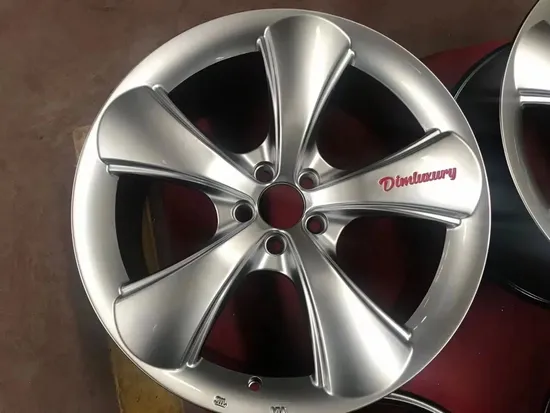 02
WHEEL RIM/HUB
18 19 Inch 5 Holes Black Silver Aluminum Alloy Car Wheel Rim
View Specifications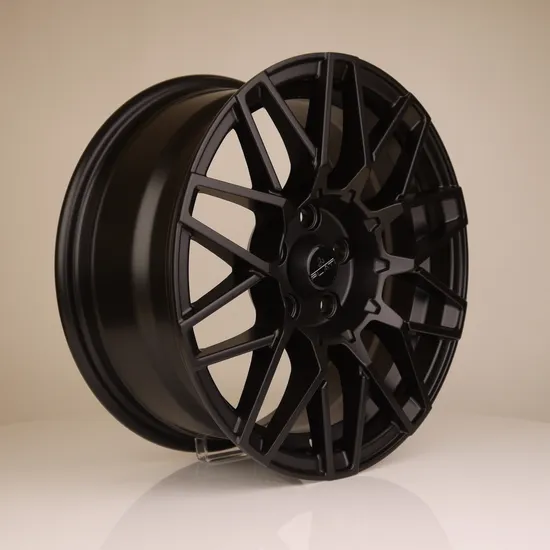 03
WHEEL RIM/HUB
Hot Sell 14-24inch Car Wheel Rim 5-10 Hole PCD 5*112/120/139.7
View Specifications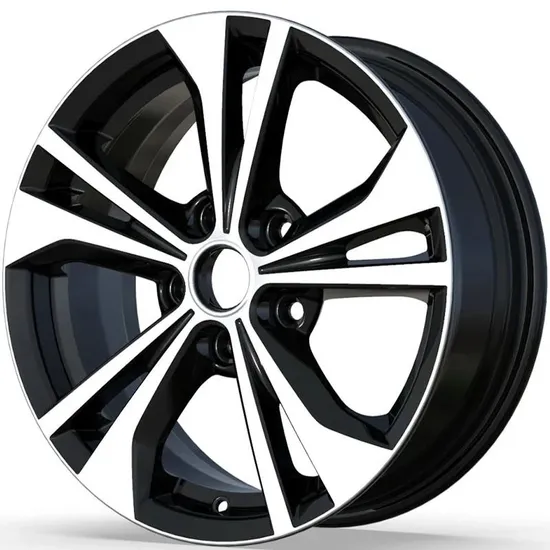 04
WHEEL RIM/HUB
Replica 5 Holes Black Silver Machined Alloy Car Wheel Rim Set
View Specifications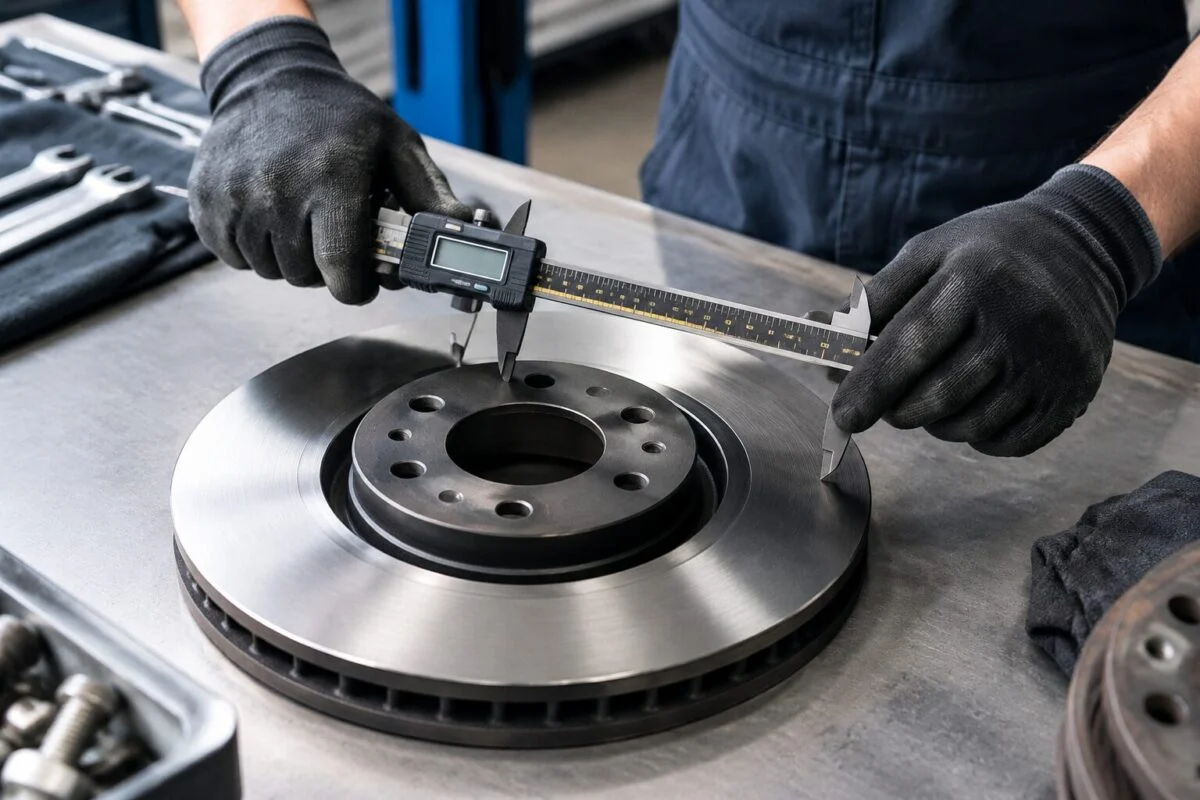
OE Fitment Check
Not sure it fits? Send us the OE number and we'll check it.
Jinan Yoker Auto Parts matches brake discs, drums, radiators, A/C condensers and wheel rims by OE number, vehicle model and year, PCD, ET and CB, so the parts fit before they ship.
- Factory-direct quote within 24 hours
- Free samples before bulk orders
- 10% off first order for new buyers (terms apply)
- Condenser MOQ from 10 PCS
Keep Reading
Related guides on auto parts sourcing
Buying Guide · · 9 min read
Buy 15 Inch Alloy Wheels OEM Custom Manufacturer
Buy 15 inch alloy wheels OEM custom with confidence by mastering PCD, offset, and climate-specific finishes. Avoid costly fitment errors and corrosion failures with…
Read the Guide
Buying Guide · · 9 min read
Alloy Wheels Price in Argentina: 2026 Wholesale Buyer Guide
Alloy Wheels Price in Argentina depends on more than factory quotes, driven by layered costs like import duties and port storage. Discover how rim…
Read the Guide
Buying Guide · · 10 min read
Buy Alloy Wheels Best Price 2026 Wholesale Supplier
Buy Alloy Wheels Best Price 2026 by aligning raw material, process, and volume variables rather than chasing low quotes. Discover how factory-direct sourcing compresses…
Read the Guide