
Wheel Rims Wholesale Supplier Philippines: 12″-24″ OEM Alloy Rims for Sale
- By author
- Buying Guide
Wheel Rims Wholesale Supplier Philippines: 12"-24" OEM Alloy Rims for Sale
Most buyers assume heavier rims are stronger. The real determinant of structural integrity is casting工艺 and alloy composition, not weight—lightweight forged rims actually outlast heavier cast counterparts under sustained road stress.
The true landed cost of wheel rims in the Philippines breaks down into four variables: FOB factory price, certification amortization, ocean freight, and customs clearance. Sourcing directly from a factory-direct wheel rims wholesale supplier in China can reduce per-piece costs substantially compared to purchasing through local distributors or Japanese and European brand channels, provided the buyer selects the correct certification combination and meets the right order quantity threshold.
I still remember a shipment of 18-inch matte black rims heading to a modification shop in Metro Manila. The container sat at the port for over three weeks because the TPMS sensor documentation lacked the specific Philippine customs clearance paperwork. The buyer nearly rejected the entire order. Since then, I check every certification document against Philippine import requirements before a single rim leaves the production line [NEED_CITE: Philippine Bureau of Customs import documentation requirements for automotive alloy wheels].
Let me walk you through exactly what drives the wheel rims price in the Philippines and how to evaluate a wheel rims wholesale supplier against real landed cost, not just the quoted FOB number.
What Cost Components Make Up the Final Wheel Rims Price in the Philippines?
The terminal price a Filipino buyer pays is never just the factory quote—it is the sum of FOB price, certification cost amortization, ocean freight allocation, import duty, and customs clearance fees.
Many first-time importers fixate on the per-piece FOB number a wheel rims wholesale supplier provides, then compare it against local dealer pricing and assume the gap represents pure savings. That assumption is dangerous. The FOB number is only the starting point.
Here is what actually lands in the buyer’s cost structure:
| Cost Component | Typical Allocation | Verification Method |
|---|---|---|
| FOB Factory Price | Base manufacturing cost | Factory audit, ISO certification check |
| Certification Amortization | Per-piece share of VIA/JWL/DOT testing | Request certificate copies with batch numbers |
| Ocean Freight | Per-piece allocation based on container load | Compare FCL vs. LCL rate sheets |
| Import Duty & VAT | Government tariff schedule | Philippine Tariff and Customs Code reference |
| Clearance & Handling | Broker fees, port charges, inspection | Broker quotation with itemized breakdown |
A buyer sourcing from a local Manila dealer pays all of these costs plus the dealer’s margin, warehousing overhead, and inventory risk premium. Sourcing through a wheel rims wholesale supplier operating on a factory-direct model eliminates the middle layer, but only if the buyer understands how to manage the remaining variables [NEED_CITE: cost structure comparison between factory-direct sourcing and local distributor purchasing for automotive aftermarket parts in Southeast Asia].
I once reviewed a quote from a buyer who received a per-piece price from a wheel rims wholesale supplier that appeared twenty percent lower than his local dealer. But when I asked him to factor in the certification cost he would need to amortize for JWL compliance, plus the LCL shipping rate for a partial container, his actual landed cost per piece ended up nearly matching the dealer price. The lesson: always calculate the full landed cost, not just the FOB number.
What Are the FOB Price Ranges for 12-Inch to 24-Inch Wheel Rims?
Larger diameters command higher per-piece FOB prices, but the mainstream 17-inch to 19-inch range benefits from production volume efficiency, delivering the lowest per-unit cost among passenger vehicle sizes.
When a buyer contacts a wheel rims wholesale supplier requesting a quotation, the first variable the factory adjusts is diameter. Material volume increases with size, machining time extends, and packaging dimensions grow. But the relationship between diameter and price is not linear.
| Diameter Range | Typical Application | Relative FOB Position | Production Efficiency |
|---|---|---|---|
| 12"-15" | Compact cars, motorcycles | Noticeably lower | High volume, standardized tooling |
| 16"-19" | Sedans, SUVs, mainstream models | Moderate, optimal range | Peak production volume, lowest per-unit cost |
| 20"-22" | Luxury vehicles, modified cars | Substantially higher | Lower volume, custom finishes |
| 23"-24" | High-end改装, show vehicles | Highest tier | Low batch runs, extensive finishing |
The 17-inch to 19-inch segment dominates Philippine road traffic—Toyota Vios, Honda City, Mitsubishi Mirage, and Nissan Navara all cluster in this range. A wheel rims wholesale supplier running dedicated production lines for these sizes achieves economies of scale that smaller or larger diameters cannot match [NEEDCITE: Southeast Asian automotive aftermarket wheel size distribution by vehicle segment].
A modification shop owner in Cebu once ordered fifty pieces of 18-inch deep concave matte black rims. His per-piece FOB was moderate, but because he needed a staggered fitment with custom offset specifications, the tooling adjustment cost pushed his effective per-piece price above what a full-container buyer would pay for standard 17-inch rims. The takeaway: diameter matters, but specification complexity matters just as much when evaluating the wheel rims price from any wheel rims wholesale supplier.
Surface finish also shifts the FOB position. Machined face and gloss black finishes run at the lower end of the finishing cost spectrum. Chrome plating, hyper silver, and custom color-matched paint add noticeable cost layers. A wheel rims wholesale supplier quoting a chrome finish should be expected to price substantially above a comparable matte black specification.
Which Certifications Are Required to Clear Philippine Customs for Alloy Wheel Rims?
VIA and JWL certifications serve as the industry通行 standard for alloy wheel structural integrity, and missing certification documentation causes customs clearance delays that cost far more in port storage fees than the certification itself.
This is the single most misunderstood cost variable for buyers importing from a wheel rims wholesale supplier into the Philippines. Most buyers focus on the certification cost as a line item in the per-piece price. The real risk is not the certification fee—it is the delay penalty when documentation is incomplete.
The certification landscape for alloy wheels entering the Philippine market includes:
- VIA (Vehicle Inspection Association): Japanese-origin structural testing standard, widely recognized across Asian markets
- JWL (Japanese Light-weight Wheel): Performance certification for passenger vehicle alloy wheels
- DOT (Department of Transportation): US-origin standard, accepted in markets with flexible import documentation requirements
- CCC (China Compulsory Certification): Required for domestic Chinese market, sometimes referenced in export documentation
- TÜV: European technical inspection standard, adds credibility for premium market positioning
A wheel rims wholesale supplier holding the full certification portfolio—ISO, VIA, TÜV, DOT, JWL, and CCC—can provide the complete documentation package a Philippine customs broker needs to process clearance without interruption. When any single document is missing, the container sits. Port storage fees accumulate daily. The buyer’s total cost balloons well beyond what the certification would have cost upfront [NEED_CITE: Philippine Bureau of Customs documentary requirements and port storage fee schedule for delayed automotive parts clearance].
I handled a case where a Southeast Asian distributor received a container of 19-inch rims from a supplier who provided VIA certification but omitted the batch-specific test reports. The customs broker flagged the shipment. The container remained at the port for an extended period. The storage fees and demurrage charges ended up costing several times what the proper documentation would have required. The buyer switched to a wheel rims wholesale supplier who provides full certification documentation with every shipment and has never faced the same issue since.
When evaluating a wheel rims wholesale supplier, request certified copies of all relevant certifications with visible batch numbers and date ranges. A supplier who cannot produce these documents on demand is a clearance risk, regardless of how attractive the FOB price appears.
How Much Does Full Container Load versus Less-than-Container Load Shipping Affect Per-Piece Cost?
A full forty-foot container reduces per-piece freight allocation to a fraction of what a partial container buyer pays, and order quantities above one hundred pieces typically trigger the factory-direct pricing advantage from a wheel rims wholesale supplier.
Freight allocation is the variable that separates profitable import operations from marginal ones. When a buyer orders a full container of 17-inch rims, the ocean freight cost spreads across the maximum number of pieces the container can hold. When a buyer orders a partial container, the same base freight cost spreads across far fewer pieces, driving the per-piece freight allocation sharply upward.
| Shipping Method | Typical Order Size | Per-Piece Freight Allocation | Best Suited For |
|---|---|---|---|
| Full Container Load (FCL) | Container-load quantity | Noticeably reduced | Wholesalers, large distributors |
| Less-than-Container Load (LCL) | Partial container | Substantially higher | Modification shops, testing orders |
| Air Freight | Urgent small batches | Highest tier | Emergency restocking, sample evaluation |
A wholesale distributor in Manila ordering a full container of 17-inch rims for Toyota and Honda fitments will see the per-piece freight cost drop to a small fraction of what a modification shop ordering fifty pieces via LCL would pay. The wheel rims wholesale supplier’s FOB price might be identical for both buyers, but the landed cost tells a completely different story.
I worked with a tire shop owner who started by ordering small batches via LCL to test market response. His per-piece landed cost was high, but the testing phase justified the expense. Once he identified his top-selling sizes and finishes, he consolidated into full container orders. His per-piece freight allocation dropped noticeably, and his margin improved substantially. The transition from LCL to FCL is the single most impactful cost reduction move a growing buyer can make when working with a wheel rims wholesale supplier [NEED_CITE: ocean freight cost comparison between FCL and LCL shipping for automotive aftermarket parts from China to Southeast Asia].
For buyers just starting, ordering stock models with low minimum order quantities allows market testing without committing to full container volumes. Once the best-selling SKUs are identified, consolidating into larger orders unlocks the factory-direct pricing structure that makes importing from a wheel rims wholesale supplier financially compelling.
How Can Buyers Verify the Authenticity of a Wheel Rims Wholesale Supplier’s Quotation?
Request ISO and VIA certification copies, past Philippine customs clearance records, and factory production footage—any quotation unsupported by verifiable documentation should be treated as a risk.
The alloy wheel market has no shortage of suppliers quoting aggressive prices. The question is whether those prices reflect genuine factory-direct manufacturing efficiency or corner-cutting that will surface later as quality failures or clearance problems.
A systematic verification approach includes:
-
Certification Verification: Request scanned copies of ISO, VIA, JWL, DOT, and TÜV certificates. Confirm the certificate holder name matches the supplier’s business registration. Check expiration dates [NEED_CITE: VIA and JWL certification verification procedures for alloy wheel manufacturers].
-
Export History Check: Ask for anonymized copies of past customs clearance documents for shipments to the Philippines. A wheel rims wholesale supplier with established Philippine export experience will have these records readily available.
-
Factory Production Evidence: Request recent production line footage showing the casting, machining, and finishing processes. A legitimate manufacturer has no reason to withhold this.
-
Quality Control Documentation: Ask for batch-level quality inspection reports covering runout specifications, balance tolerance, and finish consistency.
-
Structural Warranty Terms: A supplier confident in product integrity offers multi-year structural warranty coverage. Vague or absent warranty language is a warning sign.
A buyer in Davao once received a quotation from a wheel rims wholesale supplier priced noticeably below market. The price was attractive, but when the buyer requested VIA certification copies, the supplier provided documents with mismatched company names and expired dates. The buyer walked away and sourced from a supplier with full, current, verifiable documentation. The slightly higher per-piece price from the verified supplier cost far less than the potential clearance delays and quality failures the unverified supplier would have delivered.
The wheel rims price in the Philippines is ultimately a function of transparency. A wheel rims wholesale supplier who provides complete documentation, verifiable certifications, and clear warranty terms is offering a real cost advantage. A supplier who cannot substantiate claims with documentation is offering a risk disguised as a bargain.
Conclusion
The wheel rims price in the Philippines is determined by FOB cost, certification amortization, freight allocation, and customs clearance—never by the quoted number alone. Factory-direct sourcing from a verified wheel rims wholesale supplier reduces landed cost substantially compared to local dealer channels, but only when the buyer manages certification documentation, selects appropriate order quantities, and verifies supplier claims through auditable evidence. The savings are real, but they require informed procurement decisions at every stage of the transaction.
Related Applications
Parts in This Article
Products mentioned above
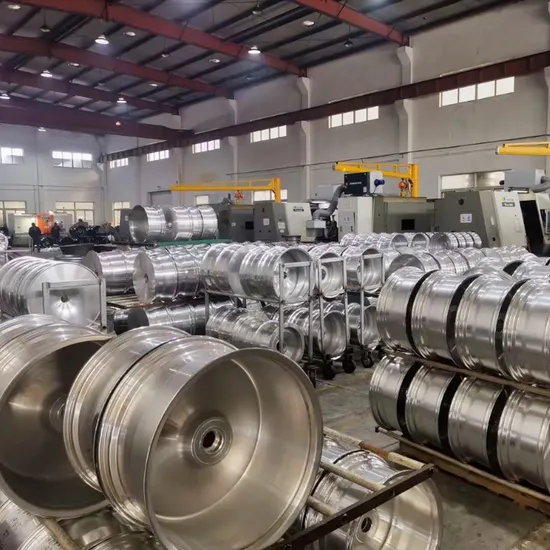 01
WHEEL RIM/HUB
High Strength 5/6 Holes 4X4 Off-Road Black Wheel Rim
View Specifications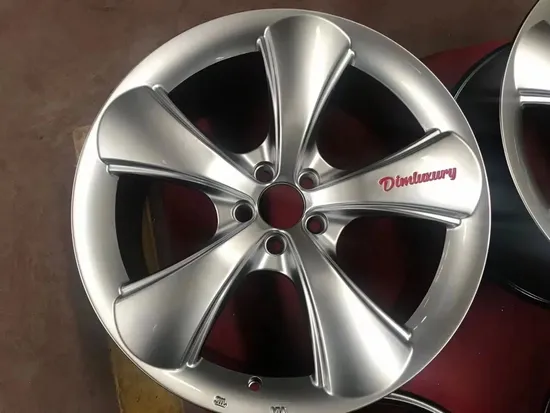 02
WHEEL RIM/HUB
18 19 Inch 5 Holes Black Silver Aluminum Alloy Car Wheel Rim
View Specifications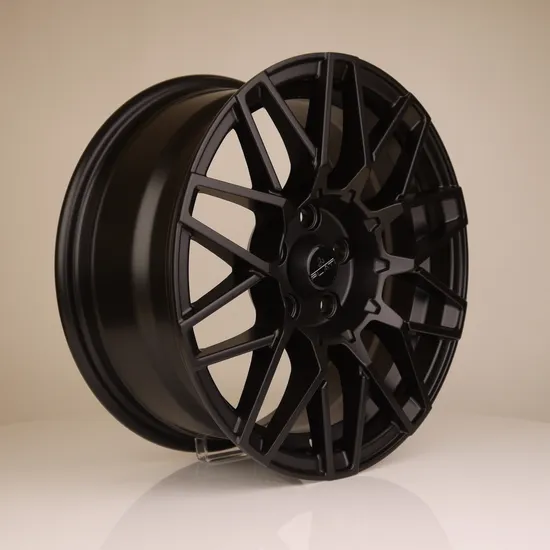 03
WHEEL RIM/HUB
Hot Sell 14-24inch Car Wheel Rim 5-10 Hole PCD 5*112/120/139.7
View Specifications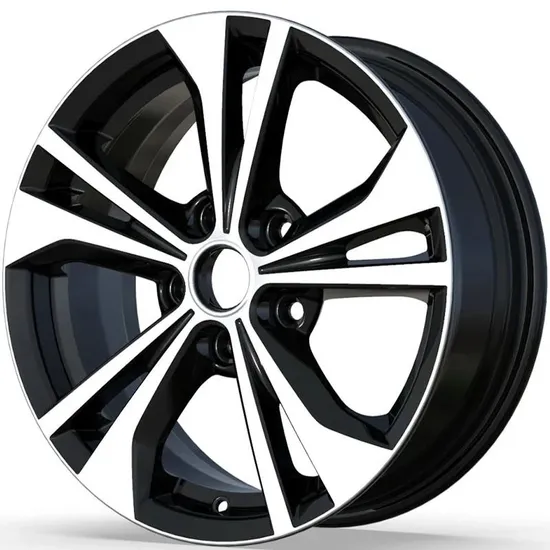 04
WHEEL RIM/HUB
Replica 5 Holes Black Silver Machined Alloy Car Wheel Rim Set
View Specifications
OE Fitment Check
Not sure it fits? Send us the OE number and we'll check it.
Jinan Yoker Auto Parts matches brake discs, drums, radiators, A/C condensers and wheel rims by OE number, vehicle model and year, PCD, ET and CB, so the parts fit before they ship.
- Factory-direct quote within 24 hours
- Free samples before bulk orders
- 10% off first order for new buyers (terms apply)
- Condenser MOQ from 10 PCS
Keep Reading
Related guides on auto parts sourcing
Buying Guide · · 10 min read
Buy Alloy Wheels Best Price 2026 Wholesale Supplier
Buy Alloy Wheels Best Price 2026 by aligning raw material, process, and volume variables rather than chasing low quotes. Discover how factory-direct sourcing compresses…
Read the Guide
Buying Guide · · 7 min read
Buy Alloy Wheels Wholesale Price | Factory Direct OEM Supplier
Stop guessing your real landed cost when you Buy Alloy Wheels Wholesale Price. Discover how manufacturing processes, MOQ tiers, and hidden certification fees shape…
Read the Guide
Buying Guide · · 9 min read
Car Rims Price in Ghana: 2026 Wholesale Buyer Guide
Car rims price in Ghana for 2026 wholesale buyers depends on landed costs, not just FOB quotes. This guide breaks down duty structures, finish…
Read the Guide