
Buy Alloy Wheels Wholesale Price | Factory Direct OEM Supplier
The lowest quote on your spreadsheet is rarely the cheapest wheel you will ever buy.
Wholesale alloy wheel pricing is never a single factory number. It is a layered structure built from manufacturing process, order volume tiers, certification amortization, and export logistics. A realistic wholesale alloy wheel price lands somewhere between basic low-pressure cast units for high-volume commodity markets and fully forged, TÜV-certified pieces for premium aftermarket programs — with mold amortization, surface finish choices, and container loading efficiency shifting the final per-piece cost by significant margins.
I still remember standing on a dock in Hamburg watching a container of forged wheels get rejected at customs. The buyer, a well-known European tuning chain, had picked a supplier purely on unit price. What they did not realize was that the factory had skipped radial fatigue validation to hit that number. The wheels cracked at the rim bead radius during TÜV testing. The entire shipment sat in port for weeks before being returned. The financial damage ran well into six figures — far more than any per-piece savings could ever cover. That kind of lesson shapes how I evaluate every wholesale alloy wheel price that crosses my desk. [NEED_CITE: TÜV radial fatigue testing methodology for alloy wheels]
Understanding what actually moves the wholesale alloy wheel price up or down is the only way to compare quotes without walking into a trap. Let me walk you through the real cost anatomy.
How Does Manufacturing Process Shape the Wholesale Alloy Wheel Price?
The process route you choose is the single largest cost driver — and the gap between processes narrows faster than most buyers expect once volume increases.
When I started in this business, I worked the mold line. You learn quickly that low-pressure casting, flow-forming, and forging are not just different labels — they are entirely different cost structures. Here is how they compare at a qualitative level for buyers evaluating wholesale alloy wheel price:
| Parameter | Low-Pressure Cast | Flow-Formed | Forged |
|---|---|---|---|
| Material Utilization | Standard | Noticeably improved | Substantially extended |
| Weight-to-Strength Ratio | Basic | Noticeably reduced weight | Substantially extended performance |
| Surface Integrity After Machining | Vulnerable to micro-porosity | Resistant | Robust |
| Tooling Investment | Low | Moderate | High |
| Suitable Buyer Profile | High-volume commodity, tire shops | Mid-tier aftermarket, tuning shops | Premium aftermarket, OEM programs |
| Quality Testing Depth | Sample-level | Full batch-level | Full batch-level with structural traceability |
[NEED_CITE: comparative metallurgical properties of cast vs flow-formed vs forged aluminum alloy wheels]
A Southeast Asian modification shop I work with started with flow-formed wheels at small batch quantities. Their initial wholesale alloy wheel price was noticeably higher than cast alternatives, but the weight reduction and structural consistency let them charge a premium to end customers. Within a short period, their per-unit margin improved substantially because they were no longer competing on price alone against cast wheel importers.
The counter-intuitive reality: when a buyer commits to full-container forged orders, the per-piece gap between forged and flow-formed compresses to a surprisingly narrow band. The mold cost gets amortized across thousands of units, and the material waste difference shrinks with optimized billet sizing. I have seen quotes where the forged premium was far less than buyers initially assumed.
How Do MOQ Tiers Change the Per-Piece Wholesale Alloy Wheel Price?
Volume is the lever that moves price more than any negotiation tactic — and the tier structure is more granular than most buyers realize.
Factories do not publish a single wholesale alloy wheel price. They operate on stepped pricing models. Here is a typical tier framework I see across multiple manufacturers:
| Order Volume | Pricing Behavior | Buyer Profile |
|---|---|---|
| Minimal trial quantity | Highest per-piece tier, mold cost fully loaded | Tuning shops testing new styles |
| Mid-volume repeat orders | Noticeably reduced per-piece cost | Regional distributors restocking popular sizes |
| Full-container mixed SKU | Substantially extended discount tiers | Wholesalers serving multiple retail channels |
| Multi-container OEM programs | Deepest tier, mold amortization complete | National distributors, OEM partnerships |
[NEED_CITE: typical MOQ tier pricing models in aluminum wheel manufacturing]
A Middle East wholesaler I advised was buying mixed-size containers — 17-inch, 18-inch, and 20-inch wheels for different vehicle segments. Their first order ran at the trial-tier wholesale alloy wheel price. By the third container, with consistent SKU mix and confirmed repeat patterns, the per-piece cost had dropped noticeably. The factory could plan billet procurement and machine scheduling more efficiently, passing part of that efficiency back to the buyer.
Here is what most buyers miss: the real savings do not come from demanding a lower quote. They come from consolidating sizes, confirming repeat orders early, and giving the factory production predictability. A buyer who commits to a rolling forecast across multiple containers will always see a better wholesale alloy wheel price than one who negotiates hard on a single spot order.
What Hidden Costs Inflate the Real Wholesale Alloy Wheel Price Beyond the Factory Quote?
The FOB number on the invoice is not your landed cost. Certification amortization, export packaging, and port charges routinely add a meaningful layer that first-time buyers fail to budget for.
After the Hamburg rejection I mentioned earlier, I made it a personal rule to break down every quote into its full cost anatomy. Here are the cost layers that sit on top of the base manufacturing price:
- Certification costs: VIA, JWL, TÜV, DOT, and SAE certifications each carry testing fees, factory audit costs, and annual maintenance charges. For a new mold program, these costs get amortized across the order. On small trial orders, the per-piece certification burden is noticeably higher. On full-container OEM runs, it drops to a minimal fraction. [NEED_CITE: international alloy wheel certification standards and testing requirements]
- Export packaging: Palletized packaging, corner protectors, individual poly bags, and anti-scratch interleaving are not optional for wholesale shipments. A poorly packed container arriving with rim curb damage destroys margins. Proper export packaging adds a consistent per-piece cost but prevents claims that cost multiples of the packaging investment.
- Port and documentation charges: Terminal handling, customs declaration, bill of lading fees, and container sealing charges vary by origin port but are always present. Buyers comparing wholesale alloy wheel price quotes from different factories must confirm whether these are included or listed separately.
A Latin American distributor once chose a supplier based purely on the lowest per-piece wheel quote. When the shipment arrived, the packaging was minimal — no corner protectors, thin interleaving. The damage rate during transit was substantial. The claims process and replacement shipping cost several times what proper packaging would have added to the original wholesale alloy wheel price.
How Should Buyers Compare Wholesale Alloy Wheel Quotes Without Falling Into the Low-Price Trap?
The right comparison framework weighs structural testing, certification validity, and production consistency — not just the number at the bottom of the quote.
I have developed a qualitative checklist that I use when evaluating competing wholesale alloy wheel price offers. Here is the framework:
| Evaluation Dimension | Red Flag | Green Flag |
|---|---|---|
| X-ray inspection protocol | Not mentioned or self-reported | Verifiable batch-level X-ray records |
| Air-tightness testing | Sample-level only | Full batch-level helium or water immersion testing |
| Certification status | Self-declared compliance | Valid certificates with traceable test report numbers |
| Surface finish consistency | No color-matching standard | Controlled paint line with salt-spray endurance documentation |
| Structural warranty | None offered | Multi-year structural warranty with clear terms |
[NEED_CITE: quality inspection standards for aftermarket alloy wheels including X-ray and air-tightness testing]
A European tuning chain I supply runs every new mold through an internal impact test before approving production. They do not rely solely on factory certificates. This practice has saved them from at least two potential batch failures that would have reached end customers. Their wholesale alloy wheel price is not the lowest in the market — but their return rate is effectively zero, and their customer retention is exceptionally strong.
When you receive competing quotes, ask specifically: What testing standard was applied? Is the certification current and transferable to your market? What is the structural warranty scope? The answers to these questions reveal far more about the real wholesale alloy wheel price than the unit number alone.
Conclusion
Wholesale alloy wheel price is a composite structure, not a single factory number. Process selection, volume tiers, certification amortization, and logistics costs all shift the real per-piece cost in directions that a simple quote comparison cannot reveal. Buyers who evaluate the full cost anatomy — and prioritize structural testing and certification validity over the lowest headline number — consistently achieve better long-term margins and zero-return supply chains.
Related Applications
Parts in This Article
Products mentioned above
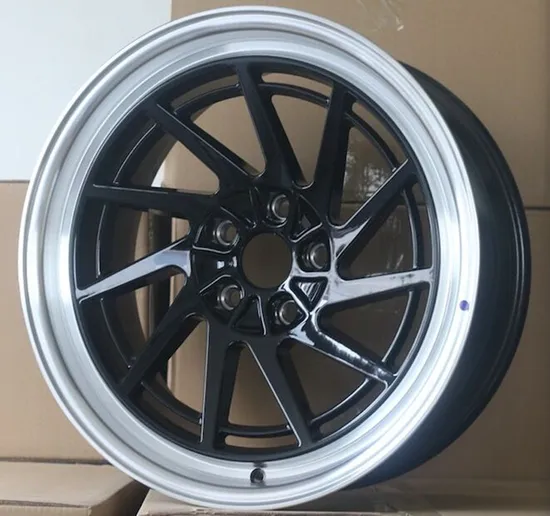 01
WHEEL RIM/HUB
Casting Wheels 13-22 Inch Aluminum Alloy Car Rims Wholesale
View Specifications 02
WHEEL RIM/HUB
19inch Passenger Car Alloy Wheels Aluminium Spoke Rims Wholesale
View Specifications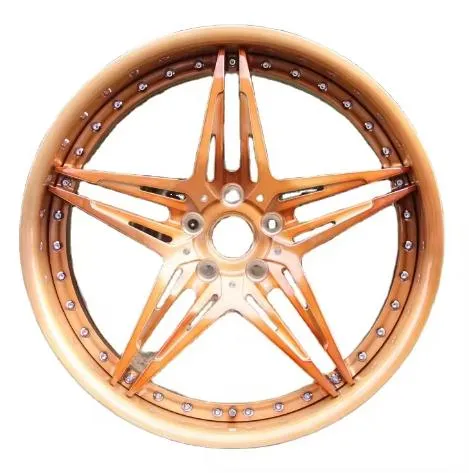 03
WHEEL RIM/HUB
Wholesale Forged Offroad Aluminum Alloy Golden Wheel
View Specifications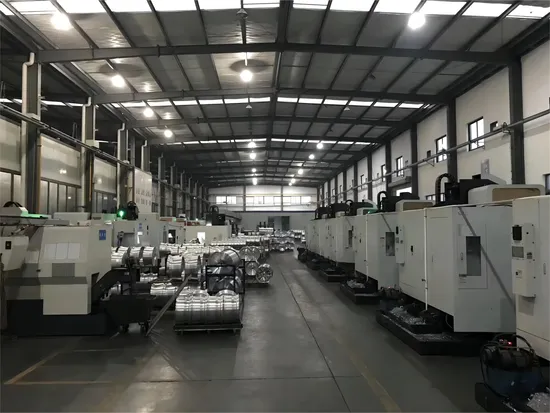 04
WHEEL RIM/HUB
Ouya 5X120 5X112 17-20 Inch Alloy Car Wheel Hub Rim Wholesale
View Specifications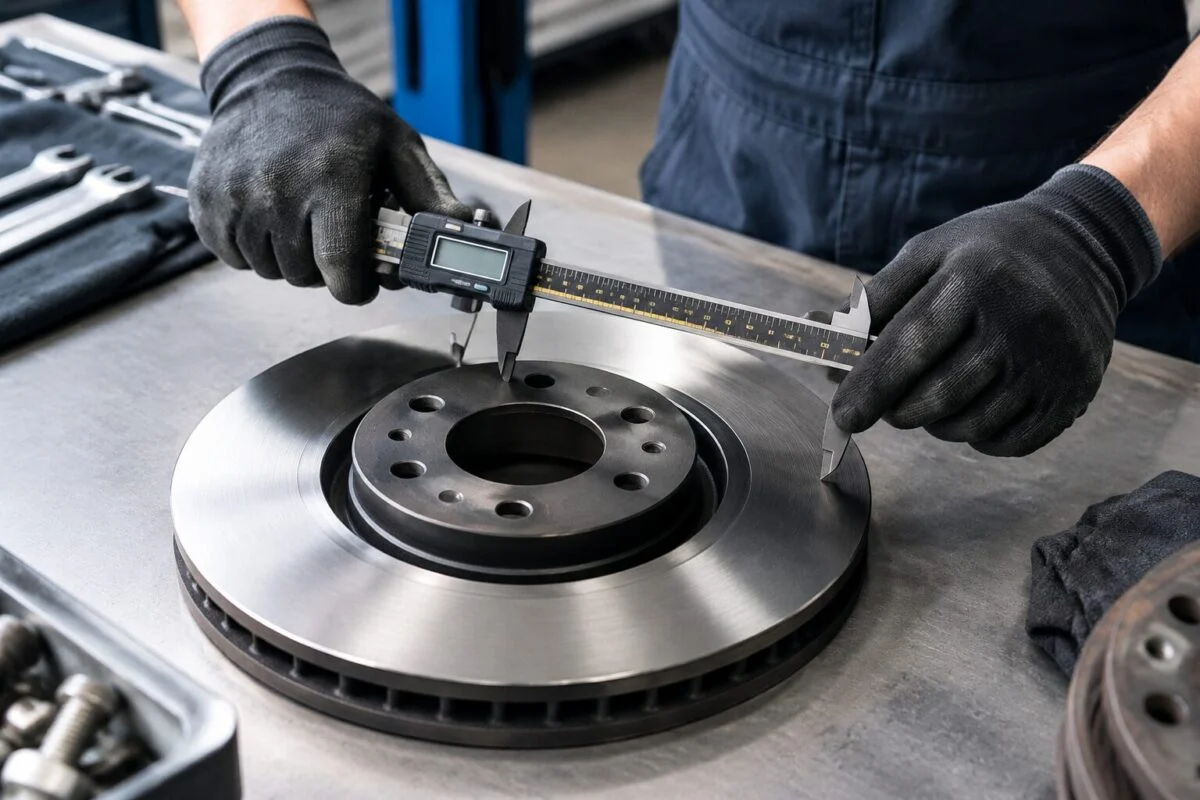
OE Fitment Check
Not sure it fits? Send us the OE number and we'll check it.
Jinan Yoker Auto Parts matches brake discs, drums, radiators, A/C condensers and wheel rims by OE number, vehicle model and year, PCD, ET and CB, so the parts fit before they ship.
- Factory-direct quote within 24 hours
- Free samples before bulk orders
- 10% off first order for new buyers (terms apply)
- Condenser MOQ from 10 PCS
Keep Reading
Related guides on auto parts sourcing
Buying Guide · · 10 min read
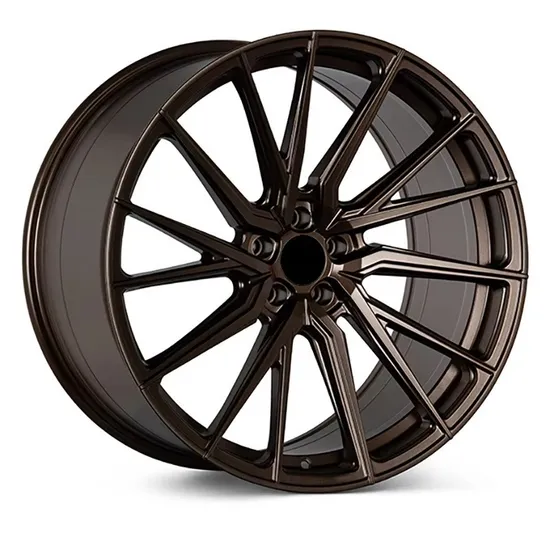
Buy Alloy Wheels Best Price 2026 Wholesale Supplier
Buy Alloy Wheels Best Price 2026 by aligning raw material, process, and volume variables rather than chasing low quotes. Discover how factory-direct sourcing compresses…
Read the Guide
Buying Guide · · 9 min read
Car Rims Price in Ghana: 2026 Wholesale Buyer Guide
Car rims price in Ghana for 2026 wholesale buyers depends on landed costs, not just FOB quotes. This guide breaks down duty structures, finish…
Read the Guide Buying Guide · · 9 min read
Alloy Wheels Price in USA: 2026 Wholesale Supplier Guide
Navigate US alloy wheel wholesale prices by mastering cost drivers beyond rim size. Discover how manufacturing process, DOT certification, and hidden fees like tooling…
Read the Guide