
Car Rims Price in Russia: 2026 Wholesale Supplier Guide
The unit price on the invoice is the smallest part of what you actually pay.
In 2026, a realistic car rims price in Russia breaks down into four layers: FOB cost at the factory, certification compliance paperwork, polar-grade packaging for transit, and Russian customs duties with clearance fees. Sourcing factory-direct from China compresses the middleman margin by a substantial share compared to European brands, but only if the certification chain holds up at the border and the packaging survives sub-zero handling.
I still think about a container that rolled into Vladivostok a few winters back. The rims looked flawless in the pre-shipment photos — machined face, mirror finish, the kind of spec a Moscow aftermarket chain would put straight on the showroom floor. Then the dock surveyor flagged three pallets with hairline cracks radiating from the lug holes. Rushed heat treatment at the source, combined with standard cardboard packaging that turned brittle at minus forty. The client rejected the lot, and I spent the next week on a red-eye sorting claims while another buyer in Novosibirsk was waiting on the same spec sheet. That kind of loss does not show up in a price list. It shows up in margin erosion, delayed restocks, and phone calls you never want to make again. [NEED_CITE: Russian Federal Customs Service tariff classification for alloy wheels under HS 8716]
Once you see the full cost stack, the conversation shifts from "what is the sticker price" to "where does the real money leak."
What Determines Car Rims Price in Russia 2026?
Terminal pricing is a sum of four cost blocks, and the factory invoice is only the first.
The wholesale car rims price in Russia is built from FOB price, certification overhead, logistics engineered for extreme cold, and import duty plus clearance charges. Each block behaves differently: FOB moves with aluminum ingot indices and factory load, certification is a fixed gate that either opens the border or stops the container, packaging scales with season and route, and duty follows published tariff lines that rarely surprise if read correctly.
| Cost Block | Typical Share of Landed Cost | Variability |
|---|---|---|
| FOB factory price | Moderate | Tied to aluminum and order volume |
| Certification compliance | Fixed per SKU family | Binary: compliant or blocked |
| Polar-grade packaging | Seasonal | Noticeably higher in Q4–Q1 |
| Customs duty and clearance | Regulated | Stable, document-sensitive |
A distributor in Yekaterinburg once compared two offers side by side: one from a European brand with a clean unit price, another factory-direct from China with a lower headline number but an incomplete TÜV file. The European offer cleared customs in days. The Chinese offer sat at the border for weeks, accumulating storage fees that wiped out the initial discount. [NEED_CITE: EAEU Common Customs Tariff rates for passenger vehicle alloy wheels]
The lesson is simple. A low car rims price in Russia means nothing if the paperwork cannot walk the container through the terminal.
How Do Certification Requirements Affect Wholesale Pricing?
Certification is not a marketing badge — it is the physical key to the Russian customs gate.
For alloy wheels entering Russia, the relevant framework sits under the EAEU technical regulation system, with GOST-R and EAC marking required for road-use components. International wheel certifications such as JWL, VIA, TÜV, DOT, and CCC signal manufacturing discipline, but they do not automatically substitute for EAC registration. A smart supplier pre-packages the EAC dossier alongside the test reports so the broker has one folder, not five.
| Certification | Primary Market Signal | Russia Border Utility |
|---|---|---|
| JWL / VIA | Japanese industrial standard | Supports technical file, not standalone |
| TÜV | European type approval | Recognized, requires EAC companion |
| DOT | US compliance | Limited direct Russia value |
| CCC | China domestic | Required for China export clearance |
| EAC | EAEU mandatory | Required for Russian import clearance |
A Novosibirsk wholesaler learned this the hard way. He bought a mixed container of 18- and 20-inch flow-formed rims from a factory that could produce excellent JWL paperwork but had never filed EAC for that SKU family. The container arrived, the broker shrugged, and the wheels sat in a bonded warehouse while the factory scrambled to commission a local test lab. By the time the paperwork cleared, the winter selling window had closed. [NEED_CITE: EAEU Technical Regulation TR CU 018 on wheeled vehicle safety certification]
The car rims price in Russia therefore carries a hidden certification premium. Factories that already hold EAC-ready documentation for the Russian market absorb that cost across many clients. Factories that do not pass it on to you in full, per order, in delay.
What Are the Hidden Costs of Shipping Alloy Wheels to Russia?
Standard export packaging is designed for Rotterdam, not for Vladivostok in January.
Alloy wheels are dense, edge-sensitive, and finish-critical. A machined face scratches if the cardboard liner shifts. A chrome lip dents if the pallet stack compresses under vibration. In temperate climates, a corrugated box with foam dividers does the job. On the trans-Siberian rail leg or a far-east sea route in deep winter, the same box becomes a liability. Moisture condenses inside the container during temperature swings, frost forms on the rim lip, and the protective film either freezes to the finish or peels off in shards.
| Packaging Element | Standard Export | Polar-Grade Spec |
|---|---|---|
| Outer carton | Single-wall corrugated | Reinforced multi-wall, moisture-resistant |
| Internal divider | Basic foam | Closed-cell foam with anti-static layer |
| Pallet wrap | Stretch film | Thermal shrink with desiccant packs |
| Corner protection | Cardboard | Hardened composite guards |
| Container lining | None | Thermal blanket and humidity control |
A buyer in Khabarovsk once received a shipment where the outer boxes looked intact but the rims inside had developed white oxidation spots under the film. The cause was not the sea leg — it was the last three days on a rail siding at minus thirty-five, with no desiccant and no thermal blanket. The finish was salvageable only through re-polishing, which turned a premium SKU into a budget one. [NEED_CITE: corrosion mechanism of aluminum alloy wheels under cyclic thermal shock]
When you compare car rims price in Russia across suppliers, ask for the packaging spec sheet before you ask for the price list. The difference between a standard box and a polar-grade pack is a small line item on the invoice and a massive line item on the claim report.
How to Compare Factory-Direct Pricing vs European Brands?
The headline gap is real, but the usable gap depends on what survives customs.
European wheel brands carry decades of motorsport heritage, strong dealer networks, and pricing that reflects all of it. Chinese factory-direct pricing, when sourced from a certified production base, sits substantially below that level — typically in the range of a significant fraction of European wholesale, depending on finish and construction method. The gap widens further on custom finishes and low-volume runs, where European makers either decline the order or attach a premium.
The comparison only works if three conditions hold: the factory holds verifiable international certifications, the EAC documentation travels with the goods, and the packaging matches the Russian climate. Without those, the "cheap" offer becomes expensive.
| Comparison Factor | European Brand | Certified China Factory-Direct |
|---|---|---|
| Base unit price | High | Substantially lower |
| Certification portfolio | Full | Varies — must be verified |
| EAC readiness | Usually handled locally | Must be confirmed pre-shipment |
| MOQ for custom designs | High | Noticeably more flexible |
| Lead time | Moderate to long | Competitive with proper planning |
| Finish customization | Limited on small runs | Broad, including machined and multi-color |
A modification shop in Moscow runs a rolling program of 20-inch staggered fitments for German and Japanese SUVs. They source machined-face and matte-black designs from a factory in Shandong that holds ISO, VIA, TÜV, DOT, and CCC certifications, with EAC documentation pre-registered for the Russian market. The shop orders in batches that would be below the radar of most European makers, gets full custom color matching, and receives the goods in polar-spec packaging. The landed car rims price in Russia lands at a fraction of what the same spec would cost through a European distributor, with a three-year structural warranty backing the batch. [NEED_CITE: Jinan Yoker Auto Parts certification portfolio and production capacity]
The math is not about chasing the cheapest invoice. It is about building a repeatable supply line where the certification chain, the packaging spec, and the customs folder all travel together.
Which Rim Sizes and Styles Sell Best in the Russian Market?
The Russian aftermarket rewards bold fitments, but punishes suppliers who cannot deliver them consistently.
Across Moscow, St. Petersburg, and the Urals, the sweet spot for passenger car and SUV modification sits in the 17- to 20-inch range. Deep concave profiles, multi-spoke designs, and mesh patterns move fastest. Finish preferences skew toward machined face with gloss black pockets, full matte black, and bronze tones for the enthusiast segment, while hyper silver and gunmetal serve the more conservative OEM-plus buyer. Chrome remains a niche but steady request for luxury SUV applications.
The pattern is consistent: buyers want European-style aesthetics at a workable price point, with fitment data that matches popular platforms — Toyota Land Cruiser, Lexus LX, BMW X5 and X6, Mercedes GLE and GLS, and the growing Chinese SUV segment.
| Size Range | Dominant Style | Typical Finish | Vehicle Segment |
|---|---|---|---|
| 17–18 inch | Multi-spoke, mesh | Hyper silver, gunmetal | OEM-plus, compact SUV |
| 19–20 inch | Deep concave, aggressive spoke | Machined face, matte black | Mid-size SUV, sedan |
| 21–22 inch | Monoblock look, thin spoke | Brushed, custom color | Luxury SUV, premium sedan |
| 24 inch | Show-piece, ultra-low profile | Chrome, full custom | Custom, commercial SUV |
A retail chain operating across western Russia tracks SKU velocity by finish. Their data shows machined-face rims in 19- and 20-inch turn faster than any other finish in the premium segment, while matte black dominates the 18-inch truck and SUV category. The chain restocks on a rolling cycle, which means the supplier must hold consistent color matching across batches — a capability that separates serious factories from trading companies. [NEED_CITE: Russian aftermarket wheel style and finish demand trends 2025–2026]
When you evaluate a car rims price in Russia for your own catalog, start with the sizes and finishes that move, then verify that the factory can reproduce the same shade of matte black in batch two that they delivered in batch one.
Conclusion
Price is a number. Landed cost is a system.
The car rims price in Russia in 2026 is the sum of factory cost, certification readiness, climate-rated packaging, and customs duty — and any weak link in that chain turns a good invoice into a bad quarter. Buyers who source factory-direct from a certified, EAC-prepared supplier with polar-grade packaging discipline capture a meaningful cost advantage over European brands, while keeping the supply line stable enough to restock the sizes and finishes the market actually moves.
Related Applications
Parts in This Article
Products mentioned above
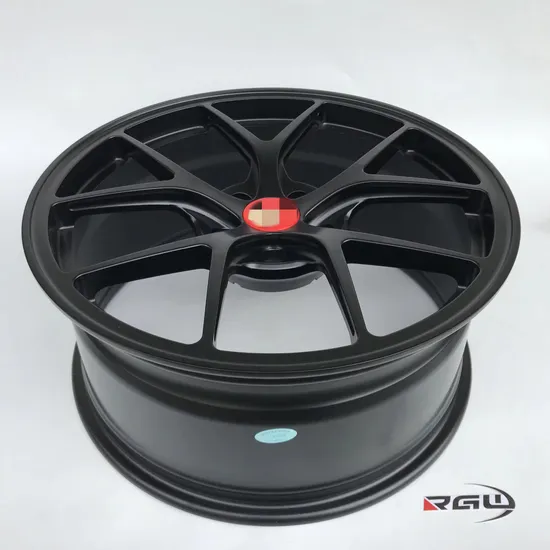 01
WHEEL RIM/HUB
16-20 Inch Racing Car Rims for BMW/Audi A3A4/Civic
View Specifications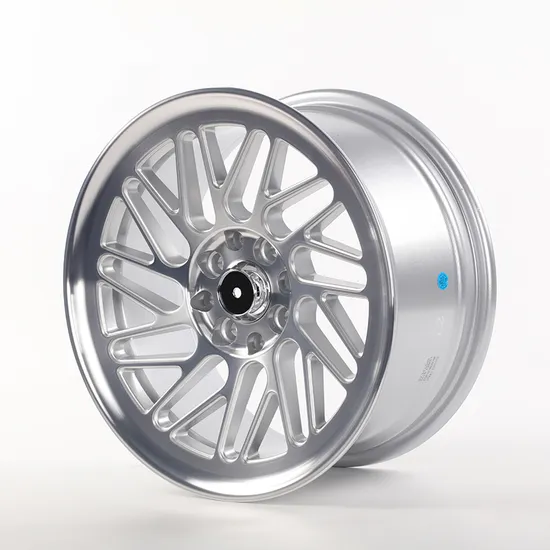 02
WHEEL RIM/HUB
17-22 Inch Forged Aluminum Alloy Car Rims Chrome Wheels China
View Specifications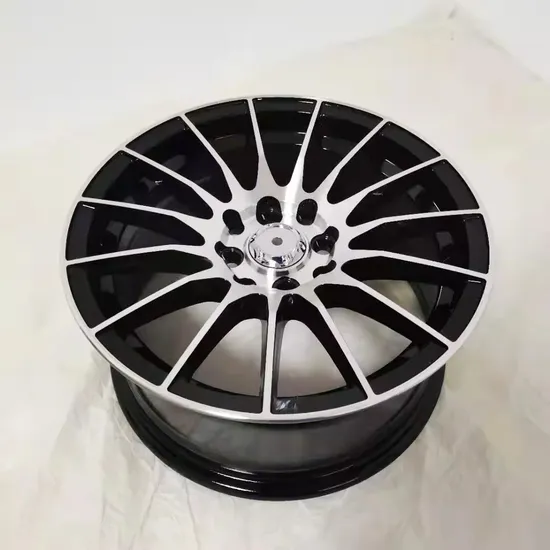 03
WHEEL RIM/HUB
High-Performance 15 Inch 4X100 4lug Aluminum Racing Car Rims
View Specifications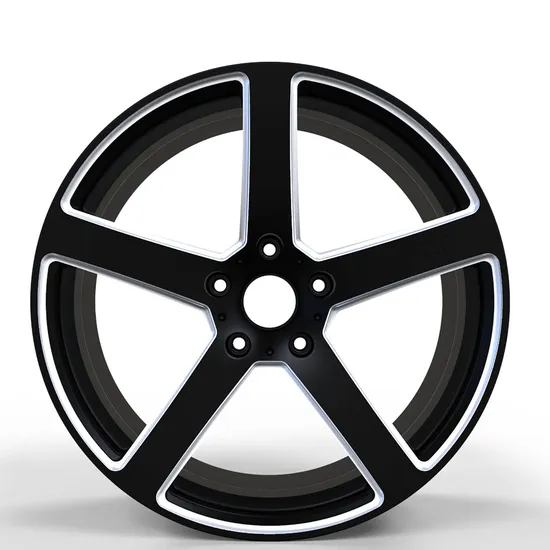 04
WHEEL RIM/HUB
Forged Alloy Wheels 17-21 Inch 5X114.3 Racing Car Rims Hub
View Specifications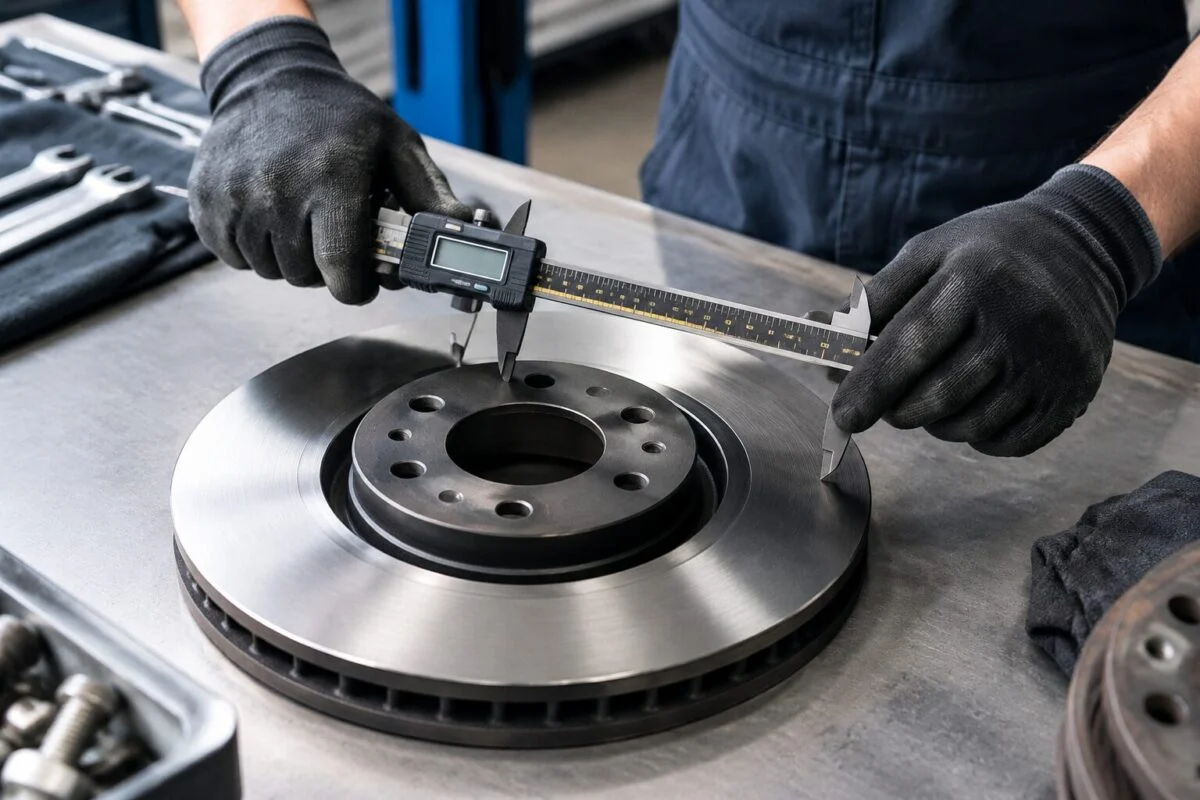
OE Fitment Check
Not sure it fits? Send us the OE number and we'll check it.
Jinan Yoker Auto Parts matches brake discs, drums, radiators, A/C condensers and wheel rims by OE number, vehicle model and year, PCD, ET and CB, so the parts fit before they ship.
- Factory-direct quote within 24 hours
- Free samples before bulk orders
- 10% off first order for new buyers (terms apply)
- Condenser MOQ from 10 PCS
Keep Reading
Related guides on auto parts sourcing
Buying Guide · · 10 min read
Buy 22 Inch Alloy Wheels Factory Direct Price
Unlock transparent 22 inch alloy wheels factory direct price with verified certification and logistics insights. Avoid hidden costs by understanding MOQ impacts, regional compliance…
Read the Guide
Buying Guide · · 10 min read
Alloy Wheel Rims 12-24 Inch Wholesale Supplier Factory Direct Price
Navigate the 2026 car rims price Poland market with clarity on wholesale tiers, manufacturing processes, and hidden import costs. Discover how factory-direct sourcing from…
Read the Guide
Buying Guide · · 7 min read
Buy Alloy Wheels China Wholesale Supplier
Sourcing from a reliable Buy Alloy Wheels China Supplier requires evaluating certifications, MOQ flexibility, and factory transparency beyond unit cost. Avoid liability by verifying…
Read the Guide