
Buy Alloy Wheels China Wholesale Supplier
Low per-piece pricing often masks missing heat treatment or skipped X-ray inspection, turning a seemingly great deal into a container full of liability.
When sourcing from a China-based alloy wheel supplier, your evaluation must go beyond unit cost. Certifications matching your target market, MOQ flexibility tied to actual factory capacity, transparent production lead times, and verifiable quality control checkpoints determine whether your shipment clears customs, survives installation, and keeps your buyers coming back.
I still remember a shipment of machined face rims heading to the Middle East. The buyer was thrilled with the pricing. Weeks later, I got a call—micro-cracks around the lug holes. Our records showed the wheels left the factory within spec. The real culprit? Their local installers cranked an impact wrench to settings far beyond the rated torque. We ended up covering replacement costs and air freight. That single order taught me that selling wheels is never just about the product leaving the factory floor; it is about the entire chain performing correctly. [NEED_CITE: installation torque specification impact on wheel structural integrity per SAE J2530]
Choosing the right alloy wheel supplier in China means looking at the full picture, not just the price tag on a spreadsheet. Let me walk you through what actually matters when you are placing orders across continents.
What Certifications Do You Really Need When Buying Alloy Wheels from China?
Your target market dictates your certification combination. Missing even one document can trigger customs rejection or leave you defenseless during a liability claim.
Different regions enforce different standards, and a responsible alloy wheel supplier in China should be able to produce the exact paperwork your destination country requires. Here is how the major certifications break down:
| Certification | Primary Market | Scope | Verification Level |
|---|---|---|---|
| JWL / VIA | Japan | Passenger car structural integrity | Certified via government-designated labs |
| DOT / SAE | United States | Load rating and dimensional compliance | Self-reported with federal audit capability |
| TÜV | Germany / EU | Full vehicle integration and impact testing | Certified by accredited third-party bodies |
| ISO 9001 | Global | Quality management system | Certified by accredited registrars |
| CCC | China domestic | Mandatory for wheels sold within China | Certified by designated Chinese labs |
| ISO/TS 16949 | Global OEM | Automotive quality management | Certified by IATF-recognized bodies |
A distributor in South America once placed a large order without confirming JWL compatibility. When the end-user tried to register the wheels locally, the entire batch was flagged. The certification was not wrong—it was just the wrong one for that jurisdiction. [NEED_CITE: regional wheel certification requirements comparison by international automotive standards bodies]
Another case involved an African OEM client who required consistent DOT and JWL documentation across multiple annual framework orders. The challenge was not getting the certificates initially—it was ensuring batch-to-batch weight tolerance stayed within spec so the certification remained valid for every single production run. That level of consistency separates a true alloy wheel supplier in China from a middleman who simply forwards paperwork.
How Do MOQ and Lead Time Actually Work with Chinese Wheel Factories?
Stock models typically start at small quantities, while custom designs require higher minimums. A realistic production timeline reflects genuine factory capacity, not trading company guesswork.
Here is what the landscape looks like when you work directly with a manufacturing source:
| Order Type | Typical MOQ Range | Lead Time Range | Customization Depth |
|---|---|---|---|
| Stock / Catalog Models | Small batch friendly | Readily available to short wait | Color and finish options |
| Custom Design / OEM | Moderate batch required | Standard production cycle | Full engineering and branding |
| Annual Framework | Volume-based | Scheduled production slots | Consistent spec lock-in |
A tuning shop in Latin America wanted to test a deep concave design in a custom bronze finish. They needed just enough units to photograph and display at local car meets before committing to a full container. The first order was a small trial batch. Within a few months, repeat orders followed as the design gained traction. The key was that the alloy wheel supplier in China they worked with treated that initial small order with the same quality rigor as a full container. [NEED_CITE: small-batch custom wheel order conversion patterns in aftermarket distribution]
Conversely, I have seen buyers chase ultra-low MOQs from sources that turned out to be trading companies. The price looked attractive, but when a quality issue surfaced, there was no factory floor to trace back to. The "supplier" could not even confirm which production line made the wheels. Ultra-low MOQs from non-factory sources often mean zero traceability.
Factory-Direct vs Trading Company: How to Spot the Difference and Why It Matters
The price gap between a factory and a trading company is substantial, but the real difference lies in quality traceability and technical accountability.
When you evaluate an alloy wheel supplier in China, the structural cost difference between factory-direct and trading company pricing is significant. But the hidden cost is what happens when something goes wrong.
| Factor | Factory-Direct Source | Trading Company |
|---|---|---|
| Price Structure | Base manufacturing cost | Marked up with intermediary margin |
| Quality Traceability | Full batch-level tracking | Sample-level or not provided |
| Technical Documentation | Verifiable and complete | Self-reported or not provided |
| Claim Resolution | Direct factory accountability | Delayed or unresolvable |
| Custom Engineering | In-house capability | Outsourced with limited control |
A European buyer once received a shipment of chrome-finished wheels through a trading intermediary. The chrome started peeling within months. When they filed a claim, the trading company blamed the shipping conditions. The factory never got involved because the trading company had not even shared the buyer’s identity with them. [NEED_CITE: supply chain traceability impact on warranty claim resolution in automotive parts]
How do you tell the difference? Request a live video walkthrough of the production floor. Ask to see the specific casting or forging equipment. A genuine factory will show you the heat treatment ovens, the CNC machining centers, and the X-ray inspection stations. A trading company will stall or offer generic footage. The Ouya brand wheels we produce, for example, come with a multi-year structural warranty backed by our own manufacturing facilities—something a middleman simply cannot guarantee.
What Quality Control Steps Should You Request Before Shipment?
Requesting pre-shipment documentation costs nothing compared to the expense of a rejected container or a product liability lawsuit.
A professional alloy wheel supplier in China should provide a complete technical file with every shipment. Here is what you should expect:
| QC Checkpoint | Purpose | Documentation |
|---|---|---|
| X-ray Inspection | Detect internal porosity and cracks | Full batch X-ray reports |
| Dynamic Balance Check | Ensure vibration-free performance | Balance test certificates |
| Torque Specification Sheet | Prevent installation damage | Technical data sheet per model |
| Dimensional Verification | Confirm fitment accuracy | CMM measurement reports |
| Surface Finish Audit | Validate coating durability | Salt-spray and adhesion test records |
I mentioned the Middle East lug hole cracking incident earlier. After that, we started including detailed torque specification sheets with every shipment—clearly stating the maximum installation torque for each wheel model. We also began providing X-ray reports for custom orders so buyers could verify internal integrity before the wheels ever left the country. [NEED_CITE: pre-shipment quality inspection protocols for cast and forged alloy wheels per ISO standards]
A distributor in Southeast Asia once told me that receiving the complete technical file package with their Ouya wheels made their own quality acceptance process nearly effortless. No guesswork, no back-and-forth emails. The data was there, ready for their records and their customers.
How to Structure Your First Trial Order to Minimize Risk
A well-structured trial order combines small-batch testing, complete technical documentation, and clear after-sales terms to build a foundation for long-term partnership.
Your first order with any alloy wheel supplier in China should be treated as a validation exercise, not a profit center. Here is the approach that works:
- Start with a small batch of stock models to evaluate packaging, finish quality, and shipping durability.
- Add a limited run of your custom design to test the factory’s engineering responsiveness and color-matching accuracy.
- Require the full technical documentation package before the shipment leaves the factory—X-ray reports, balance certificates, torque specs, and material compliance records.
- Agree on clear after-sales terms in writing, covering defect thresholds, replacement procedures, and response timelines.
A US-based e-commerce seller once approached us with exactly this mindset. They ordered a small mix of popular fitments for Honda and Toyota platforms, plus a handful of custom matte black concave wheels for their premium listing. The trial order confirmed our packaging met Amazon fulfillment requirements, the fitment data was accurate, and the finish held up during handling. That single trial order turned into a recurring monthly relationship. [NEED_CITE: trial order structuring best practices for cross-border automotive parts procurement]
The lesson is simple: protect your downside first, then scale. A responsible alloy wheel supplier in China will welcome this approach because it builds trust on both sides.
Conclusion
Certifications, MOQ structure, factory transparency, and pre-shipment quality control form the four pillars of a successful alloy wheel sourcing strategy. Choosing the right partner means evaluating the entire system—not just the unit price. When you verify traceability, demand documentation, and start with a structured trial, you transform a risky transaction into a repeatable supply chain advantage.
Related Applications
Parts in This Article
Products mentioned above
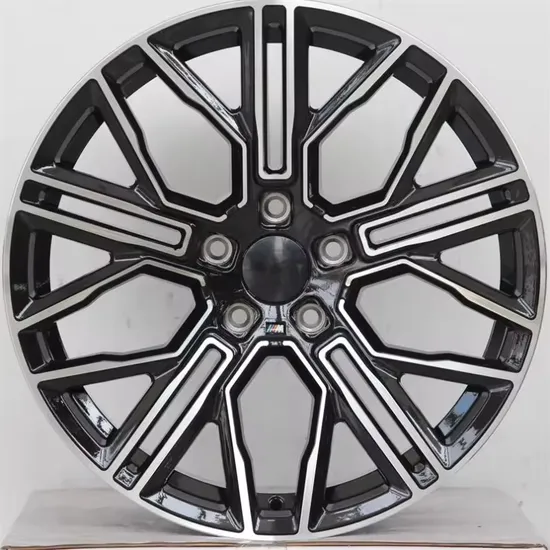 01
WHEEL RIM/HUB
19inch Car Aluminum Alloy Wheel PCD5*120 Aftermarket Sale
View Specifications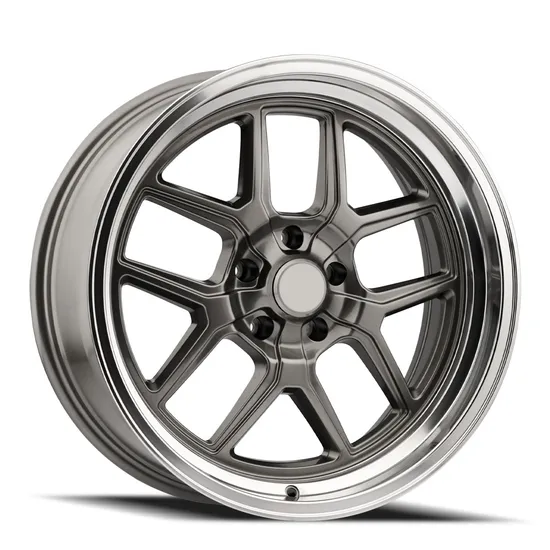 02
WHEEL RIM/HUB
19-Inch 5X120 PCD Et35 Custom Alloy Wheels for Performance
View Specifications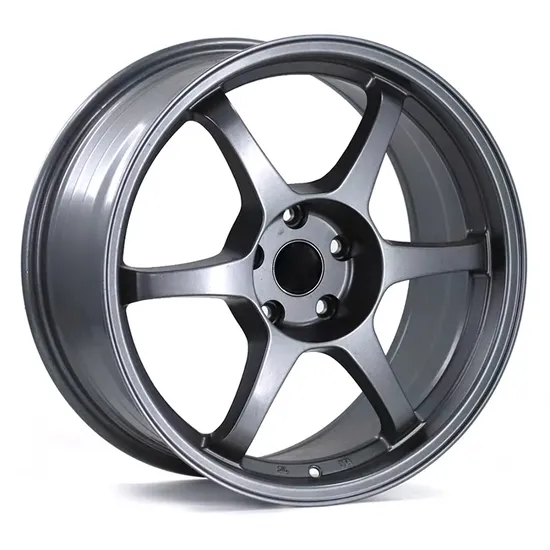 03
WHEEL RIM/HUB
Flow Form Rims 15X6.5 4Holes 6Spokes Lightweight Racing Alloy Wheels
View Specifications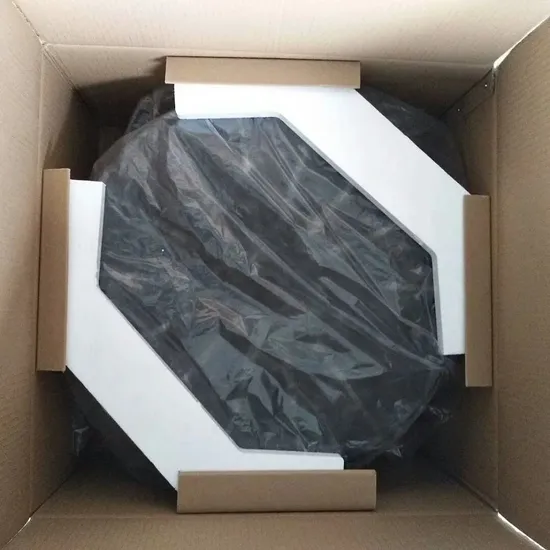 04
WHEEL RIM/HUB
20 22 Inch 5 Hole 120 Luxury Car Alloy Wheels Rim
View Specifications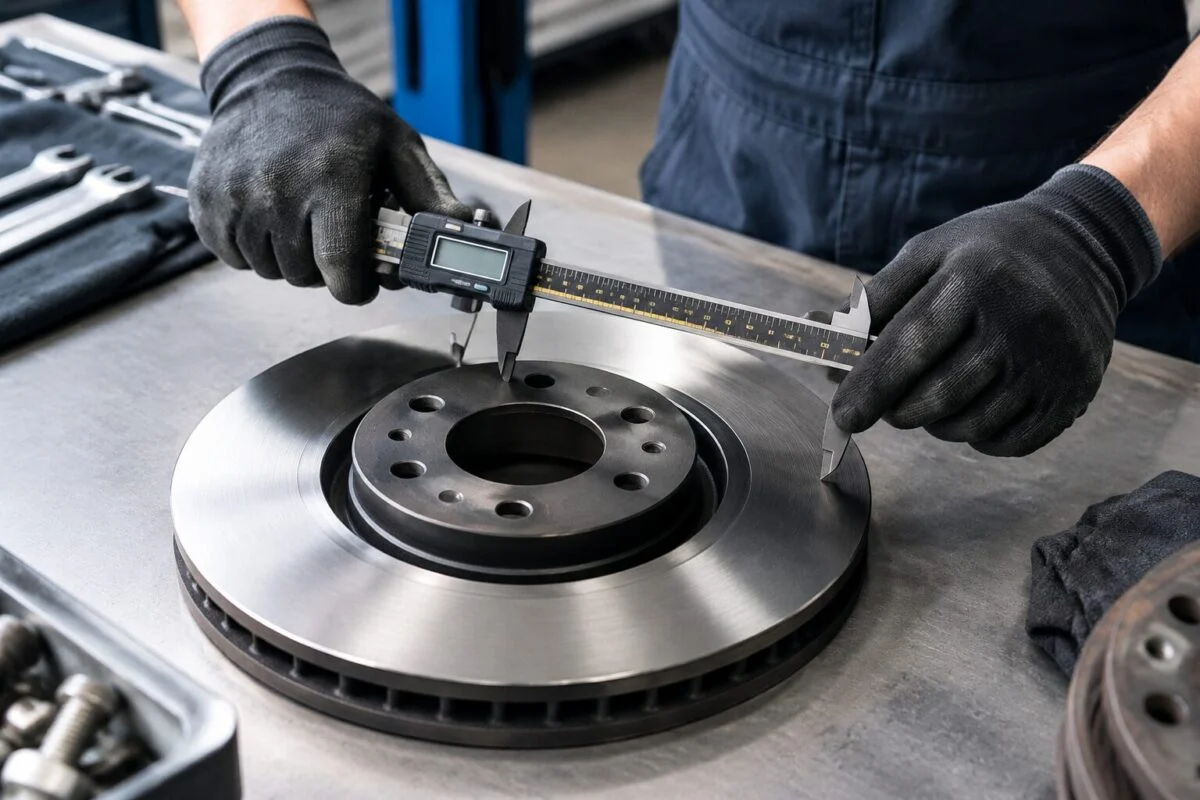
OE Fitment Check
Not sure it fits? Send us the OE number and we'll check it.
Jinan Yoker Auto Parts matches brake discs, drums, radiators, A/C condensers and wheel rims by OE number, vehicle model and year, PCD, ET and CB, so the parts fit before they ship.
- Factory-direct quote within 24 hours
- Free samples before bulk orders
- 10% off first order for new buyers (terms apply)
- Condenser MOQ from 10 PCS
Keep Reading
Related guides on auto parts sourcing
Buying Guide · · 10 min read
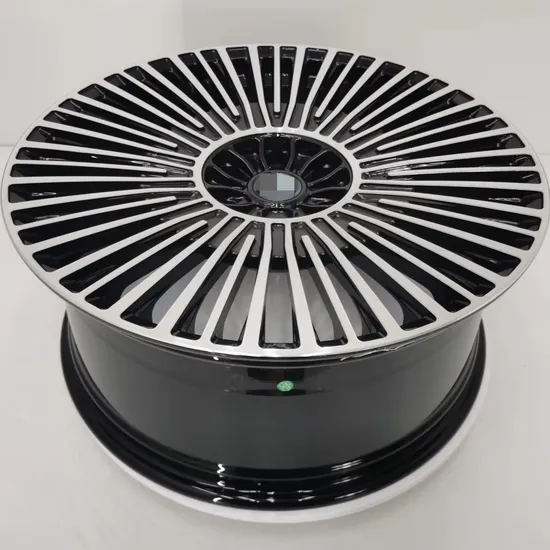
Buy 22 Inch Alloy Wheels Factory Direct Price
Unlock transparent 22 inch alloy wheels factory direct price with verified certification and logistics insights. Avoid hidden costs by understanding MOQ impacts, regional compliance…
Read the Guide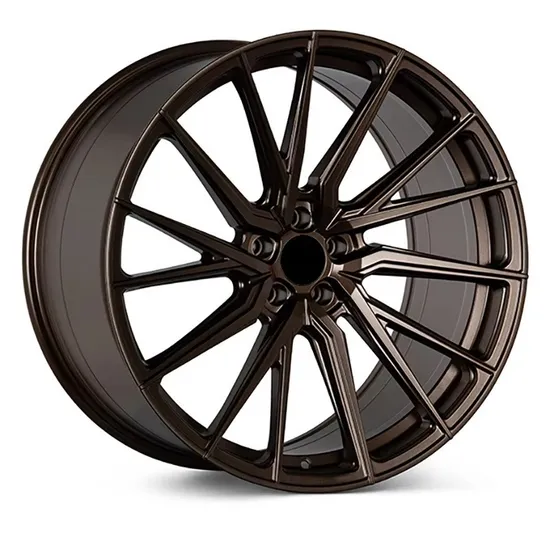
Buying Guide · · 10 min read
Alloy Wheel Rims 12-24 Inch Wholesale Supplier Factory Direct Price
Navigate the 2026 car rims price Poland market with clarity on wholesale tiers, manufacturing processes, and hidden import costs. Discover how factory-direct sourcing from…
Read the Guide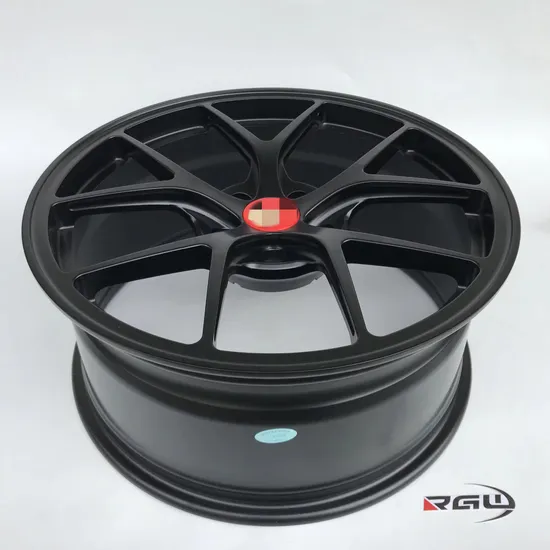
Buying Guide · · 9 min read
Car Rims Price in Russia: 2026 Wholesale Supplier Guide
Car Rims Price in Russia depends on four cost layers beyond the factory invoice. Sourcing factory-direct from China compresses middleman margins by a substantial…
Read the Guide