
Buy 17 Inch Alloy Wheels Wholesale Supplier
Price is rarely the real differentiator when sourcing 17 inch alloy wheels from China — factory verification, specification accuracy, and moisture-controlled packaging decide whether your cargo arrives sellable or scrap.
To buy 17 inch alloy wheels from a reliable China supplier, you must confirm exact fitment parameters (PCD, offset, center bore, width), verify ISO/VIA/TÜV/DOT certifications against actual production capacity, enforce salt-spray and dynamic balance testing, and mandate vacuum-sealed moisture protection for ocean freight — not just compare unit prices.
I still think about that container we shipped to Valparaíso years ago. A full load of 17 inch gloss silver wheels, machined face, packed the way we always had. When the receiver opened the doors, nearly a third of the rims had blistered clear coat along the lip edges. The port’s humidity logs later showed sustained high moisture levels during the transit window. We had skipped the extra desiccant and vacuum wrap because the order was standard spec. That single mistake cost us a mid-five-figure replacement run and months of rebuilding trust with that buyer. Since then, every bright-finished wheel heading to any high-humidity corridor gets sealed with industrial desiccant packs inside individual poly bags, then vacuum-shrink-wrapped before crating. If you are evaluating a 17 inch alloy wheels China supplier right now, ask them — in writing — what their moisture protection protocol looks like for your destination port.
Getting the commercial relationship right starts with getting the technical conversation right. Let me walk you through what actually matters.
What Specifications Should You Confirm Before Buying 17 Inch Alloy Wheels?
Mismatched fitment data is the single largest cause of return claims in the aftermarket wheel trade — and it is almost always preventable with a structured confirmation checklist before production begins.
When buyers reach out to a 17 inch alloy wheels China supplier, they often send a vehicle list and assume the factory will "know" the specs. In reality, 17 inch is just a diameter. The critical variables — bolt pattern, offset, center bore, and rim width — vary dramatically even within the same vehicle brand across model years and trim levels. A 17 inch wheel for a late-model Toyota Hilux carries a completely different PCD and offset than one for a Honda Civic of the same diameter. Ordering without locking these down leads to wheels that physically mount but rub against calipers, or simply will not sit on the hub.
| Specification | What It Controls | Risk if Wrong | Verification Method |
|---|---|---|---|
| PCD (Bolt Pattern) | Lug hole circle diameter | Wheel will not mount on hub | Measure existing wheel or cross-reference OEM catalog [NEED_CITE: PCD fitment database per vehicle make and year] |
| Offset (ET) | Hub mounting surface position relative to wheel centerline | Rubbing, altered scrub radius, bearing stress | Confirm with suspension geometry data or test-fit sample |
| Center Bore | Hub-centric seating diameter | Vibration at speed if not hub-centric | Match to vehicle hub diameter; use rings if universal bore |
| Rim Width | Tire mounting width range | Tire bead seating failure, fender contact | Cross-check with tire manufacturer fitment guide |
| Load Rating | Maximum weight per wheel | Structural failure under load | Must meet or exceed vehicle GAWR requirement [NEED_CITE: load rating standards per SAE J2530 or regional equivalent] |
A modification shop in the Middle East once ordered a batch of deep-concave 17 inch mesh wheels for a popular SUV platform. They provided the PCD correctly but did not specify offset. The factory defaulted to a standard passenger-car offset. When the wheels arrived, the concave profile pushed the mounting pad too far inward — the wheels sat recessed inside the fender wells, completely ruining the aggressive stance the shop’s customers expected. The entire batch had to be re-machined at a cost that wiped out the margin on the order.
Before you place any order, request a fitment confirmation sheet from your 17 inch alloy wheels China supplier that lists every parameter above, tied to specific vehicle applications. If the supplier cannot produce this document from their own engineering data, that is a serious red flag about their technical capability.
How to Verify a China Supplier’s Qualifications and Certifications?
A certificate on a website means nothing unless you can trace it to the actual production line and confirm it covers the product category you are buying.
The wheel industry has several internationally recognized certification bodies — VIA for the Japanese market, TÜV for European compliance, DOT for US import requirements, and JWL as a Japanese industrial standard. Many buyers assume that if a factory’s homepage displays these logos, they are cleared to ship. The reality is more layered. Certifications are product-line-specific and batch-auditable. A factory may hold TÜV approval for a particular 18 inch design but not for a 17 inch variant of the same family. Or they may have ISO 9001 for their management system but lack the product-level testing reports your target market requires at customs [NEED_CITE: certification scope verification procedures per international wheel trade compliance guidelines].
When I audit a potential sourcing partner, I ask for three things in sequence:
First, the original certificate documents — not scanned copies from a brochure, but the actual test reports with report numbers that can be verified directly with the issuing body. TÜV, for example, maintains an online database where report numbers can be cross-checked. If the supplier hesitates or offers only "our own inspection certificates," walk away.
Second, a walkthrough of their testing equipment. A legitimate wheel manufacturer will have an in-house dynamic balance machine, a radial runout tester, and access to salt-spray chambers — either on-site or through a certified third-party lab nearby. Ask to see the most recent calibration records for this equipment.
Third, production capacity data matched against their stated lead times. A factory claiming to produce millions of units annually should be able to show shift patterns, casting or forging line counts, and machining center quantities that logically support that output. If the numbers do not add up, the stated capacity is likely inflated — and your order may end up subcontracted to an unverified workshop.
One wholesale buyer from Southeast Asia shared with me that they switched suppliers after discovering the previous factory’s VIA certificate had expired two years prior. The supplier had simply never updated their website. The buyer’s customs broker caught the lapse during a routine document check, and the entire container was held at port for weeks.
A trustworthy 17 inch alloy wheels China supplier will proactively offer current, verifiable certification documentation before you even ask. They understand that in this trade, paperwork is product.
What Quality Control Steps Ensure Wheel Durability for Long-Distance Shipping?
Salt-spray endurance, dynamic balance precision, and moisture-sealed packaging are the three non-negotiable quality gates — skip any one and ocean freight will expose the weakness.
Wheels are not like most auto parts. They sit exposed to road salt, brake dust, UV radiation, and temperature swings for years. The finish is not just cosmetic — it is the primary corrosion barrier. If the coating system fails, the underlying aluminum oxidizes rapidly, especially in coastal or high-humidity markets.
The standard quality sequence a serious factory follows includes:
- Salt-spray testing on every finish batch. Gloss silver, machined face, and chrome finishes demand the longest endurance because any pinhole or edge thinning becomes visible quickly. Matte black and gunmetal are more forgiving but still require validated coating thickness [NEED_CITE: salt-spray test duration standards per ASTM B117 for automotive wheel finishes].
- Dynamic balance and radial runout inspection. Even a few grams of imbalance at the rim lip translates to steering vibration at highway speeds. Every wheel should be spun on a balance machine and marked for correction weight placement if needed.
- X-ray or dye penetrant inspection for cast wheels, targeting the spoke-to-rim junction and the lug hole areas — the highest stress concentration points.
- Moisture-controlled packaging for export. This is where many otherwise competent factories fail. Individual wheel bags with desiccant, followed by vacuum shrink-wrap on the full pallet or crate, are essential for any destination with tropical or maritime climate exposure during transit.
I mentioned the Valparaíso incident earlier. The lesson we internalized was that packaging is not a cost center — it is an insurance policy. The desiccant and vacuum film add a small amount per wheel, but the alternative is a claim that can run into tens of thousands of dollars in replacement product, return freight, and lost client confidence.
When you are discussing terms with a 17 inch alloy wheels China supplier, specifically ask: what is your standard export packing for bright-finished wheels going to Latin America or Southeast Asia? If the answer is "standard carton with EPE foam" and nothing more, you need to negotiate additional moisture protection — or find a supplier who already builds it into their process.
What Are the Typical MOQ, Lead Time, and Payment Terms?
Minimum order quantities and lead times vary sharply between stock programs and custom programs — understanding this split before you negotiate saves both parties significant time.
For a 17 inch alloy wheels China supplier operating at scale, the commercial framework generally breaks down into two tracks:
Stock models — popular fitments and finishes that the factory produces in recurring batches. These typically carry a low MOQ, sometimes as few as a few dozen pieces per SKU. Lead times are short because the wheels are either in finished inventory or in scheduled production rotation. This track suits e-commerce sellers testing new listings, tire shops restopping fast-moving sizes, and modification shops fulfilling one-off customer requests.
Custom programs — specific designs, colors, or fitments not in the factory’s standard catalog. MOQs here are higher because the factory must set up new painting lines, create custom masking for machined faces, or adjust CNC programs for non-standard spoke profiles. Lead times extend to account for sampling, approval, and production scheduling. Payment terms for custom orders typically involve a deposit to cover material procurement, with the balance settled before shipment or against copy of bill of lading.
| Program Type | Typical MOQ Range | Lead Time Range | Payment Structure |
|---|---|---|---|
| Stock Models | Low MOQ per SKU | Short lead time, ex-warehouse or quick production slot | Flexible, often full payment before dispatch |
| Custom Designs | Higher MOQ per SKU | Extended lead time including sampling and approval | Deposit required, balance before shipment or against B/L copy |
A tuning shop in the US once approached our facility wanting a specific deep-concave 17 inch design in a custom bronze finish that no Chinese factory currently listed in their catalog. They needed a small initial run to test market response before committing to volume. We structured the order at the lower custom MOQ tier, produced a pre-production sample for their approval, and had the full batch ready within a standard custom lead time window. That initial test order turned into a recurring quarterly program once their customer base responded.
The key is transparency. A reliable 17 inch alloy wheels China supplier will clearly separate stock and custom terms upfront, provide written lead time estimates tied to order confirmation dates, and explain what drives the MOQ on custom work — whether it is paint line minimum batch sizes, CNC setup time, or packaging customization costs.
How to Choose the Right Surface Finish for Your Market?
Surface finish selection is a market intelligence decision, not just an aesthetic one — climate, local style preferences, and maintenance expectations all factor in.
The most common finishes in the global 17 inch alloy wheel market include gloss silver (machined face with clear coat), matte black, gunmetal grey, hyper silver, bronze, and full chrome. Each has distinct durability characteristics and market appeal.
Gloss silver and machined face remain the volume leaders globally. They are versatile, match most vehicle colors, and convey a clean OEM-plus look. However, the clear coat on these finishes is the primary defense against corrosion. In coastal markets — think the Gulf region, Southeast Asia, or the eastern seaboard of South America — the clear coat must be validated for extended salt-spray endurance. A thin or poorly cured clear will develop micro-cracks within a single wet season.
Matte black has surged in popularity with the modification and off-road segments. It hides brake dust well and projects an aggressive aesthetic. The trade-off is that matte surfaces show water spotting and oil residue more readily than gloss, and some budget matte coatings lack the UV stability of their gloss counterparts.
Gunmetal and hyper silver occupy a middle ground — they offer visual depth without the maintenance sensitivity of pure gloss or the starkness of matte. Bronze remains a niche favorite in the JDM and tuning communities.
Full chrome is the most demanding finish to produce and maintain. It requires flawless substrate preparation because any imperfection in the underlying aluminum will telegraph through the chrome layer. Chrome wheels also demand careful packaging — the finish is susceptible to moisture staining if trapped in a humid environment during shipping.
When advising buyers, I always ask two questions before recommending a finish: what is the dominant climate in your end market, and what is the typical customer’s willingness to maintain their wheels? A buyer serving the Scandinavian market can specify different coating priorities than one selling into the Persian Gulf or the Caribbean.
Your 17 inch alloy wheels China supplier should be able to provide finish samples with corresponding salt-spray test data so you can make this decision on evidence, not guesswork.
Conclusion
Sourcing 17 inch alloy wheels from China successfully depends on disciplined specification confirmation, verifiable certification, rigorous quality testing, and climate-appropriate packaging — not on finding the lowest quoted price. Treat every parameter as a line item in your risk management plan, and your supplier relationship will produce consistent, sellable product shipment after shipment.
Related Applications
Parts in This Article
Products mentioned above
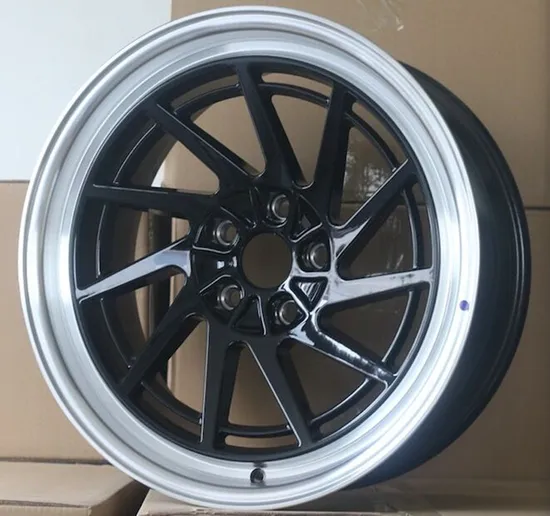 01
WHEEL RIM/HUB
Casting Wheels 13-22 Inch Aluminum Alloy Car Rims Wholesale
View Specifications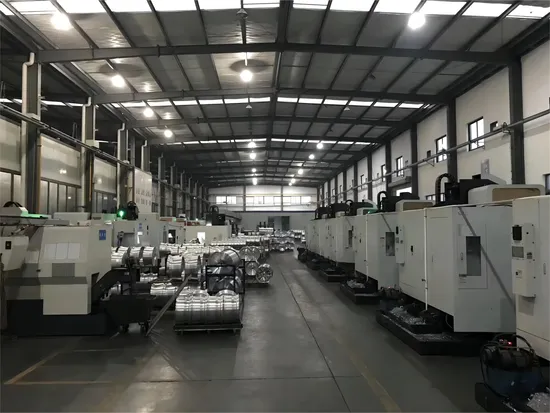 02
WHEEL RIM/HUB
Ouya 5X120 5X112 17-20 Inch Alloy Car Wheel Hub Rim Wholesale
View Specifications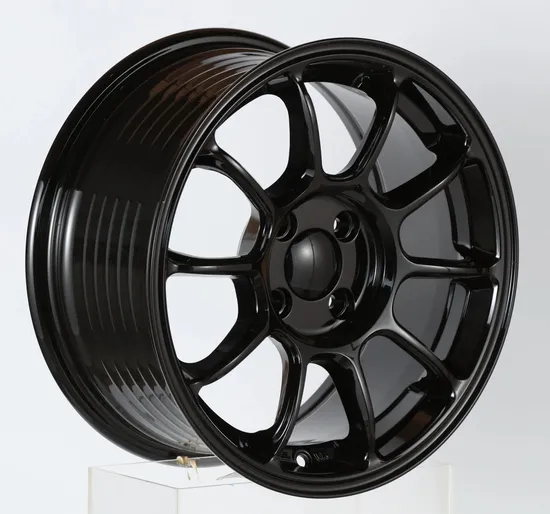 03
WHEEL RIM/HUB
15 Inch Aluminum Sport Car Alloy Wheel Rim Mag Wholesale
View Specifications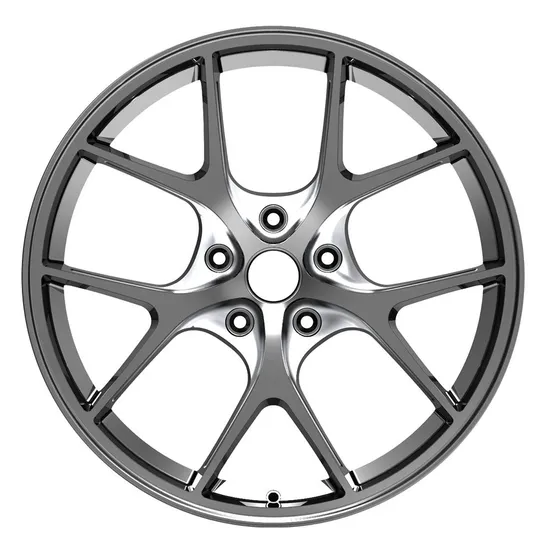 04
WHEEL RIM/HUB
Replica Alloy Wheels 15-18 Inch Aluminum Auto Rims Wholesale
View Specifications
OE Fitment Check
Not sure it fits? Send us the OE number and we'll check it.
Jinan Yoker Auto Parts matches brake discs, drums, radiators, A/C condensers and wheel rims by OE number, vehicle model and year, PCD, ET and CB, so the parts fit before they ship.
- Factory-direct quote within 24 hours
- Free samples before bulk orders
- 10% off first order for new buyers (terms apply)
- Condenser MOQ from 10 PCS
Keep Reading
Related guides on auto parts sourcing
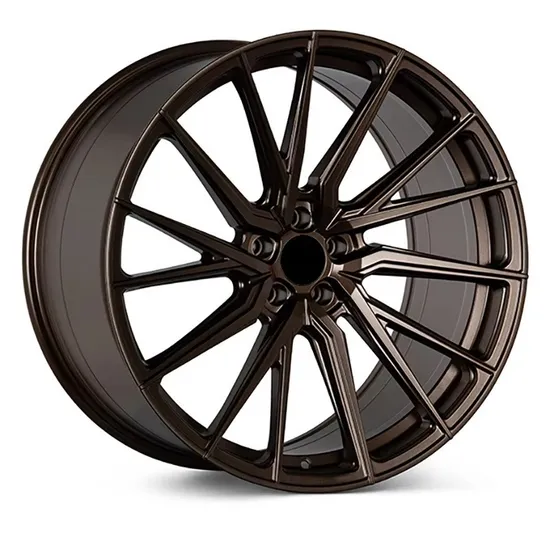
Buying Guide · · 10 min read
Buy Alloy Wheels Best Price 2026 Wholesale Supplier
Buy Alloy Wheels Best Price 2026 by aligning raw material, process, and volume variables rather than chasing low quotes. Discover how factory-direct sourcing compresses…
Read the Guide Buying Guide · · 7 min read
Buy Alloy Wheels Wholesale Price | Factory Direct OEM Supplier
Stop guessing your real landed cost when you Buy Alloy Wheels Wholesale Price. Discover how manufacturing processes, MOQ tiers, and hidden certification fees shape…
Read the Guide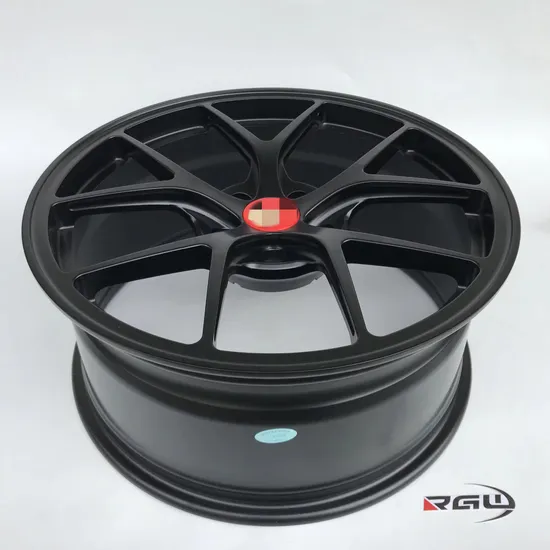
Buying Guide · · 9 min read
Car Rims Price in Ghana: 2026 Wholesale Buyer Guide
Car rims price in Ghana for 2026 wholesale buyers depends on landed costs, not just FOB quotes. This guide breaks down duty structures, finish…
Read the Guide