
Buy 13 Inch Alloy Wheels with VIA TUV Certification Wholesale Supplier
- By author
- Buying Guide
Buy 13 Inch Alloy Wheels with VIA TUV Certification Wholesale Supplier
Having a certificate printed on paper means nothing if the stamp number cannot be pulled up on the issuing body’s database within seconds.
When sourcing 13 inch alloy wheels with VIA TUV certification from a wholesale supplier, the single most important step is verifying that every certificate number, model code, and specification listed matches the physical wheels in the container — and that the supplier holds active, renewable factory-level approval rather than a one-off product test.
I spent years handling shipping documents at a port in the Yangtze River Delta, stamping packing lists and customs declarations day after day, before moving to the trading side. That shift showed me what buyers actually worry about at the other end. Once, a batch of 13 inch rims shipped to Germany had VIA paperwork listing JWL data that did not line up with the physical product markings. TUV inspectors at Hamburg pulled the entire container, and the buyer was stuck paying storage plus return freight — a mid-six-figure loss on what should have been a routine order. After that, I started cross-checking every VIA and TUV certificate number against the official registry before any container is sealed, even if it costs an extra day or two in pre-shipment review. [NEED_CITE: VIA official database lookup procedure for JWL/VIA wheel certification verification]
That lesson shaped how I now walk buyers through the whole process — from understanding what each certificate actually covers, to reading the spec matrix, to picking a wholesale supplier who will not leave you exposed at the destination port.
What Do VIA and TUV Certifications Actually Cover for 13 Inch Alloy Wheels?
VIA and TUV are not interchangeable — they test different things, apply to different markets, and require completely separate factory audit cycles.
Many first-time buyers assume that holding one certification automatically satisfies the other. It does not. The VIA (Vehicle Inspection Agency) certification, administered under Japan’s JWL framework, focuses primarily on dynamic fatigue testing — specifically cornering fatigue, radial fatigue, and impact resistance — measured against JWL standards for passenger vehicle wheels. [NEED_CITE: JWL VIA certification testing standards for passenger car alloy wheels] TUV certification, typically issued by German-based TUV Rheinland or TUV SUD, covers a broader scope: it includes material composition checks, structural testing, and — critically — an initial factory audit plus annual supervisory audits of the manufacturing facility itself. [NEED_CITE: TUV wheel certification scope including factory supervision requirements]
For a wholesale supplier exporting 13 inch alloy wheels, the practical difference is this: VIA/JWL is mandatory or strongly preferred for the Japanese domestic market and several Southeast Asian countries that reference JWL standards. TUV is the gateway into Germany, Austria, Switzerland, and much of the European aftermarket where street-legal wheel registration requires TUV documentation. [NEED_CITE: regional market requirements for JWL VIA vs TUV wheel certification]
| Certification | Testing Focus | Factory Audit Required | Primary Target Markets |
|---|---|---|---|
| VIA / JWL | Cornering fatigue, radial fatigue, impact | Not required (product-level test) | Japan, Southeast Asia, select Middle East |
| TUV (Rheinland/SUD) | Structural, material, impact + annual factory audit | Yes — initial and annual | Germany, Austria, Switzerland, broader EU |
| ISO 9001 | Quality management system | Yes — system-level | Global baseline, not wheel-specific |
| DOT (US) | Compliance marking for US market | Self-declaration with record-keeping | United States |
A European tuning shop buyer once ordered a full container of 13 inch mesh-pattern wheels from a supplier who showed a valid VIA certificate. The wheels arrived in Rotterdam without any TUV paperwork. The buyer could not register them for street use in Germany, and the entire shipment became dead stock. The VIA certificate was genuine — it just was not the right certificate for that market. [NEED_CITE: European market wheel homologation requirements for aftermarket alloy wheels]
If your end customers are in Europe, TUV is non-negotiable. If they are in Japan or markets that reference JWL, VIA is the one that matters. A reliable wholesale supplier should be able to produce both — and show you the original certificate, not a photocopy.
How to Verify VIA/TUV Certificates Before Placing a Bulk Order?
A certificate PDF downloaded from a supplier’s email is not proof — the number must resolve on the issuing authority’s official registry with matching model and specification details.
The verification process is straightforward but frequently skipped by buyers in a hurry. Here is the sequence I follow on every order:
-
Step 1 — Request the original certificate scan. The document must show the certificate number, the exact wheel model name or code, the size (e.g., 13×5.5J), PCD, ET offset, center bore, and the name of the manufacturing facility. Any missing field is a red flag. [NEED_CITE: required data fields on a valid VIA JWL wheel certificate]
-
Step 2 — Cross-check on the VIA official database. The Japan VIA organization maintains an online lookup where certificate numbers can be searched. The model name, size, and manufacturer name on the certificate must match the database entry exactly. A mismatch in even one digit means the certificate is either expired, revoked, or fabricated.
-
Step 3 — Verify TUV through the issuing body. TUV Rheinland and TUV SUD each maintain certificate databases. Enter the certificate number and confirm that the listed product category includes alloy wheels, the factory address matches, and the certificate status reads "valid" or "active." [NEED_CITE: TUV certificate database verification method for alloy wheel products]
-
Step 4 — Match the physical wheel markings. Every certified wheel must have permanent markings — typically the JWL or VIA logo, the manufacturer code, and size specifications cast or engraved into the wheel. If the markings on the physical wheel do not match the certificate data, customs or destination inspectors will flag the shipment regardless of what the paper says.
-
Step 5 — Confirm the factory audit cycle (TUV only). TUV certification requires annual factory supervision. Ask the supplier for the most recent audit report or a valid audit certificate. An expired audit means the TUV certificate is effectively suspended.
A buyer in the Middle East once shared a supplier-provided TUV certificate that looked completely legitimate. When I checked the TUV Rheinland database, the certificate number belonged to a different product category entirely — steel wheels for agricultural equipment, not alloy passenger car wheels. The supplier had simply edited the document. Catching this before shipment saved the buyer from a customs seizure and potential legal liability. [NEED_CITE: risks of forged wheel certification documents in international trade]
Never accept a supplier’s word that "the certificate is being renewed" or "we have the same factory, just a different number." If the number does not resolve today, treat it as invalid.
13 Inch Alloy Wheel Specs: PCD, ET, and Finish Options for Different Markets
The same 13 inch wheel diameter can fit completely different vehicles — getting PCD, ET, and center bore wrong turns a full container into unsellable inventory.
13 inch alloy wheels remain in steady demand across multiple vehicle segments: compact city cars, older-generation sedans, light commercial vehicles, and certain kei-car platforms in Japan. The specifications vary significantly by target market and vehicle origin.
| Specification | Japanese Market (Kei / Compact) | European Market (City Cars) | Middle East / Africa (Older Sedans) |
|---|---|---|---|
| Common PCD | 4×100, 4×98 | 4×100, 4×10⁸ | 4×100, 4×114.3 |
| Typical ET Range | ET35 – ET45 | ET25 – ET38 | ET30 – ET40 |
| Center Bore | 54.1mm, 56.1mm | 54.1mm, 56.6mm, 65.1mm | 54.1mm, 56.1mm, 67.1mm |
| Width Range | 13×4.5J – 13×5.5J | 13x5J – 13x6J | 13x5J – 13×5.5J |
| Popular Finishes | Silver machined, hyper silver | Matte black, gunmetal | Gloss black, chrome |
[NEED_CITE: common PCD and offset specifications for 13 inch alloy wheels by vehicle market]
The finish selection also follows market preference patterns. Japanese buyers and distributors tend to favor machined-face or hyper silver finishes that match OEM styling. European tuning shops lean toward matte black and gunmetal for a more aggressive aftermarket look. Middle East and African markets often prefer gloss black or chrome for visual presence on older vehicle platforms.
A wholesale supplier worth working with will maintain a spec matrix like this in their catalog and be able to confirm fitment data before you commit to a full order. If a supplier cannot immediately tell you which PCD and ET combinations they stock in 13 inch, that is a sign they are trading rather than manufacturing — and certification traceability becomes harder to guarantee. [NEED_CITE: importance of fitment data accuracy in alloy wheel wholesale distribution]
Always request a fitment confirmation sheet before placing a bulk order. A reputable wholesale supplier will provide this as a standard part of the pre-order process, cross-referencing your target vehicle list against their available PCD, ET, and center bore combinations.
What to Look for in a Wholesale Supplier for Certified Alloy Wheels?
The cheapest unit price becomes the most expensive decision the moment a container gets rejected at the destination port — factory-level certification, complete export documentation, and structural warranty are the real cost savers.
After years of watching orders succeed or fail based on supplier selection, I have narrowed the evaluation down to a few non-negotiable criteria for any wholesale supplier of certified 13 inch alloy wheels:
-
Multi-certification coverage. A serious supplier holds ISO 9001 as a baseline, plus VIA/JWL for Asian markets, TUV for European markets, and ideally DOT for North America. Holding multiple certifications simultaneously indicates a manufacturing operation that invests in ongoing compliance — not a trading company reselling uncertified wheels with borrowed paperwork. [NEED_CITE: multi-certification requirements for global alloy wheel export suppliers]
-
Flexible MOQ with certification consistency. Stock models should be available in small quantities for trial orders, while custom designs should have a reasonable minimum that still allows buyers to test market response. The key point: every wheel shipped — whether twenty pieces or a full container — must carry the same certification markings and traceable batch records.
-
Complete export documentation package. This includes commercial invoice, packing list, bill of lading, certificate of origin, and — for certified wheels — copies of the relevant VIA/TUV certificates matched to the shipment batch. A wholesale supplier who cannot provide all of these documents in a timely manner is creating customs risk for the buyer.
-
Structural warranty backing. A three-year structural warranty on certified wheels signals that the manufacturer stands behind the integrity of their product under normal use conditions. This is especially important for buyers reselling to end consumers, as it provides a recourse path if a wheel fails due to a manufacturing defect.
-
Transparent factory audit access. A genuine manufacturer will allow buyers to review their TUV audit status, VIA registration, and production quality control records. If a supplier deflects these requests or provides vague answers, the certification chain is likely broken somewhere.
The Ouya brand wheels we supply are produced under a multi-certification framework covering ISO, VIA, TUV, DOT, JWL, and CCC — meaning a single wholesale supplier relationship can serve buyers targeting Japan, Europe, the US, and domestic Chinese markets simultaneously. Stock 13 inch models are available from as few as twenty pieces, while custom designs start at one hundred pieces, with lead times in the standard production window. Every shipment includes full export documentation and is backed by a three-year structural warranty. [NEED_CITE: Ouya brand alloy wheel certification coverage and wholesale order terms]
Common Pitfalls When Importing Certified Alloy Wheels from China
Certification fraud, document mismatch, and expired factory audits are the three failure modes that turn a profitable import into a financial disaster — and all three are preventable with pre-shipment verification.
The pitfalls I have seen most often in this trade fall into clear patterns:
Pitfall 1 — Forged or altered certificates. Some suppliers produce convincing-looking VIA or TUV documents with edited certificate numbers or model codes. The only defense is database verification before payment. If the number does not resolve on the official registry, walk away.
Pitfall 2 — Certificate covers a different product. A supplier may hold a valid TUV certificate — but for a different wheel size, a different model, or even a different product category. The certificate is real; it just does not apply to what you are buying. Always confirm that the model name and size on the certificate match your purchase order exactly. [NEED_CITE: common certification document fraud patterns in alloy wheel export trade]
Pitfall 3 — Expired factory audit (TUV). TUV certification requires annual factory supervision. A supplier may show a valid product certificate while the underlying factory audit has lapsed. Without a current audit, the TUV certificate is effectively suspended, and destination customs may reject the shipment.
Pitfall 4 — Physical markings do not match paperwork. Wheels arrive with JWL stamps, but the certificate is TUV only — or vice versa. Destination inspectors check markings against paperwork. A mismatch triggers inspection delays, storage fees, and potential return shipment costs that far exceed any per-piece savings on the original order.
Pitfall 5 — Trading company posing as manufacturer. A trading company may source wheels from multiple factories, some certified and some not, and mix them into the same shipment. The buyer receives a certificate that covers part of the order but not all of it. This is nearly impossible to detect without batch-level traceability and physical inspection before loading. [NEED_CITE: risks of mixed-batch certified and uncertified wheels in alloy wheel import shipments]
The common thread across every pitfall is the same: insufficient pre-shipment verification. A wholesale supplier who welcomes document checks, provides batch-level traceability, and maintains active multi-certification status eliminates these risks before the container is ever sealed.
Conclusion
Certification is not a marketing badge — it is a legal and logistical requirement that determines whether your wheels reach the end customer or sit in a port warehouse accumulating storage fees.
Verify every certificate number on the official registry before ordering, confirm that physical wheel markings match the paperwork exactly, and choose a wholesale supplier whose factory-level certifications are active, multi-market, and fully traceable to each shipment batch. The small effort invested in pre-shipment document review prevents the large costs that follow when certification fails at the destination.
Related Applications
Parts in This Article
Products mentioned above
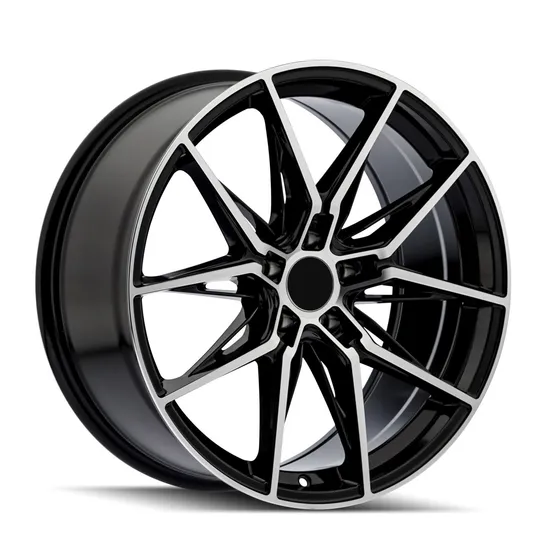 01
WHEEL RIM/HUB
19-Inch Alloy Wheels 5X100 PCD Interchangeable Center Caps
View Specifications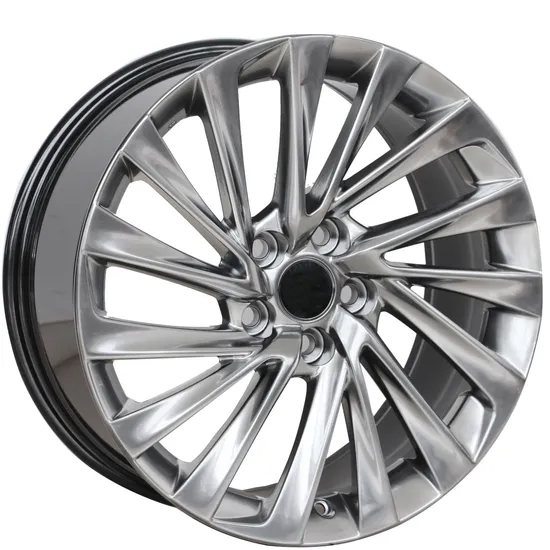 02
WHEEL RIM/HUB
17-19 Inch Alloy Wheel Rim - High-Quality Car Wheel Hub
View Specifications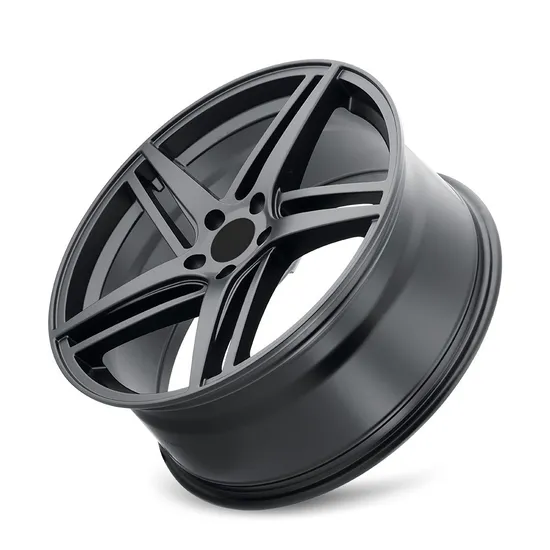 03
WHEEL RIM/HUB
20inch 5*120 5*112 PCD Premium 18-Inch Alloy Wheels
View Specifications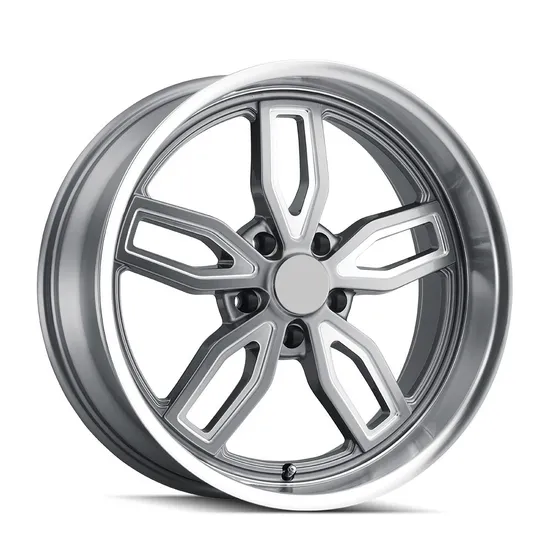 04
WHEEL RIM/HUB
16-Inch Alloy Wheels Rims Rust-Resistant for Compact Cars
View Specifications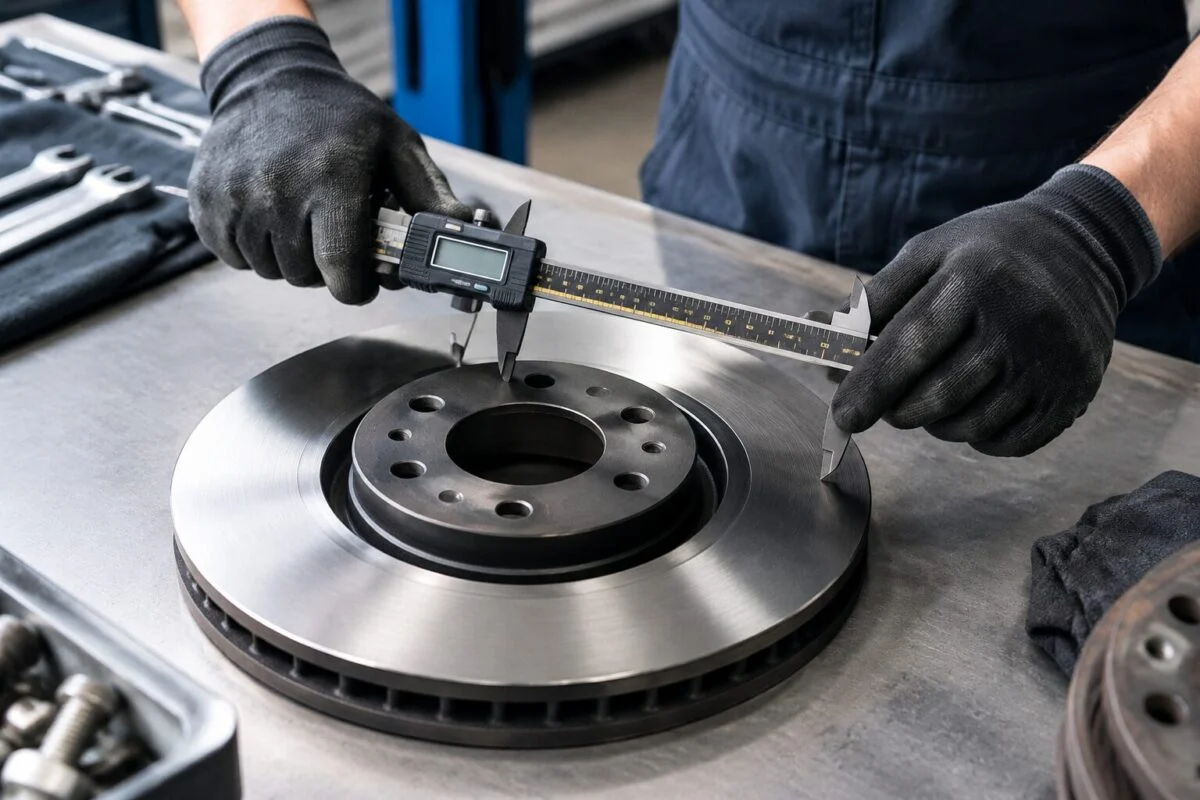
OE Fitment Check
Not sure it fits? Send us the OE number and we'll check it.
Jinan Yoker Auto Parts matches brake discs, drums, radiators, A/C condensers and wheel rims by OE number, vehicle model and year, PCD, ET and CB, so the parts fit before they ship.
- Factory-direct quote within 24 hours
- Free samples before bulk orders
- 10% off first order for new buyers (terms apply)
- Condenser MOQ from 10 PCS
Keep Reading
Related guides on auto parts sourcing
Buying Guide · · 11 min read
Car Rims 12″-24″ Wholesale Supplier | Jinan Yoker OEM Factory Direct
Stop comparing flat per-piece quotes for car rims price in Australia. Real costs depend on surface finish, certification tier, and order volume rather than…
Read the Guide
Buying Guide · · 7 min read
Alloy Wheel Supplier for Saudi Arabia: China Factory Direct Wholesale
Selecting the right Alloy Wheel Supplier for Saudi Arabia requires more than low prices; it demands SABER certification, Arabic labeling, and precise fitment for…
Read the Guide
Buying Guide · · 10 min read
Buy 22 Inch Alloy Wheels Factory Direct Price
Unlock transparent 22 inch alloy wheels factory direct price with verified certification and logistics insights. Avoid hidden costs by understanding MOQ impacts, regional compliance…
Read the Guide