
Car Rims 12″-24″ Wholesale Supplier | Jinan Yoker OEM Factory Direct
- By author
- Buying Guide
Car Rims 12"-24" Wholesale Supplier | Jinan Yoker OEM Factory Direct
Size alone does not determine rim cost — surface finish and certification tier often outweigh diameter in final pricing.
Car rims price in Australia is shaped by four variables: diameter range, surface工艺 complexity, certification level, and order volume. A single per-piece quote without specifying these factors is meaningless for cross-supplier comparison. Importers who treat price as a flat number per inch routinely face landed-cost surprises at the port.
I still remember a conversation at a SEMA booth years ago. A buyer from Melbourne flipped through our catalog, pointed at a 20-inch deep concave wheel, and said, "This must cost double the 17-inch." I pulled out two wheels — the 20-inch in basic matte black, and the 17-inch with full mirror chrome and TÜV paperwork. The 17-inch was more expensive. He stared at them, then asked to see the cost breakdown. That moment crystallized something I had been seeing repeatedly: buyers fixate on diameter because it is visible, while the real cost drivers hide in finishing lines and certification labs. [NEED_CITE: alloy wheel cost structure breakdown by finish and certification tier]
Let me walk you through what actually moves the needle when you are sourcing car rims price in Australia for wholesale or OEM programs.
What Determines Car Rim Prices in Australia in 2026?
Four factors govern pricing: size, finish, certification, and volume — and they interact rather than stack linearly.
Most importer inquiries I receive at trade shows start with "How much for a set of 18-inch wheels?" The question is unanswerable without context. Diameter determines raw material weight and machining time, yes. But surface treatment complexity can multiply base cost several times over. A cast wheel in silver paint sits at one end of the spectrum; a flow-formed wheel with machined face, chrome lip, and full TÜV documentation sits at the other. The gap between them has little to do with inches.
Certification adds another layer entirely. Wheels stamped only with the manufacturer’s internal quality mark cost noticeably less than those carrying JWL, VIA, DOT, or TÜV certifications. Each certification requires destructive testing batches, ongoing audit fees, and documentation overhead. [NEED_CITE: certification cost impact on alloy wheel unit pricing across JWL DOT TUV standards]
Volume is the fourth lever, and it works differently than most buyers assume. Ordering a small trial batch does not simply divide a container price by a smaller number — the per-piece logistics allocation, setup charges, and certification amortization inflate unit cost substantially. I have seen buyers order trial quantities, get shocked by the unit price, and then realize that scaling to a full container drops the per-piece cost by a significant margin.
| Factor | Low Impact | Medium Impact | High Impact |
|---|---|---|---|
| Diameter | 12"-15" | 16"-19" | 20"-24" |
| Finish | Basic paint | Machined face | Full chrome |
| Certification | In-house only | DOT/JWL | TÜV/VIA full |
| Volume | Trial batch | Half container | Full container |
The key takeaway: when comparing car rims price in Australia quotes from different suppliers, ensure every quote specifies all four variables. Otherwise you are comparing different products under the illusion of comparing the same one.
How Does Rim Size (12"-24") Affect Wholesale Pricing?
Diameter influences material and machining costs, but finish and certification often dominate the final price difference between size ranges.
It is tempting to assume a clean linear relationship: bigger wheel, higher price. The reality is messier. Within the passenger car range — say 15-inch through 19-inch — the raw material cost difference between adjacent sizes is modest. Aluminum alloy pricing moves with commodity markets, and the weight differential between a 16-inch and an 17-inch wheel of similar design might be a few hundred grams. The machining time difference is marginal.
Where size starts to matter more is at the extremes. Wheels below 14-inch, typically for small commercial vehicles or older compact models, benefit from mature high-volume tooling and simpler designs. Wheels above 20-inch, particularly those for SUVs and luxury applications, require more material, longer machining cycles, and often more rigorous structural testing due to higher load requirements. [NEED_CITE: alloy wheel weight and material cost correlation by diameter range]
A Middle East distributor I worked with once placed an order spanning 15-inch through 22-inch for a mixed-market program. The per-piece price difference between the 15-inch and 17-inch was minimal — both shared similar tooling and finishing processes. But the jump from 19-inch to 22-inch was substantial, driven not just by material but by the fact that the larger sizes required reinforced spoke structures and additional X-ray inspection passes for the SUV application.
| Size Range | Material Impact | Finish Impact | Typical Application |
|---|---|---|---|
| 12"-14" | Noticeably reduced | Standard | Commercial, compact |
| 15"-17" | Standard | Standard to moderate | Passenger, entry SUV |
| 18"-19" | Moderate increase | Moderate to high | Mid-size SUV, sedan |
| 20"-22" | Substantially extended | High | Luxury SUV, performance |
| 23"-24" | Substantially extended | Very high | Custom, show, racing |
The practical lesson for Australian buyers: if your program is concentrated in the 16-inch to 18-inch range, the size-driven price variation will be modest. Your budget conversations should focus more on finish selection and certification requirements, which are where the real cost sensitivity lies.
What Are the Hidden Costs Importers Overlook?
Certification compliance, destination port charges, and small-batch logistics allocation form the three most common hidden cost categories.
At trade shows, I regularly see buyers compare FOB quotes from multiple factories, pick the lowest number, and then discover weeks later that the landed cost tells a completely different story. The FOB price is only the starting point.
Certification compliance is the first trap. Australian importers need wheels that meet local regulatory requirements, and depending on the application — aftermarket replacement versus OEM supply versus modification shop installation — the certification tier required varies significantly. A wheel certified only for the Chinese domestic market carries a lower factory price, but it cannot be legally sold in many Australian applications without additional testing and documentation. The cost of retrofitting certification after production is complete is several times higher than specifying the correct certification tier upfront. [NEED_CITE: Australian wheel import regulatory requirements and certification standards]
Destination port charges are the second trap. I once watched a buyer from Perth celebrate a particularly attractive CIF quote, only to discover that the quoted port was Fremantle and his actual receiving warehouse was days away by road, with drayage and storage fees eating into his margin. Port congestion surcharges, container demurrage, and customs brokerage fees vary by port and by season. Failing to model these costs leads to inaccurate landed-cost calculations.
Small-batch logistics allocation is the third trap, and it catches many e-commerce sellers and modification shops. Ordering a trial quantity of wheels — say enough to test a new SKU — means the per-piece share of container handling, documentation fees, and inland transport is substantially higher than for a full container order. The factory might quote an attractive per-piece price for a small batch, but once logistics allocation is added, the effective unit cost can approach or even exceed the price of ordering a larger quantity.
| Hidden Cost Category | Typical Trigger | Mitigation Approach |
|---|---|---|
| Certification compliance | Specifying wrong tier upfront | Confirm target market requirements before quoting |
| Destination port charges | Quoting to wrong port or ignoring surcharges | Model full drayage and brokerage costs |
| Small-batch logistics | Trial orders without volume scaling plan | Compare trial unit cost versus scaled unit cost |
A European modification shop client learned this the hard way. They ordered a small batch of staggered-fitment wheels for a limited-edition program, received a competitive per-piece quote, and then found that the logistics allocation and customs handling made the effective cost per wheel substantially higher than expected. On their next program, they modeled the full landed cost before committing — and chose to scale the order to a half-container quantity, which brought the per-piece landed cost down noticeably.
How to Compare Supplier Quotes Accurately?
Standardize the quoting basis, verify certification documentation, and calculate full landed cost before making any comparison.
This is where most buying decisions go wrong. I have sat across tables at Canton Fair and Automechanika watching buyers collect business cards, stack up quotes, and then spread them on a hotel desk trying to figure out which number is lowest. The problem is that the numbers are rarely comparable.
Step one: standardize the quoting basis. Some factories quote FOB, some quote CIF, some quote CFR. A CIF quote to Sydney looks lower than an FOB quote from the same factory if you forget that the CIF includes freight and insurance. Before comparing, convert all quotes to the same basis — either all FOB for factory-cost comparison, or all landed-cost for final budget comparison. [NEED_CITE: Incoterms comparison for alloy wheel international trade FOB CIF CFR]
Step two: verify certification documentation. A quote that claims "TÜV certified" should be accompanied by a valid, transferable certificate number that you can independently verify with the issuing body. I have seen quotes where the certification claim turned out to apply to a different wheel design, or to have expired, or to belong to a trading company rather than the actual manufacturer. Our own facility maintains ISO, VIA, TÜV, DOT, JWL, and CCC certifications across our production lines, and we provide full documentation packages with every shipment — because we know that for serious buyers, paperwork is not optional.
Step three: calculate full landed cost. This means starting with the factory quote, adding freight and insurance if not included, adding destination port charges, adding customs duty and GST, adding inland transport to your warehouse, and then dividing by the number of pieces. Only then do you have a number that is comparable across suppliers and comparable to your selling price.
| Comparison Element | Common Mistake | Correct Approach |
|---|---|---|
| Quoting basis | Mixing FOB and CIF | Convert all to same basis |
| Certification | Accepting claims at face value | Verify certificate numbers independently |
| Landed cost | Using factory quote as final cost | Model full chain to warehouse |
An Australian e-commerce seller I met at a Melbourne trade event was comparing quotes from three factories for a line of 18-inch matte black wheels. Factory A quoted the lowest per-piece price on an FOB basis. Factory B quoted slightly higher on a CIF basis. Factory C quoted the highest on an FOB basis but included full JWL certification documentation. When the seller calculated landed cost including freight, port charges, and the cost of arranging independent certification for Factory A’s wheels, Factory C’s quote actually came out most competitive — and came with zero certification risk.
What MOQ and Lead Time Should Australian Buyers Expect?
Stock models typically start at small quantities with quick turnaround; custom programs require larger commitments and longer production windows.
MOQ and lead time are not universal — they depend on whether you are ordering existing catalog designs or commissioning custom specifications.
For stock models — wheels already in the manufacturer’s regular production program — MOQs typically start at very accessible quantities. This is designed to accommodate modification shops, e-commerce testers, and regional distributors who need to validate market response before committing to volume. Lead times for stock models are relatively short, often measured in weeks rather than months, because the tooling is already made and the production slots are planned.
For custom programs — wheels with proprietary designs, specific offset and width combinations, or exclusive finish requirements — MOQs are higher because the factory must amortize tooling costs, setup time, and certification testing across the order. Lead times extend accordingly, as the production sequence includes design confirmation, sample approval, tooling fabrication, trial production, certification testing if required, and then full batch production. [NEED_CITE: alloy wheel manufacturing lead time breakdown by order type stock versus custom]
| Order Type | Typical MOQ Range | Typical Lead Time | Best Suited For |
|---|---|---|---|
| Stock models | Small quantity accessible | Weeks | Testing, modification shops, e-commerce |
| Semi-custom (finish/size only) | Moderate quantity | Extended | Regional distributors, retail programs |
| Full custom (design/structure) | Substantial quantity | Substantially extended | OEM programs, exclusive brands |
A modification shop in Brisbane once approached us needing a specific 19-inch deep concave design in a custom gunmetal finish. They wanted to start with a small trial to gauge customer response. We accommodated the trial within our stock-adjacent program, and when the design proved popular, they scaled to a full custom order with exclusive color matching. The key was structuring the engagement in phases — trial first, volume second — rather than forcing a large commitment upfront.
The practical benchmark for Australian buyers: if a supplier quotes MOQs that seem unusually low for custom work, ask what is actually included. Some suppliers quote low MOQs by excluding certification, tooling amortization, or documentation costs that surface later. Our own MOQ structure starts at accessible levels for stock models and scales appropriately for custom programs, with transparent lead time expectations at each stage.
Conclusion
Car rims price in Australia is a multi-variable equation, not a single number — and treating it as such leads to costly miscalculations. Diameter matters, but finish and certification often matter more. Hidden costs in compliance, port charges, and logistics allocation routinely catch unprepared importers. Accurate quote comparison requires standardized basis, verified documentation, and full landed-cost modeling. And MOQ and lead time expectations must align with whether you are buying stock or commissioning custom. Get these fundamentals right, and the pricing conversation becomes straightforward.
Related Applications
Parts in This Article
Products mentioned above
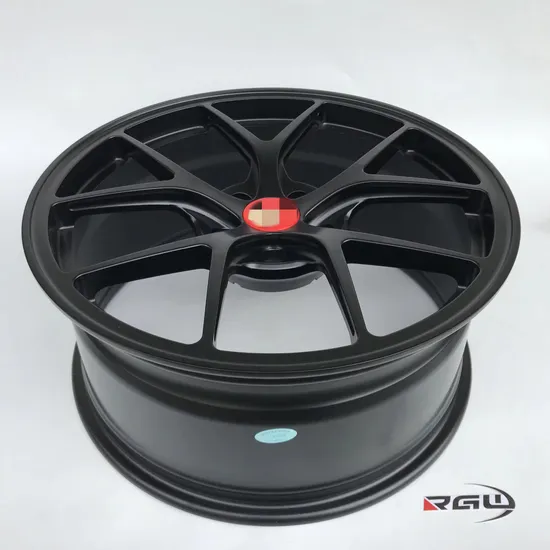 01
WHEEL RIM/HUB
16-20 Inch Racing Car Rims for BMW/Audi A3A4/Civic
View Specifications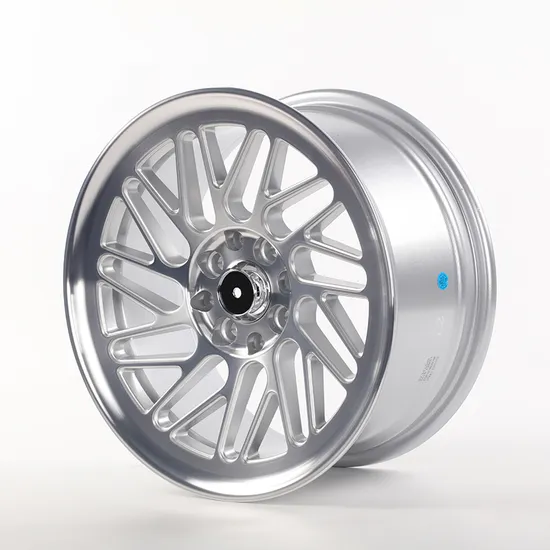 02
WHEEL RIM/HUB
17-22 Inch Forged Aluminum Alloy Car Rims Chrome Wheels China
View Specifications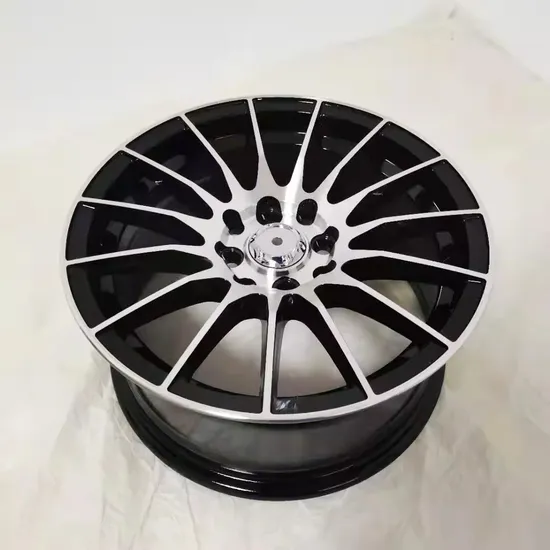 03
WHEEL RIM/HUB
High-Performance 15 Inch 4X100 4lug Aluminum Racing Car Rims
View Specifications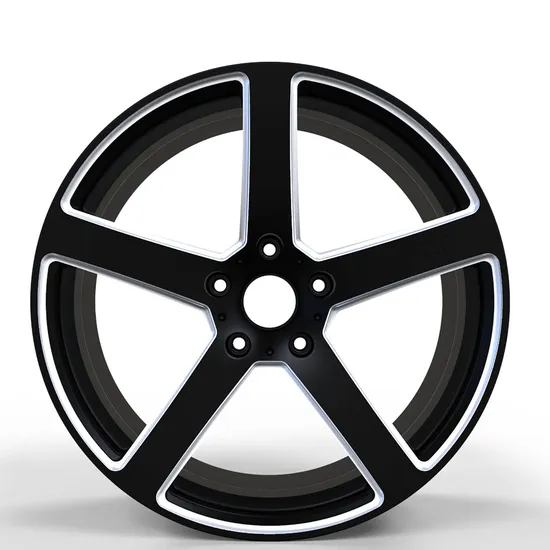 04
WHEEL RIM/HUB
Forged Alloy Wheels 17-21 Inch 5X114.3 Racing Car Rims Hub
View Specifications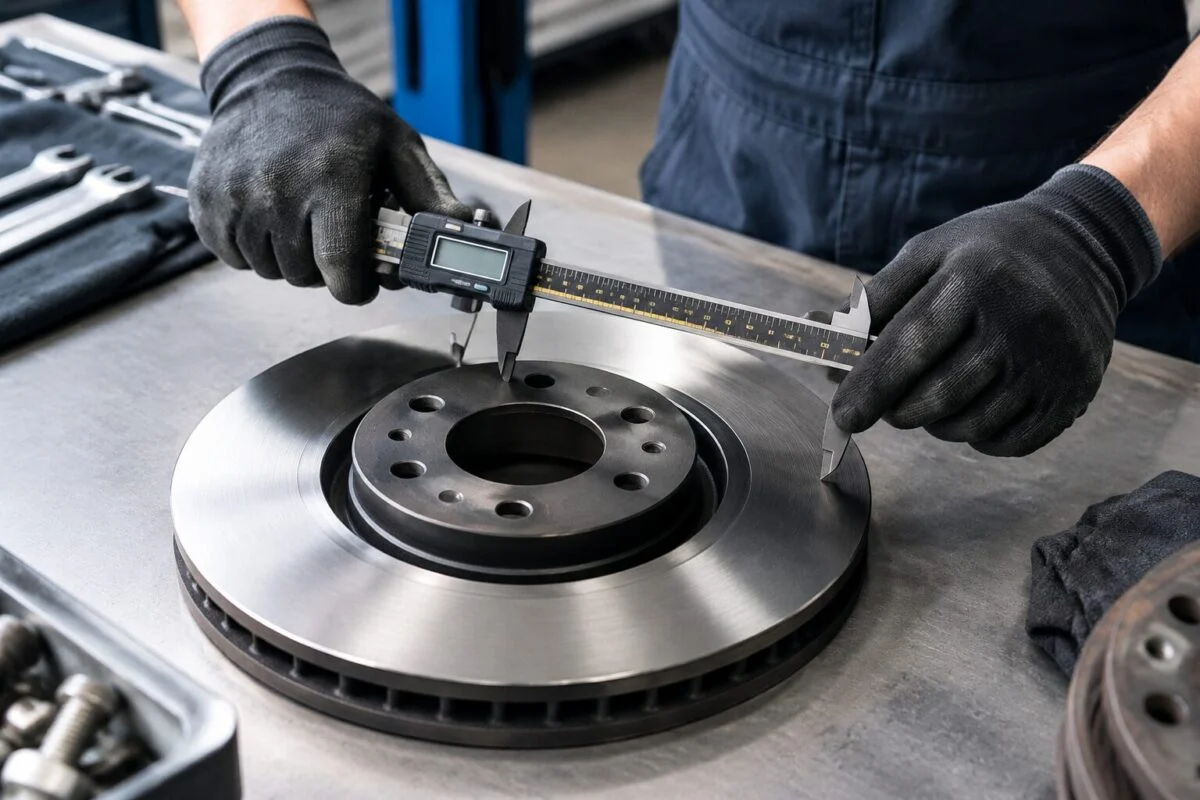
OE Fitment Check
Not sure it fits? Send us the OE number and we'll check it.
Jinan Yoker Auto Parts matches brake discs, drums, radiators, A/C condensers and wheel rims by OE number, vehicle model and year, PCD, ET and CB, so the parts fit before they ship.
- Factory-direct quote within 24 hours
- Free samples before bulk orders
- 10% off first order for new buyers (terms apply)
- Condenser MOQ from 10 PCS
Keep Reading
Related guides on auto parts sourcing
Buying Guide · · 7 min read
Alloy Wheel Supplier for Saudi Arabia: China Factory Direct Wholesale
Selecting the right Alloy Wheel Supplier for Saudi Arabia requires more than low prices; it demands SABER certification, Arabic labeling, and precise fitment for…
Read the Guide
Buying Guide · · 10 min read
Buy 22 Inch Alloy Wheels Factory Direct Price
Unlock transparent 22 inch alloy wheels factory direct price with verified certification and logistics insights. Avoid hidden costs by understanding MOQ impacts, regional compliance…
Read the Guide
Buying Guide · · 10 min read
Alloy Wheel Rims 12-24 Inch Wholesale Supplier Factory Direct Price
Navigate the 2026 car rims price Poland market with clarity on wholesale tiers, manufacturing processes, and hidden import costs. Discover how factory-direct sourcing from…
Read the Guide