
12-24 Inch Alloy Wheels Manufacturer for Philippines Market: 2026 OEM/Wholesale Buyer Guide
- By author
- Buying Guide
12-24 Inch Alloy Wheels Manufacturer for Philippines Market: 2026 OEM/Wholesale Buyer Guide
Most buyers assume the Philippines is a relaxed certification market — until their container gets held at Manila port over missing JWL paperwork.
Sourcing best alloy wheels for Philippines market requires balancing three non-negotiables: JWL/VIA certification compliance for formal channels, 15-18 inch sizing aligned with Japanese vehicle dominance, and marine-grade anti-corrosion packaging engineered for tropical humidity. Selecting a China-based manufacturer with complete export documentation capability significantly reduces the risk of port rejection.
I spent years watching containers roll through Ningbo Port before shifting into alloy wheel trade coordination, and the Philippines has been a steady lane. One shipment that still sits in my memory involved a batch of 18-inch flow-formed wheels destined for Manila. The buyer’s purchase order simply stated "hyper silver finish" — no salt-spray test requirement, no packaging specification for ocean transit. When the container opened at port, white corrosion had formed along every rim edge. The buyer rejected the entire lot, and the return-and-replace cycle stretched across months. After that, I made it a habit to lock down surface treatment specs, packaging layers, and certification requirements line by line before confirming any quote. The Philippines market looks approachable on the surface, but OEM buyers enforce JWL and VIA standards rigorously, and MOQ structures vary considerably between suppliers. Let me walk through what actually matters.
Here is what you need to know about sizing, certification, surface durability, supplier economics, and shipping pitfalls — broken down from real order experience.
What Are the Most Popular Alloy Wheel Sizes and Specs for Philippines?
The 15 to 18 inch range covers the overwhelming majority of after-market demand in the Philippines, driven by the dominance of Japanese-nameplate passenger vehicles on local roads.
The Philippine vehicle parc is heavily skewed toward Toyota, Mitsubishi, Honda, and Nissan models — utility vehicles and compact sedans that share common bolt patterns. This means a relatively narrow set of PCD and offset configurations can serve a broad customer base. Getting these specs right is the foundation of volume movement.
| Parameter | Most Common Range | Typical Application |
|---|---|---|
| Diameter | 15-18 inch | Aftermarket replacement and mild modification |
| PCD | 4×100, 5×114.3 | Toyota Vios, Mitsubishi Mirage, Honda City |
| Center Bore | 54.1mm, 56.1mm, 60.1mm | Varies by Japanese model lineage |
| Offset (ET) | +35 to +45 | Standard flush fitment for sedans and SUVs |
| Width | 6J-8J | Street use and light stance modification |
The 15-inch segment remains the highest-volume tier, primarily serving fleet vehicles, taxi operators, and budget-conscious replacement buyers. The 16 and 17-inch sizes dominate the enthusiast and mid-tier modification market, where buyers seek visual upgrades without sacrificing ride comfort on uneven urban roads. The 18-inch tier attracts premium modification shops and SUV owners, though demand volume is noticeably smaller [NEED_CITE: Philippine vehicle registration distribution by make and model segment].
A wholesale buyer in Quezon City once ordered a mixed container of 15, 16, and 17-inch wheels across multiple PCDs. The 5×114.3 configuration in 16-inch accounted for the majority of his reorder volume within months — it simply matched the widest vehicle coverage. Meanwhile, less common PCDs like 4×114.3 moved slowly and tied up warehouse space. The lesson: stocking depth should follow vehicle parc data, not catalog breadth.
For buyers sourcing best alloy wheels for Philippines market, confirming PCD and offset accuracy against local vehicle registration data before placing bulk orders prevents dead-stock accumulation.
Which Certifications Do Philippines Buyers Actually Require?
JWL and VIA are hard requirements for any supplier targeting formal OEM channels, 4S dealership networks, and reputable aftermarket distributors — uncertified wheels are confined to the lowest-tier散货 segment.
There is a persistent misconception that Southeast Asian markets accept wheels without rigorous certification. The reality in the Philippines is more nuanced. Formal procurement channels — including authorized dealer groups, ride-hailing fleet operators, and government-adjacent vehicle programs — require wheels that carry recognized testing marks. JWL (Japan Light Alloy Wheel Testing Association) and VIA (Vehicle Inspection Association) certifications represent the baseline expectation for wheels marketed as compatible with Japanese-registered vehicle platforms [NEED_CITE: JWL/VIA certification testing protocols and market recognition in ASEAN].
| Certification | Channel Requirement | Buyer Perception |
|---|---|---|
| JWL + VIA | Mandatory for OEM and 4S | Baseline credibility |
| TÜV | Preferred for European-vehicle programs | Premium differentiator |
| ISO 9001 | Expected for factory audit | Quality system verification |
| No certification | Only viable for unbranded散货 | High rejection risk at formal buyers |
A modification shop owner in Makati shared that he switched suppliers after his previous source provided wheels with self-printed JWL markings that could not be verified against the testing authority’s database. His end customers — who were enthusiasts familiar with certification standards — noticed immediately, and his shop’s reputation took a hit. He now requires test report numbers traceable to the certification body before placing any order.
For buyers evaluating a best alloy wheels for Philippines market supplier, requesting copies of actual JWL/VIA test certificates — not just marketing claims — is essential. The gap between "we have certification" and "here is the verifiable certificate for this specific wheel design" is where many deals go wrong. Manufacturers with multi-certification portfolios covering JWL, VIA, TÜV, and ISO can serve the full spectrum of Philippine buyer tiers without forcing customers to source from multiple factories.
How to Choose the Right Surface Finish for Tropical Climate?
The high humidity and salt-laden coastal air in the Philippines demand surface treatments that withstand extended salt-spray exposure — and hyper silver finishes require significantly more protective packaging than standard painted wheels.
Another common misunderstanding: buyers often treat surface finish as a purely aesthetic decision. In tropical maritime environments, finish selection directly determines whether wheels arrive at the customer’s door looking the same as when they left the factory. The Philippines’ coastal geography means most major population centers sit within kilometers of saltwater exposure, accelerating corrosion on inadequately protected surfaces.
| Finish Type | Salt-Spray Endurance | Packaging Requirement | Risk Level in PH Climate |
|---|---|---|---|
| Standard gloss/matte paint | Moderate | Standard carton | Low to moderate |
| Hyper silver | Extended | Vacuum seal + desiccant + PE foam | Moderate to high if unprotected |
| Chrome plating | High | Standard with edge protection | Low |
| Machined face with clear coat | Moderate to high | Standard with careful edge wrapping | Low to moderate |
The hyper silver finish deserves special attention. Achieving that mirror-like brightness involves multiple coating layers that, while visually striking, are more vulnerable to moisture penetration during ocean transit than conventional painted finishes. I have seen shipments where standard carton packaging was sufficient for matte black wheels on the same vessel, while hyper silver wheels in adjacent pallets developed water spotting and early-stage corrosion — not from the sea voyage itself, but from condensation cycles during port storage and inland transport in unsealed trucks.
A distributor in Cebu learned this the hard way when a container of hyper silver wheels sat at port during a week-long customs hold. The humidity inside the container created a greenhouse effect, and wheels without vacuum-sealed individual wrapping showed visible degradation. His solution going forward: every hyper silver unit gets individually bagged with desiccant packs, then nested in PE foam before cartoning. The per-unit packaging cost increase was modest compared to the potential loss from customer rejection.
When sourcing best alloy wheels for Philippines market, buyers should specify salt-spray test endurance expectations in their purchase agreements and confirm the manufacturer’s packaging protocol matches the finish type selected.
What Are the MOQ, Lead Time, and Pricing Structures from China Suppliers?
Stock models can start from small quantities suitable for testing, while custom designs require meaningful minimum commitments — and factory-direct pricing offers substantial savings over Japanese or European brands, but landed cost tells the real story.
The Philippines market includes a wide range of buyer sizes, from single-store modification shops to multi-warehouse distributors. Supplier MOQ structures need to accommodate this diversity.
| Order Type | Typical MOQ | Lead Time | Best Suited For |
|---|---|---|---|
| Stock models | Low quantity threshold | Short cycle | Testing new markets, small shops |
| Custom designs | Moderate quantity threshold | Standard production cycle | Established distributors, OEM programs |
| Full OEM programs | High volume commitment | Extended with sampling | 4S networks, fleet contracts |
A tuning shop in Manila wanted to test twelve different wheel designs across various sizes. His previous European supplier required pallet-level minimums per SKU, making the test order economically impossible. Switching to a China-based manufacturer with flexible stock-model policies allowed him to order small quantities across multiple designs, evaluate customer response, and then place volume reorders on the winners. This approach let him rotate inventory quickly without capital tied up in slow-moving SKUs.
On pricing, factory-direct sourcing from China typically delivers cost advantages that are substantial compared to branded Japanese or European alternatives. However, the FOB price is only part of the equation. Buyers must calculate the full landed cost including ocean freight, Philippine import duties, customs clearance fees, inland transport, and potential demurrage if documentation issues arise. A seemingly attractive FOB price can lose its advantage if the manufacturer lacks experience with Philippine customs requirements, leading to port delays that generate demurrage charges exceeding the initial savings.
For buyers comparing best alloy wheels for Philippines market suppliers, requesting a complete landed-cost breakdown — not just unit price — reveals the true economic picture. Manufacturers who provide comprehensive export documentation support, including proper HS code classification and certificate of origin formatting, help buyers avoid unexpected port costs.
How to Avoid Common Import Pitfalls When Shipping to Manila?
Anti-corrosion packaging, complete certification documentation, and pre-confirmed HS codes form the three critical checkpoints that prevent cargo rejection and port demurrage.
Shipping to Manila presents specific challenges that buyers unfamiliar with Philippine import procedures often underestimate. The combination of tropical climate, port congestion periods, and strict documentary requirements creates multiple failure points.
The first checkpoint is packaging integrity. As discussed in the surface finish section, tropical humidity demands packaging that accounts for condensation risk. Beyond finish-specific wrapping, outer cartons should be water-resistant, and pallet wrapping must be complete to prevent moisture ingress during open-air port storage.
The second checkpoint is documentation completeness. Philippine customs requires specific certificates depending on the product category and declared use. For alloy wheels, this typically includes the commercial invoice, packing list, bill of lading, certificate of origin, and — critically — any certification test reports that support the product’s compliance claims. Missing or incorrectly formatted documents can hold a container at port for extended periods, generating daily demurrage charges that accumulate rapidly.
A buyer in Davao experienced a situation where his supplier provided JWL test reports that did not match the specific wheel designs in the shipment — the reports covered similar wheels from the same factory but not the exact SKUs shipped. Philippine customs flagged the discrepancy, and the container was held until corrected documentation arrived from China. The delay cost him significantly in port fees and disrupted his delivery commitments to modification shops.
| Risk Area | Prevention Measure | Consequence of Failure |
|---|---|---|
| Corrosion damage | Finish-appropriate packaging with moisture barriers | Customer rejection, return logistics cost |
| Documentation mismatch | Verify certificates match exact shipped SKUs | Customs hold, demurrage accumulation |
| HS code misclassification | Pre-confirm classification with customs broker | Duty recalculation, penalties |
The third checkpoint is HS code accuracy. Alloy wheels fall under specific tariff classifications, and incorrect coding can trigger duty recalculation or penalties during post-clearance audits. Working with a manufacturer experienced in Philippine shipments ensures the commercial invoice reflects the correct classification from the start.
Buyers evaluating a best alloy wheels for Philippines market supplier should assess not just product quality and pricing, but the manufacturer’s capability in export documentation and logistics support. A factory that treats documentation as an afterthought creates downstream risk that the buyer bears entirely.
Conclusion
Successful Philippines market sourcing hinges on matching certification to channel, sizing to vehicle parc, and packaging to climate — with documentation discipline binding it all together.
The best alloy wheels for Philippines market strategy is not about finding the lowest unit price, but about selecting a manufacturing partner who understands the intersection of JWL/VIA compliance, tropical surface protection, and Philippine import procedures. Buyers who verify these capabilities before placing orders avoid the costly lessons that come from port-side rejection.
Related Applications
Parts in This Article
Products mentioned above
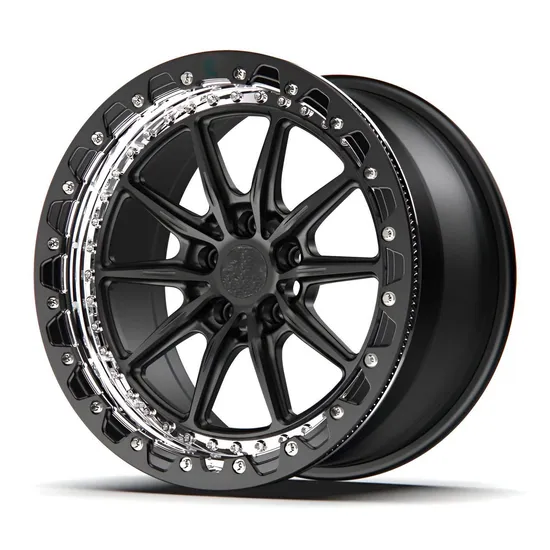 01
WHEEL RIM/HUB
15-18 Inch High End Racing Beadlock Car Wheels
View Specifications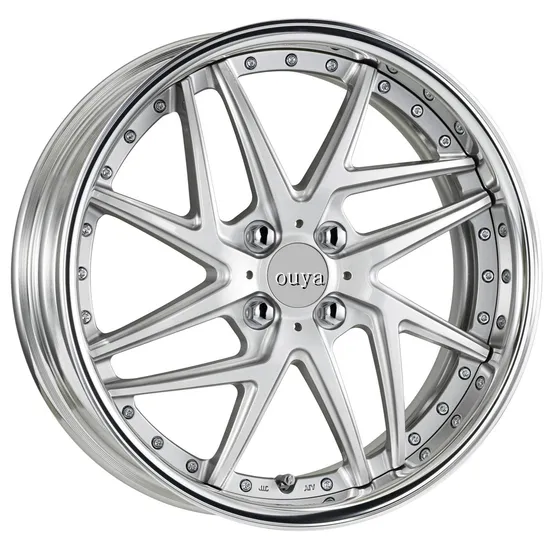 02
WHEEL RIM/HUB
Custom Forged 5X114.3/120/112 Alloy Wheels 15-18 Inch Et35 for Sports Cars
View Specifications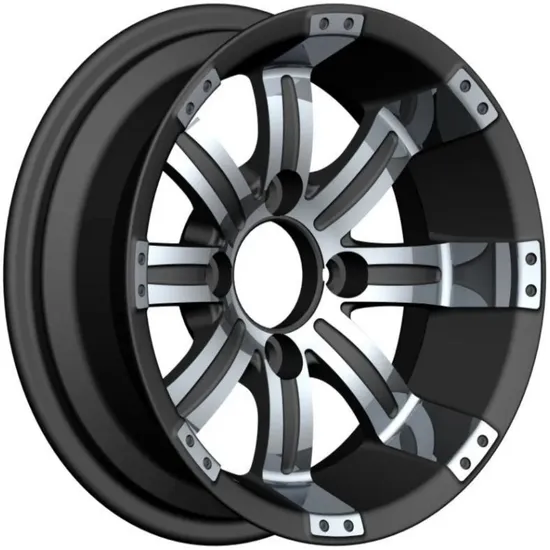 03
WHEEL RIM/HUB
15-18 Inch 4X4 Off-Road Alloy Wheel Mags Rims High Quality
View Specifications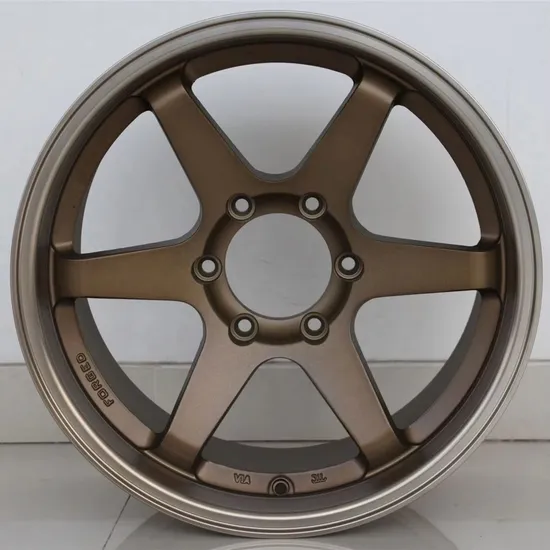 04
WHEEL RIM/HUB
15-18 Inch 6 Spoke Brozen Mag Aluminum Alloy Wheel Rims
View Specifications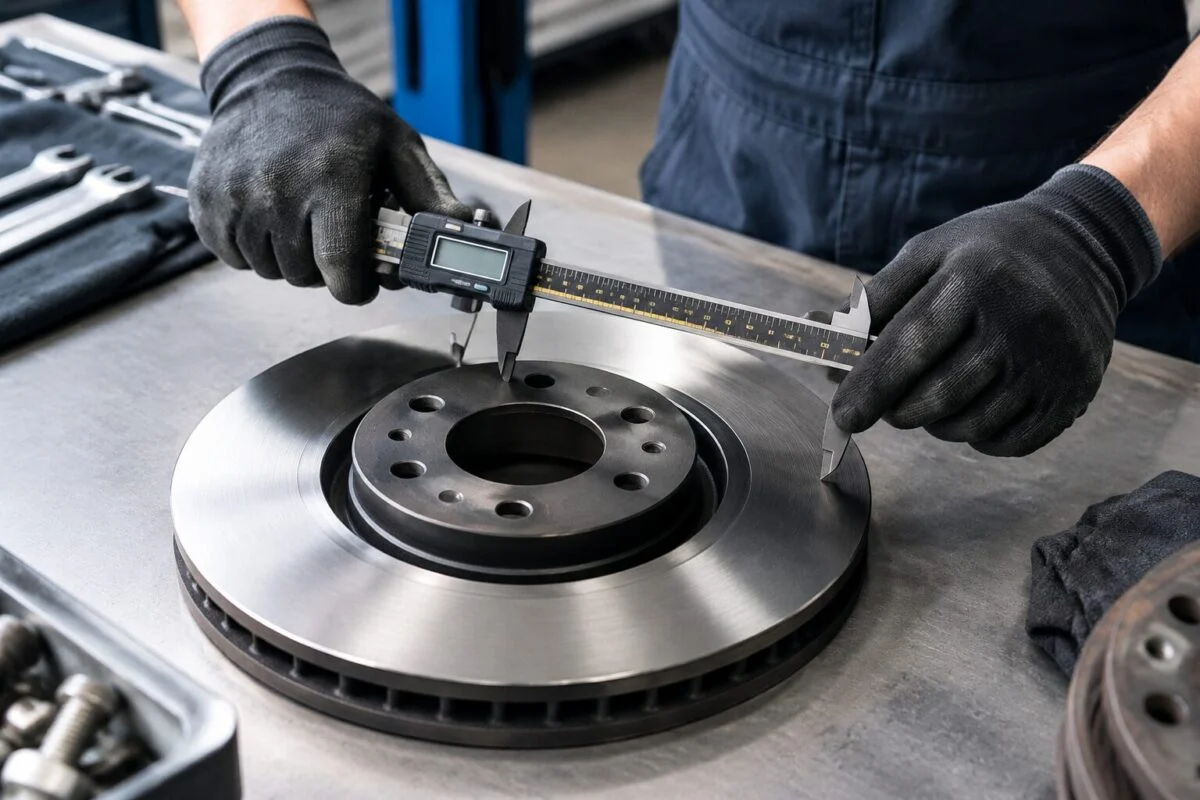
OE Fitment Check
Not sure it fits? Send us the OE number and we'll check it.
Jinan Yoker Auto Parts matches brake discs, drums, radiators, A/C condensers and wheel rims by OE number, vehicle model and year, PCD, ET and CB, so the parts fit before they ship.
- Factory-direct quote within 24 hours
- Free samples before bulk orders
- 10% off first order for new buyers (terms apply)
- Condenser MOQ from 10 PCS
Keep Reading
Related guides on auto parts sourcing
Buying Guide · · 10 min read
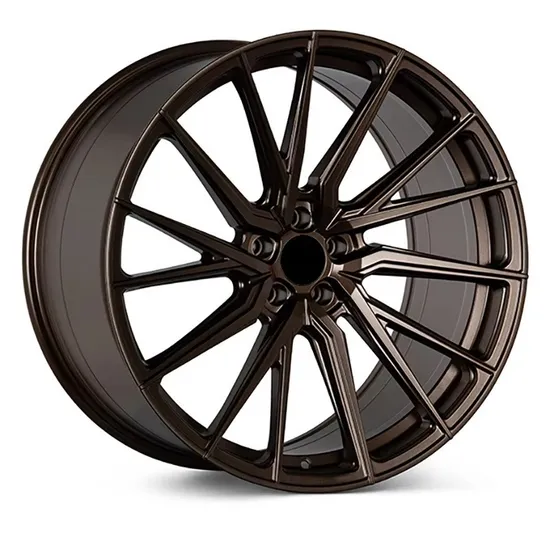
Buy Alloy Wheels Best Price 2026 Wholesale Supplier
Buy Alloy Wheels Best Price 2026 by aligning raw material, process, and volume variables rather than chasing low quotes. Discover how factory-direct sourcing compresses…
Read the Guide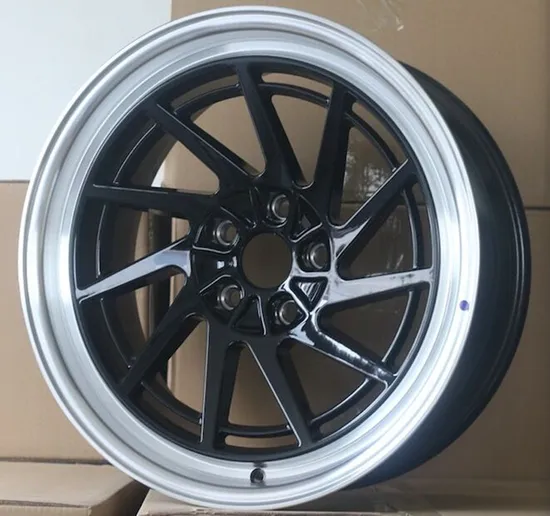
Buying Guide · · 7 min read
Buy Alloy Wheels Wholesale Price | Factory Direct OEM Supplier
Stop guessing your real landed cost when you Buy Alloy Wheels Wholesale Price. Discover how manufacturing processes, MOQ tiers, and hidden certification fees shape…
Read the Guide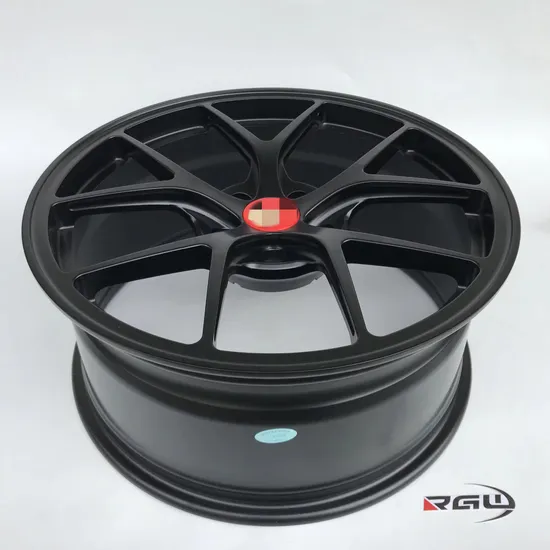
Buying Guide · · 9 min read
Car Rims Price in Ghana: 2026 Wholesale Buyer Guide
Car rims price in Ghana for 2026 wholesale buyers depends on landed costs, not just FOB quotes. This guide breaks down duty structures, finish…
Read the Guide