
Private Label Alloy Wheels: OEM Branding Manufacturer from China
- By author
- Procurement & Trade FAQs
Private Label Alloy Wheels: OEM Branding Manufacturer from China
Private label alloy wheels are not about swapping a logo—they are about matching certification files, packaging markings, and customs codes with surgical precision.
Sourcing private label alloy wheels from China requires a supplier who aligns DOT, VIA, TÜV, or ECE certification documents with your target market’s import regulations, prepares packaging that passes port inspections, and provides a complete customs documentation package before the container leaves the factory floor. Any gap in this chain means the entire shipment sits at the destination port, burning demurrage fees while your seasonal window closes. [NEED_CITE: customs detention causes for automotive wheel imports]
I have been running the wheel business out of Jinan for a long stretch, traveling from the Canton Fair floors to the SEMA Show aisles in Las Vegas. Early on, a California-based modification shop client fell in love with one of our BBS-style replicas and wanted it under their own brand, shipped to Los Angeles before the holiday rush. I focused entirely on production schedules and unit pricing, but the packaging markings and DOT certificate copies were not prepared to US Customs standards. The container hit Long Beach and got flagged immediately. The client missed the entire Christmas selling season, and nearly lost the account. That single container taught me more than any trade show brochure ever could: OEM branding is a documentation game first and a manufacturing game second.
Since then, I have watched buyers across multiple regions repeat variations of the same mistake. Let me walk through what actually matters when you source private label alloy wheels from a Chinese factory.
What Documents Are Required for Private Label Alloy Wheels Import?
Every target market demands a specific set of certification documents, and the markings on the wheel itself plus the outer packaging must mirror those documents exactly. A private label alloy wheels shipment without matching paperwork is not a shipment—it is a liability at the port of entry.
The certification landscape breaks down by region, and each has its own governing body and marking requirements:
| Market | Mandatory Certification | Marking Requirement | Documentation Package |
|---|---|---|---|
| United States | DOT (Department of Transportation) | DOT code on wheel rim + outer carton label | DOT test report, compliance letter, commercial invoice with HS code |
| European Union | VIA / TÜV / ECE | ECE approval number engraved + carton marking | Certificate of Conformity, test reports, packing list with origin declaration |
| Middle East (GCC) | GCC Conformity Certificate | G-Mark or SASO mark on product | Certificate of Conformity, commercial invoice legalized by chamber of commerce |
| Brazil | INMETRO | INMETRO seal on wheel + packaging | INMETRO registration copy, Portuguese-language labeling |
| Japan / Select Asian Markets | JWL | JWL stamp on inner rim | JWL test certificate, origin form |
[NEED_CITE: wheel import certification requirements by destination country]
A distributor from the Middle East once placed a full container order with exclusive territory packaging requirements. The negotiation covered the wheel design, the custom center cap, and the branded carton artwork. What almost derailed the deal was the legalization chain for the GCC conformity certificate—the documents needed to be notarized and stamped by the local chamber of commerce before the bill of lading could be processed. We walked through that chain step by step, and the first container cleared Jebel Ali without a single hold-up. The lesson: the certificate itself is only half the battle; the authentication trail is the other half.
The risk清单 for documentation is short but unforgiving: missing test reports, mismatched HS codes between invoice and packing list, absent origin declarations, and packaging that lacks the required certification markings. Any one of these triggers a customs hold.
How to Choose the Right OEM Wheel Supplier in China?
The right private label alloy wheels supplier is identified by the breadth of their certification portfolio, their depth of OEM branding experience, and the completeness of their export documentation package—not by who quotes the lowest unit price.
When I evaluate a factory visit, I look at three things in this order: the certification wall, the branding sample shelf, and the document archive. The certification wall tells me which markets the factory can legally serve. The branding shelf shows me whether they have actually executed custom center caps, engraved logos, and branded packaging for real clients. The document archive reveals whether they understand what a customs broker at the other end actually needs.
[NEED_CITE: evaluation criteria for alloy wheel OEM suppliers]
A modification shop buyer from the US West Coast came to us needing a staggered fitment set in a custom gunmetal finish, with his shop’s logo on the center cap and a specific box design for retail shelf display. He had previously worked with a factory that could produce the wheel but could not source the correct center cap diameter or print the box in the right Pantone shade. We matched the fitment data to his vehicle coverage list, produced the center cap from his vector file, and delivered the packaging mock-up for his approval before the production run started. The entire process—from first sample to container loading—took a standard production cycle, and the wheels arrived at his dock ready for retail.
The key differentiators between a capable private label alloy wheels manufacturer and a basic wheel factory include:
- Certification coverage: Can the factory supply DOT, VIA, TÜV, JWL, and CCC documentation from a single production line, or do you need multiple suppliers for different markets?
- Branding execution depth: Does the factory handle custom engraving, center cap tooling, color matching, and packaging design in-house, or do they outsource and add lead time?
- MOQ flexibility: Can the factory accommodate a test order of a few pieces per SKU for market validation, or do they require full-container minimums before the first shipment?
- Documentation readiness: Does the factory provide a pre-shipment document package that your customs broker can review before the vessel departs?
Price is always a conversation, but the real cost of choosing the wrong supplier is measured in port delays, rejected containers, and lost seasonal inventory—not in the per-piece quote.
What Is the Real Cost Structure of Private Label Wheels?
The factory invoice is only the visible layer of cost; mold fees, certification allocation, custom packaging, and customs compliance form the hidden cost base that determines whether a private label alloy wheels program is actually profitable.
Most buyers focus on the per-piece price and assume that is the total cost. It is not. The true cost structure has four layers:
Layer One: Tooling and Mold Costs. Custom designs require dedicated molds. The mold cost is a fixed upfront investment, and it only makes economic sense when amortized across a sufficient production volume. For a private label alloy wheels program with a unique design, the mold cost is real and non-negotiable.
Layer Two: Certification Allocation. If your target market requires DOT or TÜV certification and the factory does not already hold it for that specific wheel design, the certification testing cost must be allocated across your order. For a single-SKU test order, this allocation can be significant. For a multi-SKU production run, the per-piece impact drops substantially.
[NEED_CITE: cost breakdown of wheel certification and testing]
Layer Three: Packaging and Branding. Custom center caps, engraved logos, Pantone-matched paint finishes, and retail-ready packaging all add cost. An e-commerce seller shipping individual wheels through Amazon FBA needs packaging that survives the fulfillment center conveyor and meets Amazon’s prep requirements. That packaging costs more than a standard export carton, but it prevents damage claims and return fees that would erase any packaging savings.
Layer Four: Customs Compliance and Documentation. This is the layer that catches buyers off guard. A missing certificate, a mismatched HS code, or an incorrect country-of-origin marking generates demurrage fees at the port that can multiply the original shipping cost many times over. The compliance cost is small relative to the total shipment value, but the penalty for getting it wrong is catastrophic.
An Amazon seller in the US started with a test order of a single SKU in a popular fitment size. The packaging was designed to Amazon’s specification, the fitment data was loaded into the listing, and the private label alloy wheels arrived at the FBA warehouse without a single inbound issue. The return rate stayed low because the packaging protected the product through the fulfillment chain, and the reorder cycle began within a standard selling season. The per-piece cost was higher than a bulk wholesale quote, but the total program cost—including returns, storage fees, and customer complaints—was far lower than a cheaper alternative with inadequate packaging.
How to Avoid Port Delays and Customs Rejection?
Port delays and customs rejections for private label alloy wheels are almost entirely preventable through pre-shipment document review and packaging sample approval before the container is sealed.
The pattern I have seen across multiple markets is consistent: the problem is never the wheel itself. The wheel passes quality inspection. The problem is the paper trail and the markings on the outside of the box. Customs officers do not open every container, but when they flag a shipment for inspection, they check three things first: the certification markings on the product, the labeling on the outer packaging, and the consistency of the commercial documentation.
[NEED_CITE: customs inspection procedures for automotive wheel imports]
A buyer in Latin America received a container that was held at the port for an extended period because the HS code on the commercial invoice did not match the product description on the packing list. The wheels were correct, the certificates were valid, but the paperwork had a clerical inconsistency that triggered a manual review. The demurrage fees accumulated daily, and the buyer’s end customers were left waiting. The root cause was not a regulatory violation—it was a document mismatch that could have been caught in a pre-shipment review.
The preventive protocol is straightforward:
- Document pre-shipment review: Send the complete document package—commercial invoice, packing list, certificates of origin, test reports, and compliance letters—to your customs broker before the vessel departs. The broker confirms that every field is consistent and complete.
- Packaging sample approval: Require the factory to produce a physical packaging sample with all markings, labels, and certification codes applied exactly as they will appear on the production units. Approve this sample in writing before mass production begins.
- HS code verification: Confirm that the HS code used on the commercial invoice matches the classification used by your customs broker for the specific wheel type and material.
- Certificate validity check: Verify that all certification documents are current, cover the specific wheel design being shipped, and are issued by an accredited testing body recognized by the destination country.
When these steps are followed, the container clears customs as routine cargo. When they are skipped, even a perfect wheel becomes a port liability.
Conclusion
Private label alloy wheels sourcing succeeds or fails on documentation precision, not production capability. Certification alignment, packaging compliance, and customs code accuracy form the foundation of a profitable import program. Choose a manufacturer whose export documentation package is as rigorous as their production quality control, and the wheels will move through the port as smoothly as they roll off the assembly line.
Related Applications
Parts in This Article
Products mentioned above
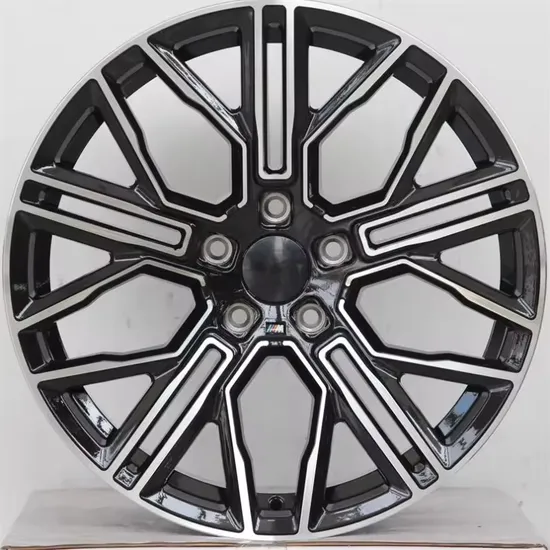 01
WHEEL RIM/HUB
19inch Car Aluminum Alloy Wheel PCD5*120 Aftermarket Sale
View Specifications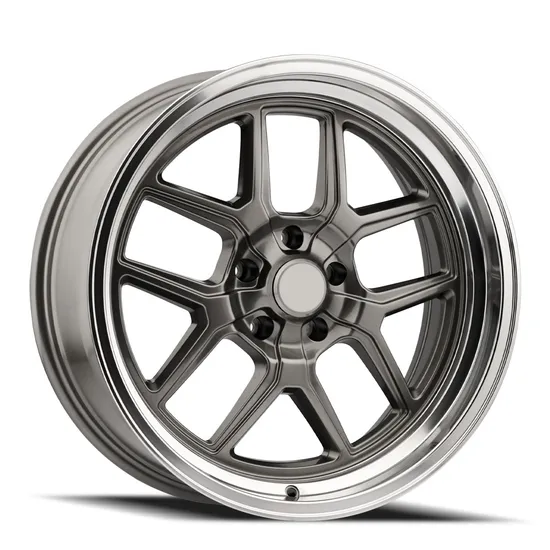 02
WHEEL RIM/HUB
19-Inch 5X120 PCD Et35 Custom Alloy Wheels for Performance
View Specifications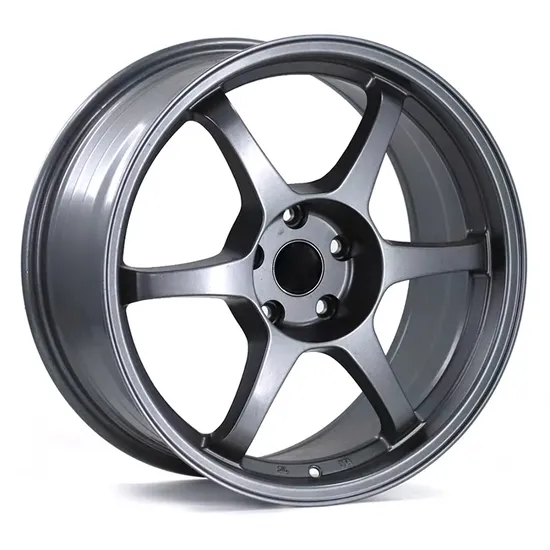 03
WHEEL RIM/HUB
Flow Form Rims 15X6.5 4Holes 6Spokes Lightweight Racing Alloy Wheels
View Specifications 04
WHEEL RIM/HUB
20 22 Inch 5 Hole 120 Luxury Car Alloy Wheels Rim
View Specifications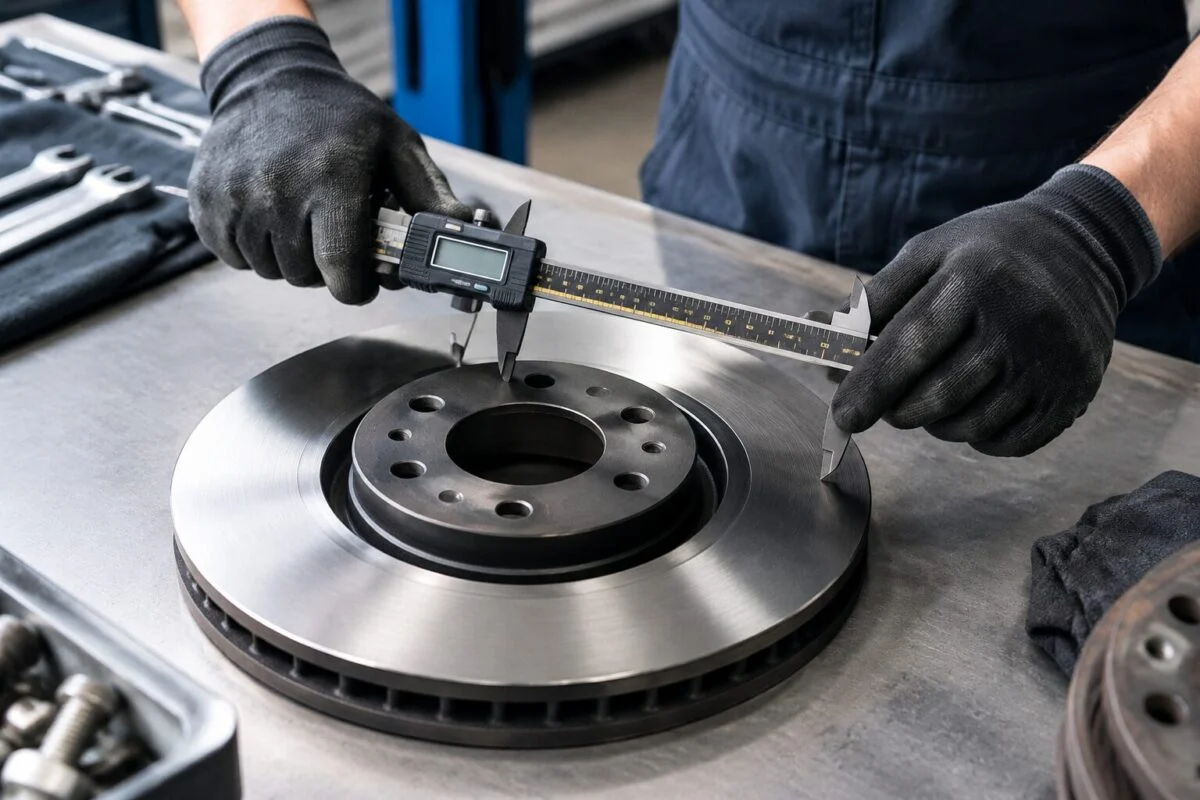
OE Fitment Check
Not sure it fits? Send us the OE number and we'll check it.
Jinan Yoker Auto Parts matches brake discs, drums, radiators, A/C condensers and wheel rims by OE number, vehicle model and year, PCD, ET and CB, so the parts fit before they ship.
- Factory-direct quote within 24 hours
- Free samples before bulk orders
- 10% off first order for new buyers (terms apply)
- Condenser MOQ from 10 PCS
Keep Reading
Related guides on auto parts sourcing
Procurement & Trade FAQs · · 8 min read
Container Load Deal for Alloy Wheel Distributors – Wholesale Supplier
Optimize your container load alloy wheels strategy to stop hidden freight costs from destroying margins. Calculate true landed cost per wheel using actual loaded…
Read the Guide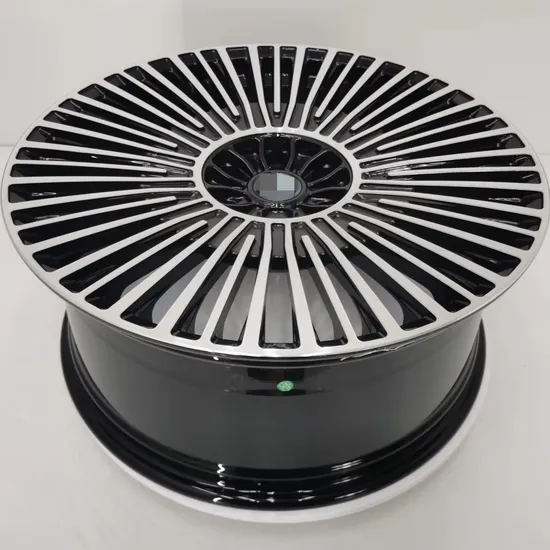
Procurement & Trade FAQs · · 11 min read
24-Hour Alloy Wheel Quotation from Yoker Factory
Get a binding alloy wheel quotation within 24 hours by submitting complete specifications upfront. This guide reveals how parallel technical and commercial workflows eliminate…
Read the Guide
Procurement & Trade FAQs · · 6 min read
How to Speed Up OEM Wheel Sample Approval from China Manufacturers Without Cutting Tests
OEM Wheel Sample Development: Prototype Testing and Approval Process for China Auto Part Manufacturers Faster sample approval does not require cutting mandatory testing steps.…
Read the Guide