
OEM Replica vs Aftermarket Design Wheels Wholesale Supplier
- By author
- Brands & Alternatives
OEM Replica vs Aftermarket Design Wheels Wholesale Supplier
Replica wheels are not simply cheaper OEM parts — they are precision copies where mold accuracy and material batch consistency dictate fitment, while aftermarket design wheels prioritize structural innovation over factory-original dimensions.
The core difference lies in engineering intent: OEM replica wheels replicate factory specifications down to center bore tolerance and offset, whereas aftermarket design wheels explore new spoke geometries and finish options. This distinction directly affects batch consistency, certification coverage, and ultimately, your ability to clear customs and avoid end-user complaints.
I still remember a full container of 18-inch replica wheels headed to Dubai that got held up at the port because the center bore measurements on the packing list did not match the physical product by a fraction of a millimeter. The shipment sat for weeks, and the demurrage charges alone wiped out a meaningful portion of the order margin. That kind of error does not happen because someone picked the wrong product category — it happens because the production facility did not control mold tolerances tightly enough across the batch [NEED_CITE: center bore tolerance standards per SAE J2530]. When you source from an OEM replica vs aftermarket design wheels wholesale supplier, understanding which parameters matter for your market is the difference between a smooth delivery and a financial headache.
Let me break down what actually separates these two product types on the warehouse floor and in the field.
What Exactly Is the Difference Between OEM Replica and Aftermarket Design Wheels?
OEM replica wheels are engineered to match original equipment dimensions and visual details, while aftermarket design wheels introduce new aesthetic and structural concepts that deviate from factory specifications.
The manufacturing logic behind each type shapes everything downstream. Replica production starts with reverse-engineering an existing OEM wheel — measuring every contour, replicating the spoke pattern, matching the center bore diameter, and duplicating the offset. The goal is visual and dimensional fidelity. Aftermarket design wheels start from a blank slate or a modified concept — the engineering team prioritizes weight reduction, spoke thickness for brake clearance, or a specific visual statement like deep concave profiles.
From a sourcing perspective, this means the quality control checkpoints differ. Replica wheels are judged against how closely they match the original blueprint. Aftermarket wheels are judged against their own engineering targets and safety certifications. Neither approach is inherently superior, but mixing them up during procurement creates problems.
A distributor in the Middle East once ordered what they believed were exact replicas of a popular European sedan wheel. The visual match was close, but the center bore was machined to a slightly different diameter. The wheels physically fit the hub, but the hub-centric ring specification on the packaging was wrong, leading to vibration complaints from end users who installed them without aftermarket rings [NEED_CITE: hub-centric vs lug-centric fitment vibration analysis]. The return rate on that SKU climbed noticeably, and the distributor had to relabel the entire remaining inventory.
| Dimension | OEM Replica Wheels | Aftermarket Design Wheels |
|---|---|---|
| Design Origin | Reverse-engineered from OEM | Original concept or modified platform |
| Center Bore Priority | Exact match to vehicle spec | May vary; often requires adapter rings |
| Offset Range | Narrow — matches factory | Wide — engineered for stance or brake clearance |
| Mold Lifecycle | High initial cost, stable long-term | Moderate cost, updated frequently for new styles |
| Batch Consistency | Controlled through OEM reference data | Controlled through internal engineering specs |
The takeaway is straightforward: if your customers expect factory-original fitment without modification, replica is the correct choice. If your customers want visual differentiation and are willing to use adapter rings or accept staggered fitments, aftermarket design wheels offer more flexibility.
How Do Fitment Tolerances Compare — Center Bore, PCD, and Offset?
OEM replica wheels maintain tighter center bore and PCD tolerances because their reference data is fixed, while aftermarket design wheels allow broader offset variation but require batch-level PCD verification.
Fitment is where the theoretical difference between replica and aftermarket becomes a practical sourcing concern. Three parameters dominate: center bore diameter, bolt pattern (PCD), and offset (ET).
Center bore tolerance on replica wheels is typically controlled to match the vehicle hub within a narrow band. The production facility uses the OEM wheel as a physical reference during mold validation, and machining centers are calibrated to that specific diameter. Aftermarket wheels may use a larger center bore to fit multiple vehicle platforms, relying on hub-centric rings to fill the gap. This approach reduces SKU count for the supplier but shifts fitment responsibility to the installer.
PCD consistency is where batch verification matters most. A single drill pattern error across a production run means every wheel in that batch is unusable for the intended vehicle. Replica manufacturers lock PCD to the OEM specification and verify it with go/no-go fixtures at the machining stage. Aftermarket manufacturers may offer multi-drill patterns (such as 4×100 and 4×114.3 on the same wheel), which introduces additional machining steps and additional failure points [NEED_CITE: multi-drill wheel PCD tolerance inspection methodology].
| Fitment Parameter | OEM Replica | Aftermarket Design |
|---|---|---|
| Center Bore Control | Tight — single vehicle target | Broad — may require rings |
| PCD Verification | Fixed fixture, batch-locked | Multi-drill options increase complexity |
| Offset Flexibility | Limited to factory range | Wide range for customization |
| Hub-Centric Requirement | Usually hub-centric by design | Often lug-centric or ring-dependent |
An e-commerce seller in South America learned this the hard way. They mixed replica and aftermarket SKUs in the same warehouse bin because the visual style looked similar. When orders shipped, the aftermarket wheels had a different PCD than what the listing specified. The return rate on that batch spiked, and the cost of reverse logistics — shipping, inspection, restocking — erased the margin on the entire quarter.
The lesson for buyers: request fitment data sheets per batch, not per catalog listing. A reliable OEM replica vs aftermarket design wheels wholesale supplier will provide batch-specific PCD and center bore verification records, because even small deviations compound across a full container.
Which One Lasts Longer — Finish Durability and Structural Testing?
Finish durability depends on coating process and curing protocol, not on whether the wheel is replica or aftermarket; structural integrity depends on certification level and testing standard compliance.
Buyers often assume that replica wheels have inferior paint or powder coat because they are positioned at a lower price point. The reality is more nuanced. Surface finish quality is determined by pretreatment chemistry, primer application, topcoat thickness, and oven curing time and temperature. A production facility running a controlled coating line can produce finishes on replica wheels that match or exceed aftermarket alternatives.
Salt spray resistance is the standard benchmark for finish durability. Wheels intended for harsh climates or coastal markets need extended salt-spray endurance. The difference between a basic clear coat and a multi-layer UV-stable powder coat shows up in field performance after multiple seasons of exposure [NEED_CITE: automotive wheel coating durability test methods per ASTM B117].
Structural testing is where certification matters more than visual category. Both replica and aftermarket wheels can pass the same radial fatigue and impact tests — but only if the manufacturer submits them for testing. The key certifications include:
- JWL/VIA — Required for Japan-market wheels; includes radial fatigue, dynamic balance, and impact testing
- DOT — Required for US-market wheels; focuses on material and structural integrity
- TÜV — Required for many European markets; includes dimensional, structural, and material verification
- ISO/TS 16949 — Quality management system certification for automotive production
| Testing Dimension | Replica Wheels | Aftermarket Wheels |
|---|---|---|
| Coating Process | Varies by facility | Varies by facility |
| Salt Spray Endurance | Facility-dependent | Facility-dependent |
| Radial Fatigue Test | Certified units pass to standard | Certified units pass to standard |
| Impact Test Compliance | Depends on certification target | Depends on certification target |
| Material Traceability | Batch-controlled in certified facilities | Batch-controlled in certified facilities |
A tuning shop in North America received complaints about clear coat bubbling on a set of aftermarket design wheels installed on vehicles in a coastal region. Investigation revealed the coating line at the production facility had inconsistent curing temperatures during that production window. The issue was not the wheel design — it was the process control. The supplier replaced the affected batch and upgraded their oven monitoring protocol, but the shop lost customer trust on that specific SKU.
When evaluating an OEM replica vs aftermarket design wheels wholesale supplier, ask for coating process documentation and certification test reports, not just marketing claims. The test reports are verifiable; the marketing claims are not.
What Certifications Matter for Your Target Market?
Certification requirements are market-specific, not product-specific — choosing the wrong certification means your shipment cannot clear customs regardless of wheel quality.
This is the area where buyers make the most expensive mistakes. A wheel that is perfectly legal and well-made for one market may be completely unsellable in another because it lacks the required certification mark.
The major certification frameworks by region include:
- Middle East (GCC countries): SASO and GCC conformity marks are required for customs clearance. Wheels without these marks face rejection at the port.
- North America (US and Canada): DOT compliance is mandatory. The manufacturer must maintain test records and be able to produce them upon request.
- Japan: JWL and VIA marks are required. These involve specific testing protocols and factory audits.
- Europe: TÜV certification is the primary requirement, though individual countries may have additional national marks.
- China domestic: CCC certification is required for wheels sold within the Chinese market.
| Market | Primary Certification | Secondary Requirements |
|---|---|---|
| Middle East (GCC) | SASO / GCC mark | Country-specific import permits |
| North America | DOT | State-level registration in some cases |
| Japan | JWL / VIA | Factory audit records |
| Europe | TÜV | National type approval in some countries |
| Southeast Asia | Varies by country | Local import licensing |
A wholesale buyer in Latin America ordered a large quantity of replica wheels from a supplier who claimed full certification coverage. The wheels arrived with CCC marking but without the specific certification required by the destination country. The customs authority held the shipment, and the buyer faced the choice of paying for re-certification (which was not possible without factory cooperation) or scrapping the entire order. The financial loss was substantial.
Before placing any order, confirm the exact certification marks required by your destination market and verify that the OEM replica vs aftermarket design wheels wholesale supplier can produce valid, current test reports for those specific marks. Do not accept verbal assurances — request copies of the certificates and cross-check the manufacturer name and product specifications.
How to Choose the Right Type for Your Business Model?
Wholesale distributors benefit from replica wheel consistency, tuning shops benefit from aftermarket design differentiation, and e-commerce sellers need both categories to test market response.
Your business model determines which wheel type makes sense for your operation. Each model has different priorities around inventory risk, customer expectations, and margin structure.
Bulk distributors and wholesalers need batch consistency, predictable lead times, and documentation that supports smooth customs clearance. Replica wheels, with their fixed specifications and established production processes, reduce the variables that cause shipment delays. The key is sourcing from a facility that controls mold maintenance and machining calibration across production runs.
Tuning shops and modification specialists serve customers who want visual uniqueness and performance-oriented designs. Aftermarket wheels offer the style variety these customers expect — deep concave profiles, mesh patterns, multi-spoke designs, and custom finish options. The trade-off is that fitment verification becomes more critical, because aftermarket wheels may not match every vehicle without adapter components.
E-commerce sellers operate in a test-and-scale environment. They need low minimum order quantities to test new SKUs, reliable fitment data to reduce returns, and packaging that meets platform requirements. A mixed strategy — stocking proven replica designs for volume sales and trending aftermarket designs for margin — often works best.
| Business Model | Primary Wheel Type | Key Sourcing Priority |
|---|---|---|
| Bulk Wholesale | OEM Replica | Batch consistency, certification |
| Tuning Shop | Aftermarket Design | Style variety, low MOQ |
| E-Commerce | Both | Fitment data accuracy, packaging |
| OEM Vehicle Production | OEM Replica | Long-term supply agreement, certification |
| Tire Shop / Retailer | Both | Popular fitments, restocking reliability |
A distributor operating across multiple regions found success by segmenting their catalog: replica wheels for markets where factory-original appearance is preferred, and aftermarket designs for markets where customization drives purchasing decisions. They worked with a production facility that maintained both product lines under one roof, which simplified quality control and documentation management.
The critical factor is choosing an OEM replica vs aftermarket design wheels wholesale supplier who can support both product types with consistent quality control, valid certifications, and flexible order quantities. Production capacity, certification coverage, and documentation reliability matter more than unit price when you calculate total landed cost including returns, rework, and customs delays.
Conclusion
OEM replica and aftermarket design wheels serve different market needs, and selecting the right type requires understanding fitment tolerances, finish durability, certification requirements, and your specific business model. Replica wheels offer dimensional consistency for markets demanding factory-original specifications, while aftermarket wheels provide design flexibility for customization-focused buyers. Certification compliance is non-negotiable for customs clearance, and batch-level verification protects your margin from returns and delays. Source from a supplier who can demonstrate process control across both product categories, and your procurement decisions will reflect market reality rather than assumptions.
Related Applications
Parts in This Article
Products mentioned above
 01
WHEEL RIM/HUB
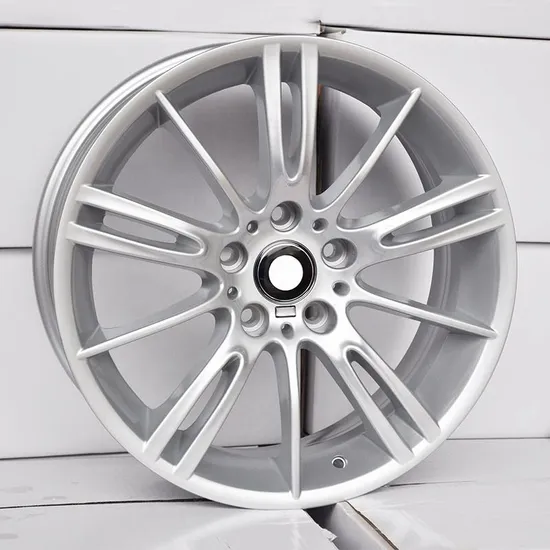
18 Inch 5X120 Alloy Wheel Rims OEM Replica Wholesale
View Specifications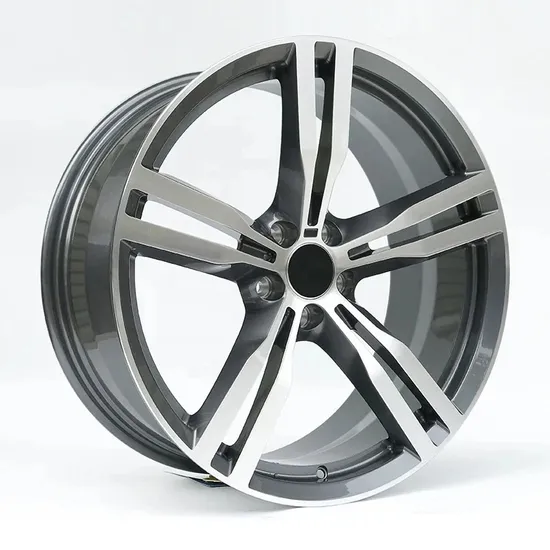 02
WHEEL RIM/HUB
19 20 Inch High Quality Spoke Passenger Car Wheels OEM Replica Rims
View Specifications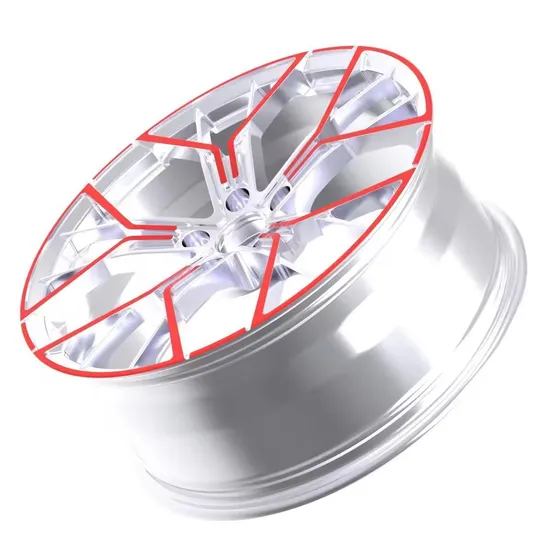 03
WHEEL RIM/HUB
Replica 17-18 Inch OEM-Style Car Alloy Wheels Rims
View Specifications 04
WHEEL RIM/HUB
China Alloy Car Rim OEM 4WD Replica Wheels Factory
View Specifications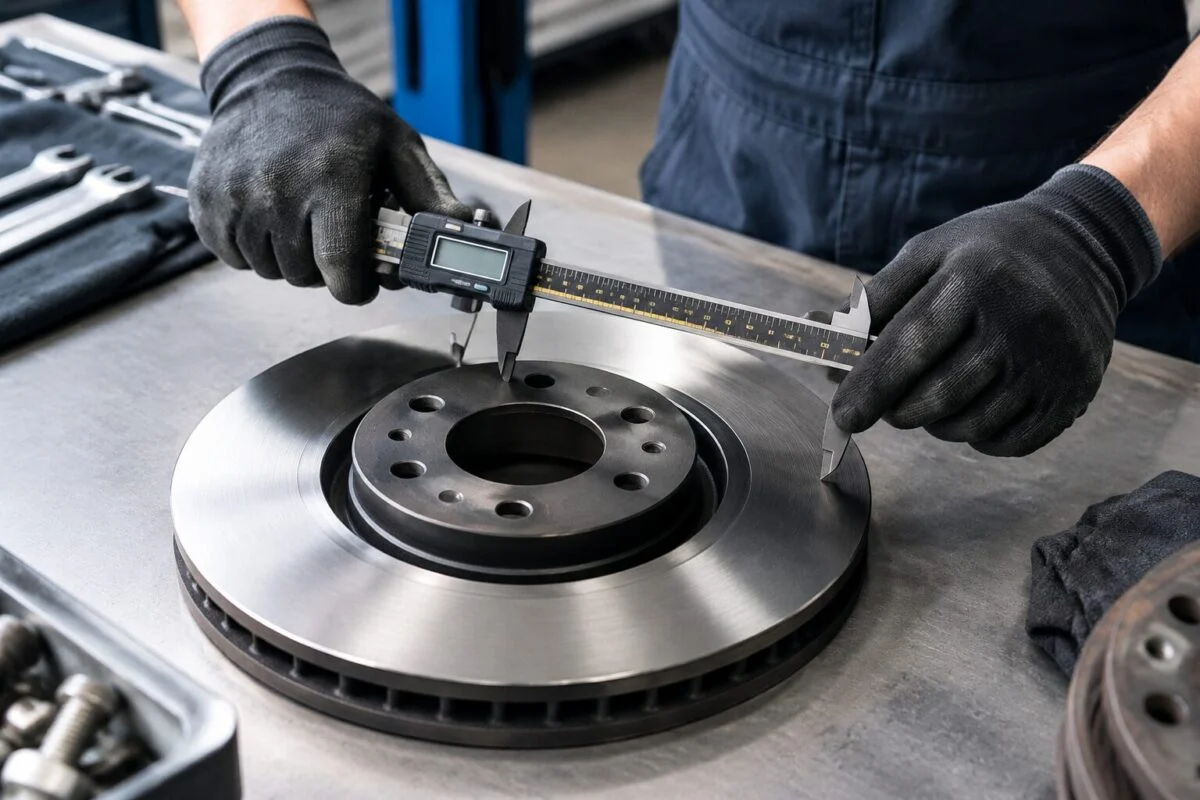
OE Fitment Check
Not sure it fits? Send us the OE number and we'll check it.
Jinan Yoker Auto Parts matches brake discs, drums, radiators, A/C condensers and wheel rims by OE number, vehicle model and year, PCD, ET and CB, so the parts fit before they ship.
- Factory-direct quote within 24 hours
- Free samples before bulk orders
- 10% off first order for new buyers (terms apply)
- Condenser MOQ from 10 PCS
Keep Reading
Related guides on auto parts sourcing
Brands & Alternatives · · 8 min read
Full Chrome vs Chrome Lip Wheels Wholesale Supplier for Bulk OEM
Deciding between full chrome vs chrome lip wheels requires analyzing masking labor, regional demand, and moisture-controlled packaging rather than aesthetics alone. Full chrome suits…
Read the Guide
Brands & Alternatives · · 10 min read
Chinese Replica Wheels vs OEM: Wholesale Supplier Guide
Chinese replica wheels vs OEM differences extend beyond price to certification depth and material traceability. Avoid costly customs delays by verifying supplier credentials and…
Read the Guide