
Alloy Wheels Price in USA: 2026 Wholesale Supplier Guide
Size alone does not set the price—process, certification, and hidden fees do.
The real wholesale cost of alloy wheels in the US market is driven by four factors: rim diameter, manufacturing process (casting vs flow-forming vs forging), certification requirements (DOT/VIA/TÜV), and minimum order quantity. Understanding this cost structure matters far more than chasing the lowest per-piece quote, because hidden charges like tooling fees, certification amortization, and packaging upgrades routinely inflate the actual landed price well beyond the initial FOB number.
I remember standing in a Houston warehouse years ago, watching a regional distributor flip through three supplier quotations side by side. The cheapest quote looked irresistible—until we opened the fine print together. No DOT stamp, no VIA paperwork, tooling costs billed separately after the first order, and packaging that would never survive Amazon FBA inbound inspection. That single afternoon reshaped how I evaluate every alloy wheel supplier conversation: the invoice number on the screen is rarely the number that hits your warehouse floor. [NEED_CITE: cost composition breakdown per SEMA aftermarket supply chain reports]
Let me walk you through what actually moves the price tag, where the traps hide, and how to read a quotation the way an experienced buyer does.
What Determines Alloy Wheel Wholesale Prices in 2026?
Base pricing follows a clear hierarchy: diameter sets the aluminum baseline, process multiplies the labor and equipment cost, certification adds compliance overhead, and MOQ determines whether you pay a premium or earn a discount.
When a Texas tuning shop owner asked me why a 20-inch deep concave wheel cost noticeably more than a 17-inch mesh design of similar visual complexity, the answer was not just about raw material weight. The 20-inch blank requires a larger casting mold, longer heat treatment cycles, and more machining time on the lathe. But here is what most buyers miss: switching from gravity casting to flow-forming on that same 20-inch design adds a meaningful cost layer—not because the aluminum is more expensive, but because the spinning process demands specialized equipment and slower throughput. Move to full forging, and the price jumps again, substantially, because the press tonnage and die life amortization operate on a completely different scale. [NEED_CITE: aluminum alloy wheel manufacturing process cost comparison by Aluminum Association]
Certification is the variable that catches first-time importers off guard. A wheel rolling out of the factory without any compliance marking costs less than one carrying a DOT registration, and significantly less than one holding both DOT and VIA certification with TÜV paperwork for European resale. The certification fee itself is a one-time or annual expense, but suppliers amortize it across order volume—meaning a small buyer pays a much higher per-piece certification cost than a buyer placing container-scale orders.
And then there is the MOQ question, which I will unpack in detail later. For now, understand this: the quoted unit price at twenty pieces and the quoted unit price at five hundred pieces can differ dramatically, and the crossover point where bulk pricing truly activates is higher than most new buyers expect.
Alloy Wheel Price Matrix: Size vs Process vs Finish
The intersection of diameter, manufacturing method, and surface treatment creates the actual price range—finish complexity often outweighs size in cost impact.
Let me lay this out the way I do when a buyer sits across from me with a spec sheet. The table below shows how these three variables interact. Prices are expressed as relative tiers rather than exact dollar figures, because aluminum commodity prices, exchange rates, and energy costs shift regularly. What matters is the directional relationship.
| Diameter | Gravity Casting | Flow-Forming | Forging |
|---|---|---|---|
| 15-17 inch | Entry tier | Moderate tier | Premium tier |
| 18-20 inch | Moderate tier | Moderate-to-high tier | High tier |
| 21-24 inch | Moderate-to-high tier | High tier | Top tier |
Now here is the counterintuitive part. A 19-inch wheel in gloss black with a simple machined face can cost less than a 17-inch wheel requiring a multi-color painted face with a chrome lip insert. Why? Because surface treatment complexity drives labor hours, masking steps, and rejection rates far more than a two-inch diameter increase drives aluminum weight. [NEED_CITE: surface finishing cost drivers in automotive wheel production per industry manufacturing benchmarks]
I worked with a Los Angeles modification shop that wanted a 20-inch deep concave design in a custom bronze hue with a polished lip. Their initial budget was based on a standard matte black 18-inch wheel quote they had received elsewhere. When we walked through the finishing steps—additional masking for the lip, a separate powder coat stage for the bronze body, hand polishing for the edge—the price made sense. The finish, not the diameter, was the primary cost driver.
A word on finishes that rarely appears in catalog descriptions: hyper silver and brushed titanium-look finishes require tighter process control than standard gloss or matte black. Rejection rates run noticeably higher, and that scrap cost gets built into the unit price. If a supplier quotes you a hyper silver wheel at the same tier as a gloss black, ask which step they are cutting corners on.
Hidden Costs That Inflate Your Real Landed Price
Tooling fees, certification amortization, MOQ penalties, and packaging upgrades are the four cost categories that almost never appear on the first quotation page—but they absolutely appear on your final invoice.
Tooling is the biggest surprise for buyers ordering custom designs. Every new wheel design requires a mold or die. For gravity casting, the mold cost is moderate. For forging, the die cost is substantially higher because forging dies must withstand extreme pressure and are machined from premium steel. Some suppliers quote an attractively low unit price and then present the tooling bill separately. Others amortize tooling into the unit cost but only if you commit to a minimum volume. Either way, the cost exists—ask upfront how it is structured. [NEED_CITE: tooling investment requirements for aluminum wheel manufacturing per industry engineering references]
Certification amortization works similarly. If a supplier holds DOT, VIA, and TÜV certifications, they have paid for testing, factory audits, and annual renewal fees. When you order wheels bearing those marks, you are paying a share of that compliance investment. A supplier quoting a lower price without certifications is not necessarily more efficient—they may simply be passing zero compliance cost to you, which becomes your problem at US customs or when your retail customer asks for proof of regulatory approval.
MOQ penalties deserve their own section, but briefly: ordering below a supplier’s efficient batch size means you pay a higher per-piece price because the production line setup cost gets spread across fewer units. I will detail the real numbers behind this later.
Packaging is the quietest hidden cost. Standard export packaging—wheels stacked with basic cardboard separators—works fine for bulk warehouse delivery. But if you are an Amazon seller needing FBA-compliant individual boxes with foam inserts, or a retail chain requiring branded cartons with specific labeling, the packaging upgrade adds a meaningful per-piece cost that generic quotations omit.
How to Verify Supplier Quotes Without Getting Scammed
Request a full cost breakdown, verify certification originals, compare FOB versus CIF terms carefully, and inspect production samples against mass-production output.
An Amazon seller I worked with once showed me two quotations for the same 18-inch wheel design. One was noticeably cheaper. The cheaper quote had no DOT certification listed, quoted FOB with no mention of inland freight, and specified "standard export packaging." The other quote included DOT registration, offered CIF pricing to a West Coast port, and specified individual poly-bag plus carton packaging ready for FBA inbound. When we calculated the true landed cost—including the cost of obtaining DOT compliance separately, inland trucking, ocean freight, insurance, and repackaging—the "cheaper" quote ended up costing substantially more. [NEED_CITE: import compliance requirements for automotive wheels per US Department of Transportation regulations]
Here is the verification sequence I recommend to every buyer:
First, ask for a cost breakdown that separates the base wheel price, surface treatment cost, certification allocation, tooling amortization (if applicable), and packaging. A reputable alloy wheel supplier will provide this without hesitation. If they cannot or will not break down the quote, that is a signal.
Second, request to see the actual certification documents—not a photocopy of a certificate from another company, but the original test reports and registration numbers tied to the specific wheel design you are ordering. DOT registration can be verified through NHTSA databases. VIA and JWL certifications have their own verification channels. TÜV certification includes a report number that traces back to the testing facility.
Third, compare terms carefully. FOB means you handle ocean freight and insurance from the port of loading. CIF means the supplier covers cost, insurance, and freight to your destination port. The gap between FOB and CIF can be significant depending on current freight rates, and it directly affects your landed cost calculation.
Fourth, always order a pre-production sample before committing to a full container. Then, when mass production arrives, compare it against that sample. I have seen cases where the sample finish was excellent but the mass production run showed color inconsistency across batches—a sign that the supplier cut corners on process control to hit the quoted price.
When Low MOQ Actually Costs You More
Ordering a small trial quantity feels safe, but the per-piece cost at low volume can exceed the total investment of a larger batch—and the breakeven point is higher than most buyers assume.
A modification shop in Florida wanted to test a new 19-inch staggered fitment design. They ordered twenty pieces to evaluate market response. The per-piece price was at the premium tier—understandable, because the production line setup cost was distributed across only twenty units. The wheels sold well. They came back for another twenty. Then another twenty. By the fifth order, they had paid a cumulative premium that would have been entirely avoided with a single five-hundred-piece order. [NEED_CITE: production efficiency and batch size economics in automotive parts manufacturing]
This is the MOQ paradox. Low minimum order quantities exist to help buyers test designs and manage cash flow. They serve that purpose well. But if a design proves viable, continuing to order in small batches means you perpetually pay the small-batch premium. The volume threshold where meaningful per-piece discounts activate is typically around five hundred pieces—below that, the supplier’s production economics simply do not support deep discounting.
The balance point depends on your business model. An e-commerce seller testing a new SKU should absolutely start with a low-MOQ trial. A wholesale distributor who has already validated demand should negotiate volume pricing. A tuning shop rotating inventory seasonally needs to weigh the cost of holding stock against the cost of repeatedly paying small-batch premiums.
There is also an inventory turnover consideration. Buying five hundred pieces of a design that moves slowly ties up capital and warehouse space. Buying fifty pieces at a higher per-piece cost but turning inventory quickly may be more profitable overall. The right answer depends on your sales velocity, not just the unit price on the quotation.
Conclusion
The alloy wheel supplier quotation you read is not the price you pay—the real cost is shaped by process, certification, hidden fees, and order volume working together.
Understanding how diameter, manufacturing method, surface finish, compliance requirements, and MOQ interact gives you the framework to evaluate any quotation critically. Request transparent cost breakdowns, verify certifications independently, and calculate landed cost rather than comparing FOB numbers in isolation. The cheapest quote is rarely the most economical choice once the full picture comes into focus.
Related Applications
Parts in This Article
Products mentioned above
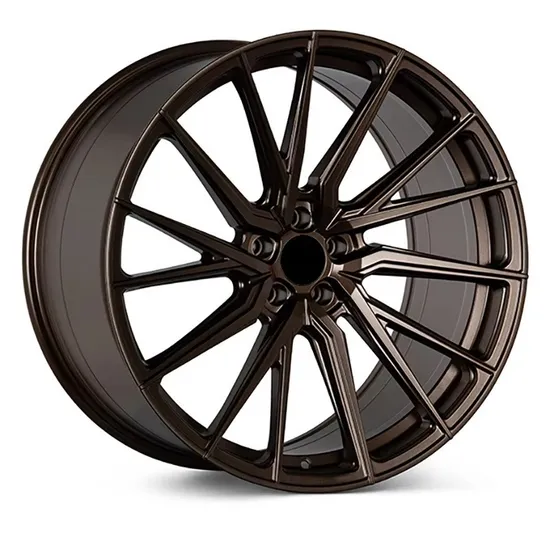 01
WHEEL RIM/HUB
15-17 Inch Aluminum Alloy Car Rims Oy17154 Aftermarket Sale
View Specifications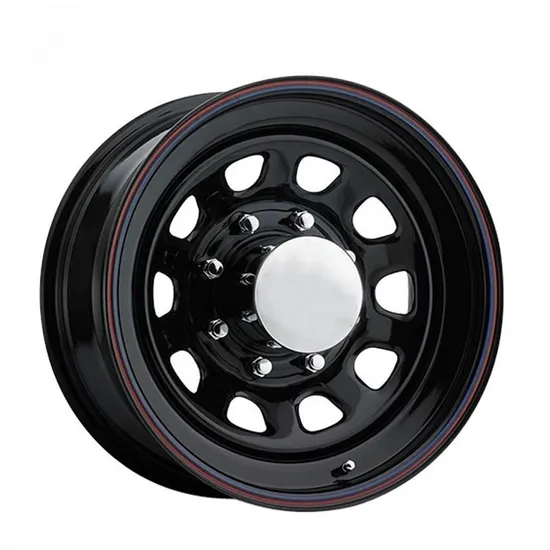 02
WHEEL RIM/HUB
High Quality 15-17 Inch Off-Road 4X4 Steel Alloy Wheels
View Specifications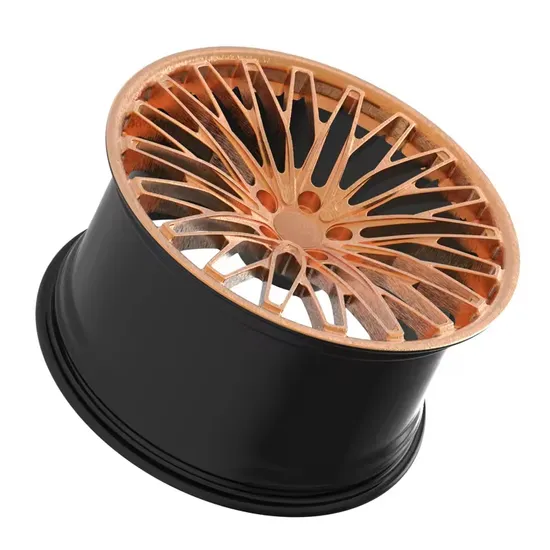 03
WHEEL RIM/HUB
Golden 15-17inch Custom Forged Rims for Vehicles
View Specifications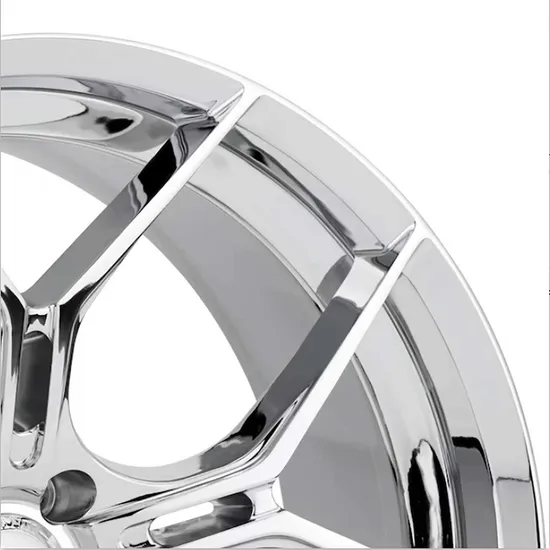 04
WHEEL RIM/HUB
Forged Alloy Wheel Rims 15-17 Inches Car Hub Auto Parts
View Specifications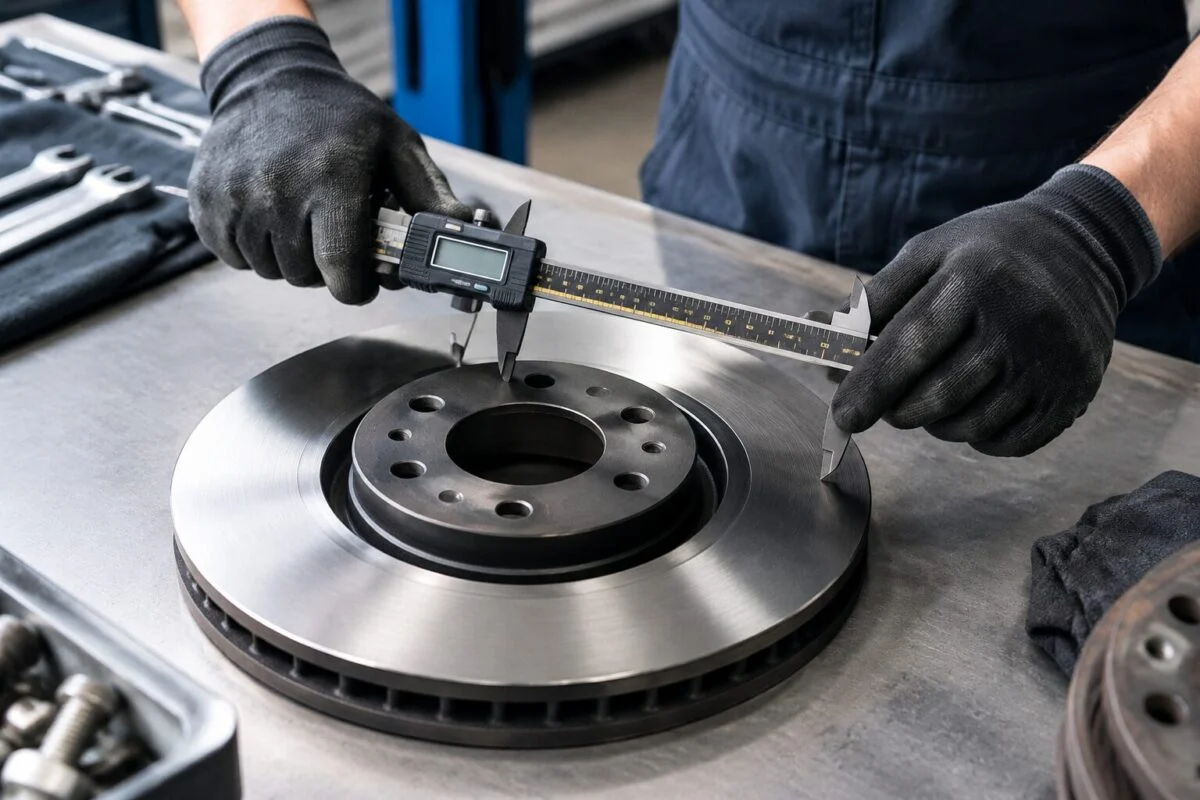
OE Fitment Check
Not sure it fits? Send us the OE number and we'll check it.
Jinan Yoker Auto Parts matches brake discs, drums, radiators, A/C condensers and wheel rims by OE number, vehicle model and year, PCD, ET and CB, so the parts fit before they ship.
- Factory-direct quote within 24 hours
- Free samples before bulk orders
- 10% off first order for new buyers (terms apply)
- Condenser MOQ from 10 PCS
Keep Reading
Related guides on auto parts sourcing
Buying Guide · · 10 min read
Alloy Wheels Price in UK: 2026 Wholesale Supplier Guide
Navigate the 2026 alloy wheels price UK market by understanding how surface finish and certification drive costs more than diameter. Discover why factory-direct sourcing…
Read the Guide
Buying Guide · · 13 min read
Alloy Wheels Price in Canada: 2026 Wholesale Supplier Guide
Stop relying on low FOB quotes that hide hidden costs. This 2026 guide breaks down the real alloy wheels price Canada buyers pay, covering…
Read the Guide
Buying Guide · · 11 min read
Buy SUV Alloy Wheels: China Factory Direct Wholesale Supplier
Buy SUV Alloy Wheels China Factory Direct by verifying PCD and ET offset from original wheel stamps to avoid costly fitment errors. Confirm market-specific…
Read the Guide