
SUV Alloy Wheels 12″-24″ Wholesale Supplier | OEM & Bulk for Sale
- By author
- Buying Guide
SUV Alloy Wheels 12"-24" Wholesale Supplier | OEM & Bulk for Sale
Lighter is not always better for SUV rims. Load rating and fitment precision matter far more than weight savings when the vehicle carries heavy cargo across harsh terrain.
Choosing the best alloy wheels for SUV requires matching PCD, ET, center bore, and load index exactly to the vehicle year and model. A half-millimeter deviation in bolt pattern can render an entire batch unusable, while ignoring load capacity leads to structural failure under desert heat or mountain roads. For bulk buyers, balancing style trends with certified compliance documents is the real key to avoiding costly returns.
I spent years working inside modification workshops across Riyadh and Dubai, swapping wheels on desert patrol fleets and troubleshooting vibration complaints at installation bays. One shipment that arrived at Jebel Ali port had to be turned back entirely because the bolt circle was off by a fraction, and the return freight ended up costing more than the wheels themselves. After that, I made it a rule to lock down every fitment parameter before confirming any order, asking the same questions multiple times if needed, because letting cargo sit stuck at customs helps nobody. [NEED_CITE: SAE J2530 wheel fitment specification standards]
Getting the specs right from the start is what separates a smooth delivery from a financial disaster, so let us walk through exactly what matters.
What Specs Matter Most for SUV Alloy Wheels?
PCD, offset, center bore, and load index must all match the target vehicle precisely. These four parameters form the foundation of fitment, and any mismatch means the wheel simply will not mount or will cause mechanical damage.
When sourcing the best alloy wheels for SUV, buyers often focus on diameter and width while overlooking the mounting geometry. The bolt pattern defines how the wheel attaches to the hub, the offset determines how far the wheel sits relative to the suspension, the center bore ensures hub-centric mounting, and the load index confirms the wheel can support the vehicle weight under dynamic conditions.
| Parameter | Function | Risk of Mismatch |
|---|---|---|
| PCD | Bolt circle alignment | Wheel cannot mount or causes vibration |
| Offset (ET) | Suspension geometry and bearing load | Premature bearing failure, rubbing |
| Center Bore | Hub-centric centering | Vibration, stress on lug nuts |
| Load Index | Weight capacity under dynamic load | Structural deformation, cracking |
A modification shop in Latin America once placed a bulk order based on an internet image without verifying the exact bolt pattern tolerance. When the wheels arrived, the PCD was outside acceptable range, and not a single unit could be installed on the target vehicles. The cost of retooling the mold ended up being several times the original wheel price. [NEED_CITE: SEMA fitment tolerance guidelines for aftermarket wheels]
Another common issue involves offset selection. Many buyers assume a lower offset looks more aggressive, but pushing the wheel too far outward changes the scrub radius and places excessive lateral load on wheel bearings. In desert patrol applications, this combination of heat and altered geometry accelerates bearing wear noticeably.
The lesson is straightforward: confirm every parameter against the vehicle manufacturer specification before placing any order, and document it in writing.
Which Styles and Finishes Suit Different SUV Use Cases?
Style selection should follow the operating environment, not just visual preference. Deep concave multi-spoke designs with matte black finish suit off-road applications, while mesh patterns and bright finishes work for urban SUVs, and powder coating provides superior corrosion resistance in coastal or desert conditions.
The best alloy wheels for SUV are not just about appearance. Surface finish and spoke design directly affect durability, maintenance frequency, and long-term appearance retention in specific climates.
For off-road and overland builds, deep concave profiles with thick multi-spoke structures handle impact loads from rocks and ruts better than thin-spoke designs. Matte black or satin finishes hide brake dust and road grime more effectively than mirror polish, reducing maintenance burden in dusty environments.
Urban and luxury SUV applications favor mesh or turbine spoke patterns with machined face or chrome finishes. These designs prioritize visual presence and complement lowered suspension setups, but they require more frequent cleaning to maintain appearance in muddy or salty conditions.
| Environment | Recommended Style | Recommended Finish | Durability Factor |
|---|---|---|---|
| Desert / Off-road | Deep concave, thick spokes | Matte black, powder coat | Sand abrasion resistant |
| Coastal / High humidity | Multi-spoke, sealed design | Powder coated, anodized | Salt spray resistant |
| Urban / Highway | Mesh, turbine, slim spokes | Machined face, chrome | Aesthetic focus |
| Mountain / Cold | Robust spoke structure | Textured matte | Impact and thermal cycling resistant |
A fleet operator in the Gulf region initially specified high-gloss polished wheels for their desert patrol vehicles. Within months, the finish showed severe pitting from sand abrasion and thermal cycling. Switching to powder-coated matte black wheels extended the service appearance substantially, with coating integrity remaining intact through extended desert deployment. [NEED_CITE: AAMA 2604 powder coating performance standard]
The key insight is that finish selection is a functional decision, not just cosmetic. Matching the coating technology to the operating environment prevents premature degradation and reduces replacement frequency.
How to Verify Quality and Certifications Before Ordering?
Require original certification documents from recognized testing bodies and X-ray inspection reports for every batch. No paperwork means no order, regardless of price advantages.
When sourcing the best alloy wheels for SUV from overseas manufacturers, certification verification is the primary defense against quality failures. The major certification systems each serve different markets and testing standards.
VIA certification is required for the Japanese market and tests dynamic radial fatigue, cornering fatigue, and impact resistance. TÜV certification covers European market requirements with rigorous material and structural testing. DOT compliance is necessary for North American distribution, while JWL represents the Japanese industrial standard for light truck and SUV applications.
| Certification | Primary Market | Testing Focus | Document Requirement |
|---|---|---|---|
| VIA | Japan | Dynamic fatigue, impact | Original certificate per design |
| TÜV | Europe | Material, structural integrity | Certificate with batch traceability |
| DOT | North America | Regulatory compliance | Compliance documentation |
| JWL | Japan | Industrial standard for trucks/SUV | Standard compliance certificate |
A wholesale distributor in Southeast Asia learned this lesson when a container of wheels arrived without proper certification documents. The local customs authority held the shipment for months, and the buyer faced storage fees that eroded the entire profit margin. The supplier had claimed certification existed but could not produce original paperwork. [NEED_CITE: TÜV certification verification procedures for wheel importers]
Beyond certificates, requesting X-ray inspection reports for critical areas like the rim well, spoke junctions, and bead seat reveals internal porosity or shrinkage defects that visual inspection cannot detect. Reputable manufacturers provide batch-level X-ray documentation as standard practice.
The verification process should include requesting original certificates, confirming batch traceability numbers, and obtaining X-ray reports before shipment. Any supplier unwilling to provide these documents poses an unacceptable risk.
Wholesale vs Custom: What MOQ and Lead Time Should You Expect?
Stock models typically require minimum orders starting from twenty pieces with delivery within fifteen days, while custom designs require minimum orders around one hundred pieces with lead times extending to thirty days. Volume pricing improves significantly with larger quantities.
Understanding the production economics helps buyers plan inventory and cash flow when sourcing the best alloy wheels for SUV.
Stock models are pre-produced in standard sizes and finishes, allowing immediate shipment from warehouse inventory. These work well for popular fitments like common Toyota, Honda, and Nissan SUV applications where demand is predictable. The lower minimum order quantity allows testing market response without committing to large inventory.
Custom designs involve opening new molds, setting up specific finish lines, and producing to exact fitment specifications. The higher minimum order quantity reflects the setup costs and production line dedication required. However, custom orders allow exclusive designs, private labeling, and exact fitment matching that stock models cannot provide.
| Order Type | Typical MOQ | Typical Lead Time | Best Use Case |
|---|---|---|---|
| Stock models | Low quantity | Short delivery | Popular fitments, market testing |
| Custom designs | Higher quantity | Extended delivery | Exclusive designs, OEM applications |
An e-commerce seller in Australia started with stock models to test demand across different SUV platforms. After identifying the best-selling sizes and styles, they transitioned to custom designs with private labeling, which allowed premium pricing and brand differentiation. The initial stock orders provided market validation without excessive inventory risk.
For OEM applications supplying vehicle assembly plants, the volume requirements are substantially higher, with consistency and certification documentation being critical. Long-term supply agreements typically include quality guarantees, delivery schedules, and technical support provisions.
The decision between stock and custom depends on order volume, design exclusivity needs, and inventory strategy. Both options serve different business models effectively when planned properly.
Common Mistakes That Cause Returns and How to Avoid Them?
Incomplete fitment data, ignoring load ratings, and selecting wrong surface finishes are the three primary causes of wheel returns in international trade. Proper verification processes eliminate most of these issues before shipment.
The best alloy wheels for SUV become a liability when basic verification steps are skipped. Return rates in international wheel trade are driven by preventable errors rather than manufacturing defects.
Fitment data gaps occur when buyers provide incomplete vehicle information or suppliers fail to confirm all parameters. Diameter and width are often specified correctly, but PCD, offset, center bore, and load index get overlooked until the wheels arrive and do not fit. A comprehensive fitment checklist covering all four parameters for each target vehicle eliminates this category of returns.
Load rating mismatches happen when buyers select wheels based on appearance without verifying weight capacity. SUV applications, especially those carrying cargo or operating in hot climates, require wheels with adequate load index. Installing under-rated wheels creates safety hazards and accelerates structural fatigue.
Surface finish errors occur when buyers select high-gloss or chrome finishes for harsh environments without understanding maintenance requirements. Desert, coastal, and industrial applications demand corrosion-resistant finishes like powder coating or anodizing to maintain appearance and structural integrity.
| Error Category | Root Cause | Prevention Method |
|---|---|---|
| Fitment mismatch | Incomplete parameter verification | Full fitment checklist per vehicle |
| Load rating failure | Appearance-based selection | Load index calculation per vehicle weight |
| Finish degradation | Environment mismatch | Finish selection based on operating climate |
An online retailer experienced elevated return rates until implementing a mandatory fitment verification step for every order. Customers now receive a confirmation request detailing all parameters before shipment, which reduced returns noticeably and improved customer satisfaction.
Systematic verification processes, proper load rating calculation, and environment-appropriate finish selection form the foundation of low-return wheel distribution.
Conclusion
Selecting the best alloy wheels for SUV requires precision in fitment parameters, environment-appropriate finish selection, certified quality verification, and understanding production economics. These elements combine to determine whether a wheel order succeeds in the market or becomes an expensive lesson.
Proper specification matching prevents fitment failures, appropriate finish selection ensures durability in target environments, certification verification protects against quality issues, and understanding MOQ structures enables effective inventory planning. Together, these practices form the foundation of successful wheel distribution in international markets.
Related Applications
Parts in This Article
Products mentioned above
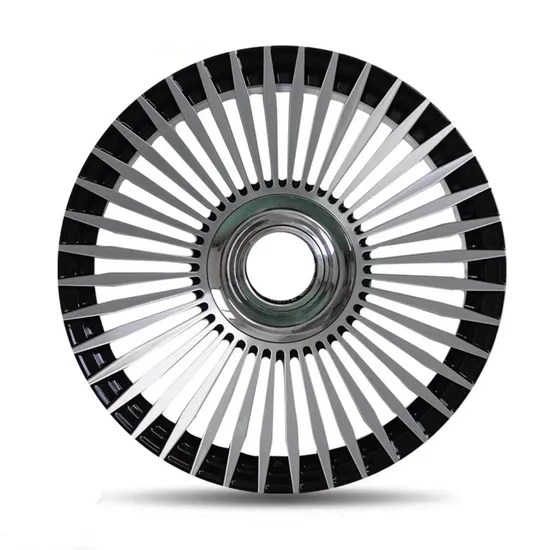 01
WHEEL RIM/HUB
Llantas de aleación para SUV: Eficientes en combustible, Duraderas, Cómodas
View Specifications 02
WHEEL RIM/HUB
Ruedas de aleación forjadas personalizadas de SUV todoterreno en verde esmerilado
View Specifications 03
WHEEL RIM/HUB
Ruedas de aleación de SUV Off Road negras 17X9 6X139.7 llantas de aluminio
View Specifications 04
WHEEL RIM/HUB
Ouya Wheel Classic Bronze 10 Spokes SUV Alloy Rim
View Specifications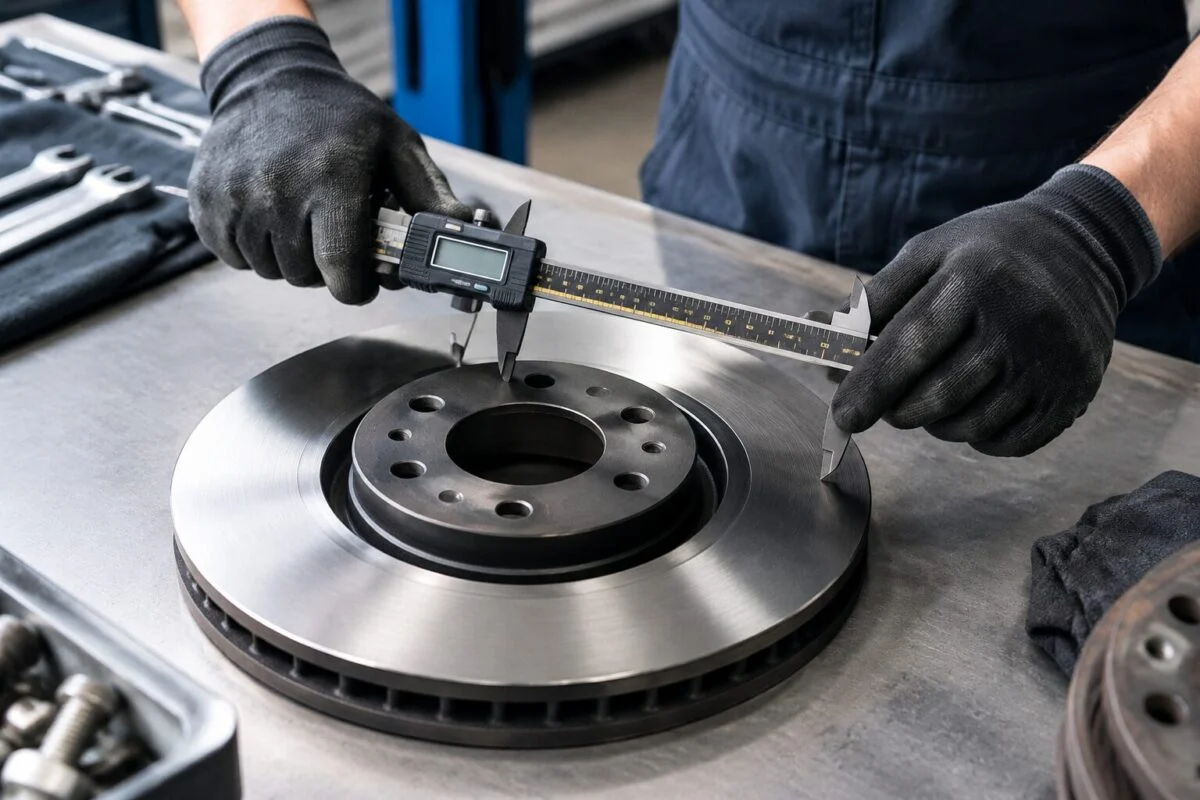
OE Fitment Check
Not sure it fits? Send us the OE number and we'll check it.
Jinan Yoker Auto Parts matches brake discs, drums, radiators, A/C condensers and wheel rims by OE number, vehicle model and year, PCD, ET and CB, so the parts fit before they ship.
- Factory-direct quote within 24 hours
- Free samples before bulk orders
- 10% off first order for new buyers (terms apply)
- Condenser MOQ from 10 PCS
Keep Reading
Related guides on auto parts sourcing
Buying Guide · · 9 min read
Car Rims Wholesale Supplier for Kazakhstan: China Factory Direct
Secure a reliable China factory direct car rims wholesale supplier for Kazakhstan with JWL, VIA, and TUV certifications. Reinforced designs withstand harsh Central Asian…
Read the Guide
Buying Guide · · 11 min read
Alloy Wheel Rims 12-24 Inch Wholesale Supplier for Sale
Wheel rims price in UAE depends on diameter, finish, certification, and order volume rather than size alone. Factory-direct sourcing reduces landed costs significantly compared…
Read the Guide
Buying Guide · · 10 min read
Wheel Rims Price in Russia: 2026 Wholesale Buyer Guide
Wheel Rims Price in Russia is driven by aluminum benchmarks, exchange rates, and finish complexity rather than size alone. This guide breaks down FOB…
Read the Guide