
Buy Alloy Wheels Best Price 2026 Wholesale Supplier
The lowest quoted price per piece almost never equals the lowest landed cost per sellable unit.
In 2026, securing the best alloy wheel wholesale price depends on aligning five variables — raw material index, manufacturing process tier, size bracket, surface finish complexity, and order volume — rather than chasing the single lowest factory quote. Buyers who fixate on piece price alone routinely absorb hidden losses from elevated rejection rates, repacking fees, and customs delays that erase any upfront savings.
I still remember standing inside a container unloading bay in Jebel Ali, watching a Dubai-based distributor peel back the cardboard dividers of a "bargain" shipment only to find hairline cracks along the bead seat of nearly every 17-inch cast wheel. The per-piece invoice looked attractive on paper, but the effective cost per sellable unit — once freight, duty, and replacement logistics were factored in — ran substantially higher than what a certified factory-direct partner would have charged. [NEED_CITE: LME primary aluminum price trend impact on alloy wheel FOB cost structure] That moment reinforced a principle I carry into every sourcing conversation: real price intelligence starts with understanding what drives the quote, not just reading the number.
Let me walk you through how the 2026 pricing landscape actually works, where the genuine savings live, and how to compare suppliers without being misled by surface-level quotes.
What Determines the Real Price of Alloy Wheels in 2026?
Five structural variables set the baseline cost of any alloy wheel order, and ignoring even one leads to distorted comparisons.
The global alloy wheel market in 2026 operates under tighter raw material volatility than the previous decade. Aluminum ingot benchmarks tracked on the London Metal Exchange directly influence foundry-level pricing, and any supplier quoting without referencing current metal indices is either absorbing risk silently or padding margins invisibly. [NEED_CITE: correlation between LME aluminum futures and alloy wheel FOB pricing cycles]
Beyond raw material, the manufacturing process tier creates the widest price spread. Gravity-cast wheels occupy the entry-level price band, flow-formed (also called rotary-forged) wheels sit in the mid-range, and fully forged monoblock or multi-piece wheels command premium pricing. The gap between gravity cast and flow-formed is moderate; the gap between flow-formed and full forge is dramatic — often several multiples, not incremental percentages.
Size bracket matters more than most buyers assume. Contrary to the intuition that larger wheels always cost more, certain high-demand large diameters — particularly 20-inch mainstream fitments for popular SUV platforms — benefit from concentrated production capacity and standardized tooling amortization, meaning their unit price increase over 18-inch counterparts is far smaller than expected. Meanwhile, less common sizes in the 15-to-16-inch range for older sedan platforms sometimes carry surcharges due to lower production frequency.
Surface finish complexity adds cost in layers. A standard machined-face with clear coat sits at baseline. Matte or gloss monochrome paint adds a moderate increment. Chrome plating or multi-step custom color processes — especially those requiring additional masking, powder-coat base layers, or hand-finishing — push pricing upward noticeably. [NEED_CITE: surface treatment cost layer breakdown across common alloy wheel finishes]
Finally, order volume interacts with every other variable. A 100-piece custom order and a full-container mixed order of the same specification will never carry the same unit cost, even from the same production line.
| Cost Driver | Entry Tier | Mid Tier | Premium Tier |
|---|---|---|---|
| Process | Gravity cast | Flow-formed | Full forged |
| Size Range | 15-17 inch mainstream | 17-19 inch volume | 20-24 inch specialty |
| Finish | Machined face clear coat | Single-color paint | Chrome or custom multi-step |
| Certification | Self-reported | Third-party verifiable | Multi-standard certified |
| Volume Leverage | Sample-level | Batch-level | Full batch-level |
A Middle East wholesale buyer I worked with initially focused exclusively on 17-inch gravity-cast wheels for the fleet and taxi segment. When we mapped his actual sell-through data, nearly a third of his revenue came from 19- and 20-inch flow-formed wheels for the SUV modification segment — where his margin per unit was substantially healthier. Shifting his sourcing conversation toward those higher-margin SKUs, rather than fighting for fractions of a cent on the cast segment, transformed his overall profitability.
Factory-Direct vs Trading Company — Where Does the Price Gap Come From?
Skipping intermediaries compresses brand markup and handling layers, but only if the factory possesses genuine export capability and certification infrastructure.
The price gap between a trading company quote and a factory-direct quote on identical specifications typically falls within a meaningful band — often equivalent to the margin a trading house needs to cover its sourcing overhead, warehousing, and risk buffer. For high-volume repeat orders, this gap compounds into a material cost advantage.
However, "factory-direct" is a claim, not a guarantee. I have visited facilities in Shandong Province that operate legitimate casting and machining lines with proper heat-treatment furnishes, X-ray inspection stations, and dynamic balance testing equipment — and I have seen warehouses labeled as "factory outlets" that are merely forwarding desks with no production assets whatsoever. [NEED_CITE: verification checklist for alloy wheel manufacturing facility audit criteria]
The differentiators that separate a real factory-direct partner from a disguised trader include:
- Whether the facility holds its own quality management certification (ISO 9001 at minimum) and product-specific certifications such as VIA, JWL, TÜV, or DOT depending on target market.
- Whether the factory can produce technical drawings and modify tooling in-house, rather than outsourcing mold design.
- Whether packing standards — including pallet configuration, corner protection, and moisture barrier protocols — are controlled on-site rather than subcontracted.
- Whether the factory maintains its own export documentation capability, including customs declaration and certificate of origin issuance.
A modification shop owner in the Gulf region had been ordering small batches of custom forged wheels through a trading intermediary for years. When we restructured his sourcing to go direct — starting with a modest custom order that met the factory’s minimum threshold — his per-unit cost dropped noticeably, and more importantly, his lead time shortened because communication no longer passed through an additional layer. The quality consistency improved as well, since feedback on finish defects went straight to the production supervisor rather than through a broker who had limited technical vocabulary.
The key is matching your order profile to the factory’s operational sweet spot. A facility optimized for full-container OEM runs may not be responsive to a 20-piece custom color request — and vice versa.
How to Compare Quotes from Different Suppliers Fairly?
Meaningful price comparison requires normalizing every variable — specification, minimum order quantity, lead time, payment structure, and packing standard — before a single dollar figure is evaluated.
The most common mistake I see in buyer inquiries is requesting a price from Supplier A based on one set of assumptions and from Supplier B based on a subtly different set, then treating the resulting quotes as comparable. They are not.
To compare fairly, align the following parameters across every quote:
- Exact wheel specification: diameter, width, bolt pattern, offset, center bore, and load rating. Even small deviations in offset or width change material weight and therefore cost.
- Minimum order quantity and mix flexibility. A quote based on a full-container single-SKU order cannot be compared to a quote based on a mixed-container order without adjusting for tooling changeover and production scheduling impact.
- Lead time commitment. A lower price paired with an extended or uncertain delivery window carries inventory-carrying cost implications that must be quantified.
- Payment terms. A quote requiring full prepayment before production differs structurally from one offering a deposit-against-production balance-against-shipping-documents structure. The cash flow impact is real. [NEED_CITE: payment term structures and their impact on alloy wheel procurement cost]
- Packing and labeling standards. Wheels packed in individual boxes with foam inserts cost more in materials and labor than wheels stacked loose on pallets with stretch wrap — but the damage rate during transit tells a very different story.
| Comparison Parameter | Common Pitfall | Correct Approach |
|---|---|---|
| Specification | Assuming "17-inch" is enough | Lock diameter, width, PCD, ET, CB |
| MOQ Basis | Ignoring mix flexibility | Specify single-SKU vs mixed container |
| Lead Time | Treating all estimates as equal | Quantify inventory cost of delay |
| Payment Terms | Overlooking cash flow impact | Model total cost including financing |
| Packing | Accepting lowest material spec | Require transit-tested packing protocol |
An e-commerce seller based in the United States once showed me two quotes for the same 18-inch matte-black flow-formed wheel. Supplier A’s piece price was lower, but the quote assumed loose pallet packing with no individual boxing. Supplier B’s price was higher, but included retail-ready individual packaging with corner protectors and UPC-labeling capability. When the seller calculated the repacking labor his warehouse would need to absorb for Supplier A’s shipment, Supplier B’s total landed cost per sellable unit was actually lower.
What MOQ and Lead Time Should You Expect at Different Price Tiers?
Minimum order quantities and production timelines vary by process tier and customization depth — and smart buyers blend stock and custom orders to optimize both cash flow and margin.
At the entry tier — gravity-cast wheels in popular sizes and finishes — many factories maintain running production of high-velocity SKUs. This means stock availability with low minimums, sometimes as few as a few dozen pieces per SKU, at the most accessible price points. Lead times for stock items are measured in days for dispatch, not weeks for production.
At the mid tier — flow-formed wheels with standard finishes — factories typically require batch-level commitments. Production runs are scheduled in blocks, and joining an existing production run is more efficient than triggering a dedicated run for a small quantity. Lead times extend into a multi-week window covering production, quality inspection, and pre-shipment preparation.
At the premium tier — full forged wheels with custom offsets, bespoke finishes, or branded center cap integration — tooling and setup are specific to the order. Minimum quantities are higher because the factory must amortize setup cost across enough units to justify the production line allocation. Lead times are the longest, reflecting both manufacturing complexity and the additional quality verification steps that forged wheels require.
A practical approach that several successful buyers use is a hybrid model:
- Maintain a core inventory of fast-moving stock sizes and finishes — typically 15- through 18-inch in neutral colors — sourced at low MOQ from running production.
- Layer in custom or less-common sizes — 19- and 20-inch in distinctive finishes or specific vehicle-fitment offsets — through batch-level custom orders placed on a rolling forecast.
- Reserve full-forge custom programs for confirmed pre-orders or proven high-margin SKUs where inventory turnover justifies the commitment.
This structure keeps working capital deployed efficiently while ensuring the product range covers both volume-driven and margin-driven segments.
How to Lock in the Best Price for Long-Term Orders?
Sustained pricing advantage comes from structural purchasing discipline — annual frameworks, batch call-offs, and payment reliability — not from one-time negotiation theatrics.
Factories reward predictability. A buyer who commits to an annual volume framework — even if the specific SKU mix shifts quarter to quarter — gives the production planning team visibility to schedule efficiently. That efficiency translates into pricing willingness that a spot-order buyer simply cannot access.
The mechanics typically work as follows:
- Agree on an annual volume commitment covering a family of specifications, not a single SKU. This gives the factory flexibility to allocate production across its running programs while reserving capacity for your orders.
- Issue batch call-offs against the framework on a rolling basis — monthly or quarterly — with specifications locked several weeks ahead of the requested ship date.
- Maintain consistent payment discipline. A buyer whose deposit and balance payments arrive on schedule, quarter after quarter, builds a track record that translates into pricing cooperation during raw material price spikes. [NEED_CITE: supplier buyer relationship impact on alloy wheel pricing stability]
I have seen long-term framework buyers receive priority production slots during peak-season capacity constraints — meaning their orders ship on schedule while spot buyers face extended queues. That delivery reliability, in markets where end customers expect prompt fulfillment, is worth more than a marginal per-piece discount.
A wholesale distributor in Latin America restructured his purchasing from reactive spot orders to a semi-annual framework with quarterly call-offs. Over the course of a year, his effective unit cost trended downward noticeably — not because the factory dropped its list price, but because the combination of committed volume, predictable scheduling, and clean documentation allowed the factory to offer more competitive terms without sacrificing its own operational efficiency.
Conclusion
The best alloy wheel wholesale price in 2026 is engineered, not discovered — it emerges from matching the right process tier to your market segment, normalizing every comparison variable, and building purchasing patterns that give factories reason to offer their most competitive terms. Stop chasing the lowest single-piece quote. Start designing a sourcing structure that delivers the lowest total cost per sellable unit, quarter after quarter.
Related Applications
Parts in This Article
Products mentioned above
 01
WHEEL RIM/HUB
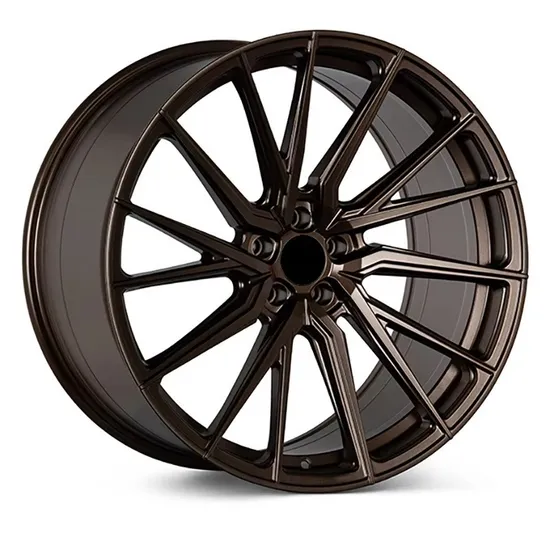
Rines de automóvil de aleación de aluminio de 15-17 pulgadas Oy17154 Venta de posventa
View Specifications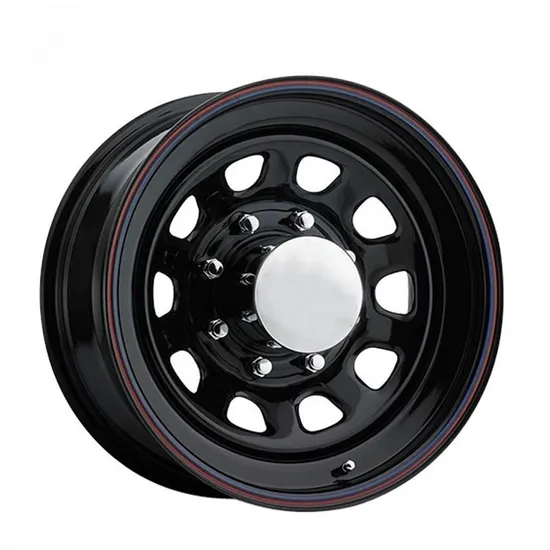 02
WHEEL RIM/HUB
Ruedas de aleación de acero de alta calidad de 15-17 pulgadas para off-road 4X4
View Specifications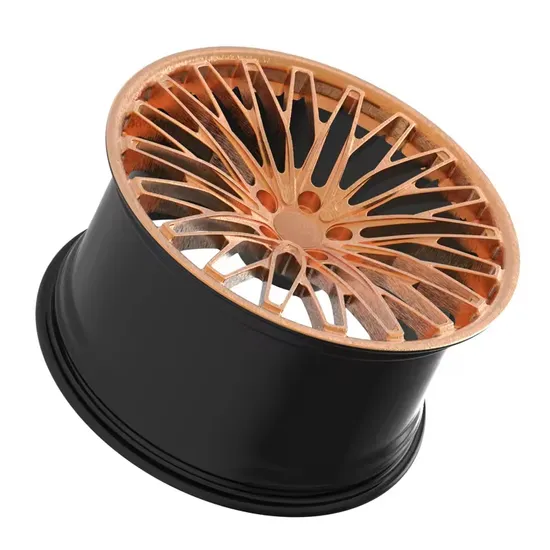 03
WHEEL RIM/HUB
Golden 15-17inch Custom Forged Rims for Vehicles
View Specifications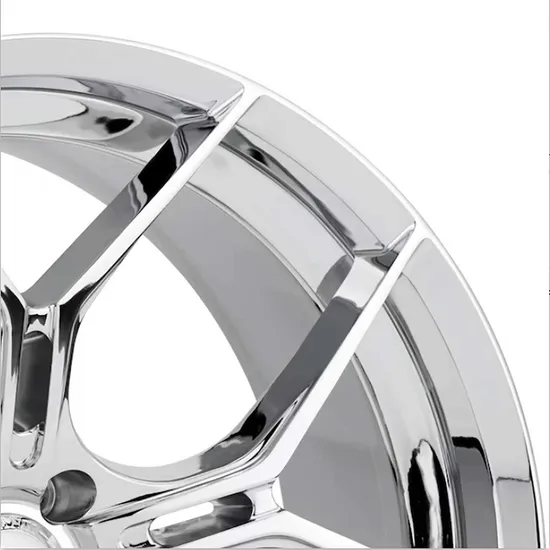 04
WHEEL RIM/HUB
Forged Alloy Wheel Rims 15-17 Inches Car Hub Auto Parts
View Specifications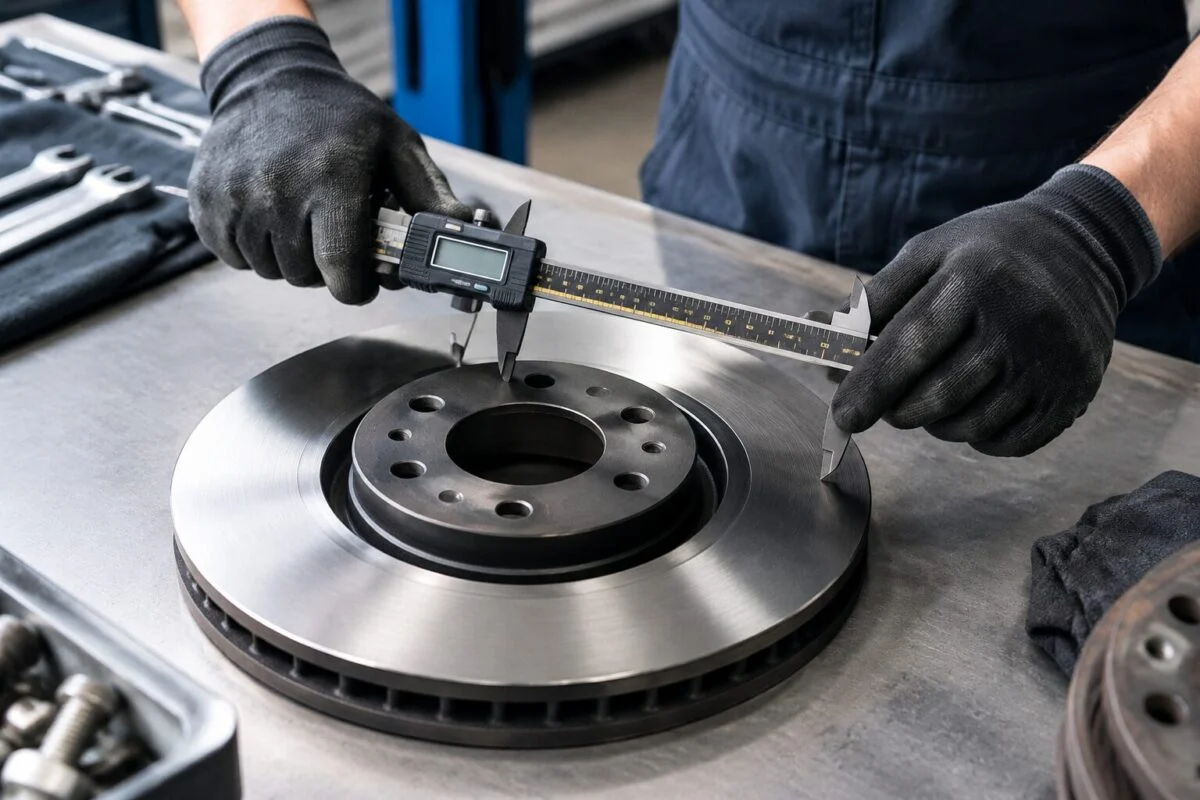
OE Fitment Check
Not sure it fits? Send us the OE number and we'll check it.
Jinan Yoker Auto Parts matches brake discs, drums, radiators, A/C condensers and wheel rims by OE number, vehicle model and year, PCD, ET and CB, so the parts fit before they ship.
- Factory-direct quote within 24 hours
- Free samples before bulk orders
- 10% off first order for new buyers (terms apply)
- Condenser MOQ from 10 PCS
Keep Reading
Related guides on auto parts sourcing
Buying Guide · · 7 min read
Buy Alloy Wheels Wholesale Price | Factory Direct OEM Supplier
Stop guessing your real landed cost when you Buy Alloy Wheels Wholesale Price. Discover how manufacturing processes, MOQ tiers, and hidden certification fees shape…
Read the Guide
Buying Guide · · 9 min read
Car Rims Price in Ghana: 2026 Wholesale Buyer Guide
Car rims price in Ghana for 2026 wholesale buyers depends on landed costs, not just FOB quotes. This guide breaks down duty structures, finish…
Read the Guide Buying Guide · · 9 min read
Alloy Wheels Price in USA: 2026 Wholesale Supplier Guide
Navigate US alloy wheel wholesale prices by mastering cost drivers beyond rim size. Discover how manufacturing process, DOT certification, and hidden fees like tooling…
Read the Guide