
24-Hour Alloy Wheel Quotation from Yoker Factory
- By author
- Procurement & Trade FAQs
24-Hour Alloy Wheel Quotation from Yoker Factory
A fast alloy wheel quotation is not a marketing gimmick — it is a reflection of how tightly a factory’s technical and commercial teams are synchronized.
A professional alloy wheel factory can deliver a binding, itemized quotation within 24 hours when the buyer submits a complete specification package upfront — covering size, PCD, offset, center bore, finish type, quantity, packaging preference, and Incoterms — and the factory operates an integrated workflow where engineering review, cost calculation, and commercial approval run in parallel rather than in sequence.
When I first moved from the inspection bench to the quotation desk at our wheel plant outside Jinan, I assumed speed came from working faster. I was wrong. Speed comes from eliminating the questions you should never have to ask twice. I remember a mixed-container inquiry from a buyer in the Gulf region — dozens of SKUs, staggered bolt patterns, machined-face and hyper silver finishes — and I spent days running between the powder coating line and my desk trying to verify every detail. The order was already gone before I finished. A competitor had turned the same inquiry around in under a day, not because they guessed, but because their internal routing was airtight. That is the real lesson behind a 24-hour alloy wheel quotation: it is a systems problem, not a typing-speed problem. [NEED_CITE: root causes of quotation delays in B2B manufacturing procurement]
Getting a reliable alloy wheel quotation fast starts with understanding what the factory actually needs from you before a single number can be calculated.
What Information Does a Factory Need to Quote Alloy Wheels Accurately?
An accurate alloy wheel quotation requires a complete specification set submitted in one pass — missing any single parameter forces clarification loops that multiply turnaround time.
Every quotation begins with the wheel’s physical identity. The factory needs the diameter and width (e.g., 18×8.5), the bolt pattern or PCD, the offset, the center bore diameter, and the load rating if applicable. These are not optional fields — they determine which production molds are usable, whether a new mold is required, and how the wheel will be machined. [NEED_CITE: standard wheel specification parameters required for OEM quotation]
Beyond dimensions, the finish type drives a significant portion of the cost. A gloss black painted wheel and a machined-face with lip hyper silver wheel share the same base casting process, but the finishing line time, material consumption, and quality inspection requirements differ substantially. The factory must know whether you want painted, powder-coated, machined-face, chrome-plated, or a custom color match — and if custom, whether you are supplying a physical sample or a RAL/Pantone reference.
Quantity and packaging round out the critical inputs. A single-piece retail box, a bulk carton with dividers, or a palletized container-load configuration each carry different material and labor costs. And the Incoterms — whether FOB, CIF, or DDP — determine whether logistics costs are embedded in the unit price or quoted separately.
I once received an inquiry from an e-commerce seller who wanted machined-face wheels but only specified the size and finish. No offset, no center bore, no quantity. We returned a preliminary range, but when the buyer finally provided the full specs, the offset change alone shifted the machining program and the price moved. A re-quote was needed, adding nearly two days to a process that should have been resolved in one. [NEED_CITE: common specification gaps causing quotation rework in automotive aftermarket]
The practical takeaway is simple: prepare a one-page spec sheet before you send the inquiry. Include every parameter the factory would need to run the job without calling you back. A complete submission is the single most effective way to compress the alloy wheel quotation timeline.
How Does a 24-Hour Quotation Workflow Actually Function?
A 24-hour alloy wheel quotation is achieved through parallel processing — technical feasibility review, cost engineering, and commercial approval happen simultaneously, not sequentially.
In a traditional factory setup, an inquiry lands in the sales inbox, gets forwarded to engineering for feasibility review, then moves to the cost team, then to management for margin approval, and finally back to sales for issuance. Each handoff adds waiting time. A buyer who has experienced this sequence knows it easily stretches into several days.
A factory that consistently delivers an alloy wheel quotation within 24 hours has restructured this chain. When the inquiry arrives, it is routed simultaneously to the technical team and the cost engineering team. The technical team checks mold availability, finish feasibility, and any engineering constraints — for example, whether a requested deep concave profile is achievable within the specified width, or whether a particular PCD requires a custom drill pattern. At the same time, the cost team pulls current raw material pricing, calculates machining time based on the finish type, and factors in packaging and logistics. These two streams converge within hours, not days.
The final step is commercial approval — setting the margin based on order volume, customer tier, and strategic priority. In an integrated operation, this approval authority is delegated to a senior commercial lead who can sign off without a multi-layer chain of command. [NEED_CITE: parallel workflow models in manufacturing quotation processes]
Our own operation reflects this structure. The team handling quotations includes people who came up from the QC line and the finishing floor — they can look at a spec sheet and immediately flag whether a hyper silver finish on a complex multi-spoke design will require additional masking steps or whether a particular center bore will need a secondary machining operation. That institutional memory eliminates the back-and-forth that slows most factories down.
A buyer once asked me why our quotation included a note saying "mold amortization over first 500 pieces" — it was because the technical team had identified, within the first hour of review, that the requested design did not exist in our current mold library. That transparency, delivered inside the 24-hour window, allowed the buyer to make a budget decision the same day instead of waiting for a second round of pricing.
What Cost Components Should a Transparent Alloy Wheel Quote Include?
A trustworthy alloy wheel quotation breaks down the cost into identifiable layers — base wheel structure, surface finish, mold allocation, packaging, and logistics — so the buyer can compare offers on equal terms.
When you receive a quotation that only shows a single unit price with no breakdown, you have no way to understand what you are paying for. Is the finish included? Is the mold cost amortized or charged upfront? Is the price FOB or does it include freight to your port? A transparent quotation answers all of these questions explicitly.
The base wheel cost is driven primarily by the alloy material — typically A356 or A356.2 aluminum alloy — and the casting and machining time required for the specified size and structural design. Larger diameters and wider widths consume more material and require longer cycle times on the CNC line. [NEED_CITE: A356 aluminum alloy cost drivers in wheel manufacturing]
The surface finish is often the most variable component. A standard gloss black paint finish is relatively straightforward. A machined-face with painted pockets requires a two-stage process — painting first, then CNC machining the face — which adds both time and inspection cost. Chrome plating involves multiple chemical bath stages and carries higher material and environmental compliance costs. A custom color match, especially on a trial order of limited quantity, may carry a finish surcharge because the powder coating line must be purged and recalibrated for a non-standard shade.
Mold cost is a separate line item for custom designs. If the factory already produces the design in its catalog, there is no mold charge. If the buyer submits a custom drawing or a sample for replication, the mold must be manufactured or modified, and the quotation should clearly state whether this cost is amortized over a committed volume or charged as a one-time fee.
Packaging and logistics complete the picture. Retail-ready boxes with foam inserts cost more per unit than bulk cartons. And the Incoterms determine whether ocean freight, insurance, and destination charges are embedded in the unit price or quoted as a separate line.
A tuning shop in Europe once needed a trial order of a custom gunmetal finish on a design they had sourced elsewhere. Our quotation separated the base wheel price, the finish premium, and the mold amortization into three distinct lines. The buyer told us later that this breakdown was the reason they could get internal budget approval in a single meeting — their finance team could see exactly what each component cost and where the flexibility lay.
Why Do Most Quotations Take Longer Than a Day — and How to Avoid It?
The three primary causes of quotation delays are incomplete specifications, disconnected internal departments, and raw material price volatility — and each has a practical workaround.
Incomplete specifications are the most common culprit. A buyer sends an inquiry with a size and a finish but omits the offset or the center bore. The factory cannot calculate machining time without the offset, because the offset determines the wheel’s internal geometry and the clearance checks required. The factory cannot confirm center bore compatibility without knowing the buyer’s target vehicle application. So the inquiry goes into a clarification loop — email sent, waiting for reply, reply received, internal re-review, revised quotation prepared. Each cycle adds at least a full business day, and most inquiries require two or three rounds before the spec is locked. [NEED_CITE: specification completeness impact on manufacturing lead time]
Disconnected internal departments are the second cause. In many factories, the sales team, the engineering team, and the cost team operate in silos. Sales cannot answer technical questions without waiting for engineering. Engineering does not know current material costs without waiting for procurement. Procurement does not know the buyer’s volume commitment without waiting for sales. The result is a sequential chain where each department waits for the previous one to finish before starting its own work. The fix, as discussed earlier, is parallel routing with shared access to real-time cost data.
Raw material price volatility is the third cause, and it is largely external. Aluminum alloy prices are tied to the London Metal Exchange, and a significant price swing between the time an inquiry is received and the time the quotation is issued can force the factory to either re-quote or add a validity clause. Factories that maintain a rolling material cost index and build a short validity window into every quotation — typically measured in days, not weeks — can issue the initial alloy wheel quotation quickly and adjust only if the window is exceeded.
The buyer’s best defense against delay is to submit a complete, one-page specification with every inquiry. The buyer’s best defense against inaccuracy is to choose a factory whose internal workflow is structured for parallel processing. And the buyer’s best defense against volatility is to request a quotation with a clearly stated validity period and a defined material cost baseline.
How to Evaluate Whether a Fast Quotation Is Reliable?
A fast alloy wheel quotation is only valuable if it is accurate — and accuracy can be verified through cross-referencing material benchmarks, requesting certification evidence, and testing sample consistency before committing volume.
Speed without accuracy is worse than no quotation at all, because it creates a false sense of progress. A buyer who receives a low price within hours may feel confident, only to discover later that the price was based on an incorrect finish assumption or excluded mold costs entirely. The result is a renegotiation that wastes more time than a careful initial quotation would have.
The first verification step is to cross-check the quoted material cost against publicly available benchmarks. Aluminum alloy A356 pricing is tracked on the London Metal Exchange, and a factory’s quoted base material cost should be directionally consistent with current LME levels. If the quoted price implies a material cost far below the market, the factory may be using a lower-grade alloy or may have made a calculation error. [NEED_CITE: LME aluminum alloy A356 pricing reference for manufacturing cost validation]
The second step is to request certification evidence. A credible quotation should reference the factory’s quality certifications — ISO for management systems, VIA or JWL for the Japanese market, TÜV for European compliance, DOT for the US market — and be willing to provide copies of current certificates. A factory that cannot produce valid certificates when asked is signaling that the quotation may not be backed by the quality infrastructure required to fulfill the order.
The third step is to order a sample batch before committing to full production volume. The sample should be inspected for dimensional accuracy, finish consistency, and structural integrity. If the sample matches the quotation’s specifications — and the quotation’s specifications match your original inquiry — you have confirmed that the factory’s alloy wheel quotation process is both fast and reliable.
A distributor in Latin America once received two quotations for the same specification — one from a factory that delivered in under a day, and one from a factory that took nearly a week. The faster quotation was slightly higher per unit, but it included a full cost breakdown and referenced valid TÜV certification. The slower quotation was cheaper on paper, but it excluded mold amortization and could not provide current certification documents. The distributor chose the faster, transparent quotation — and later confirmed that the sample batch matched the quoted specs exactly, while the slower factory’s sample showed finish inconsistencies that would have required rework.
Conclusion
A 24-hour alloy wheel quotation is a systems achievement, not a marketing claim — it requires complete buyer specifications, parallel internal workflows, transparent cost breakdowns, and verifiable quality credentials.
Buyers who invest time in preparing a thorough specification package will consistently receive faster, more accurate pricing. Factories that structure their teams for parallel processing rather than sequential handoffs will consistently deliver quotations within a single business day. And both parties benefit when the quotation is transparent enough to be verified against material benchmarks and certification records before any volume commitment is made.
Related Applications
Parts in This Article
Products mentioned above
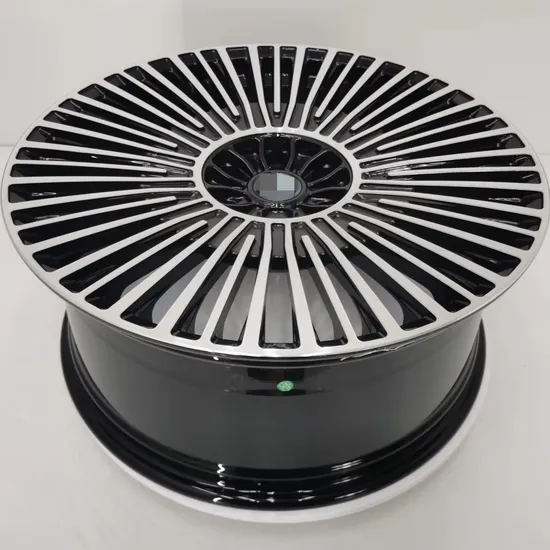 01
WHEEL RIM/HUB
Rin de rueda de coche mecanizado negro de aleación de aluminio A356 con 6 agujeros
View Specifications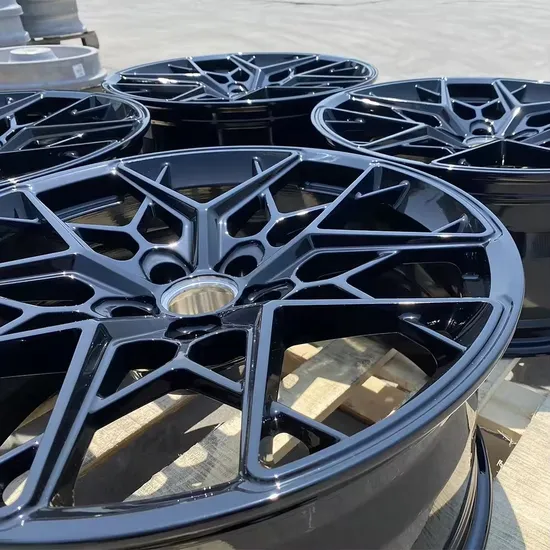 02
WHEEL RIM/HUB
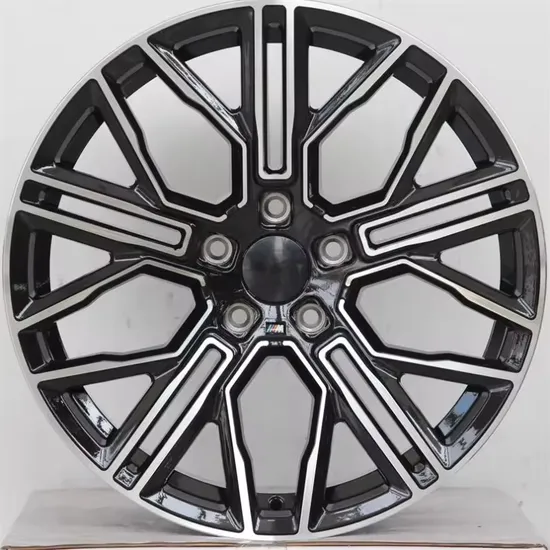
A356 Aluminum 5-Hole Black Aftermarket Car Wheel Rim
View Specifications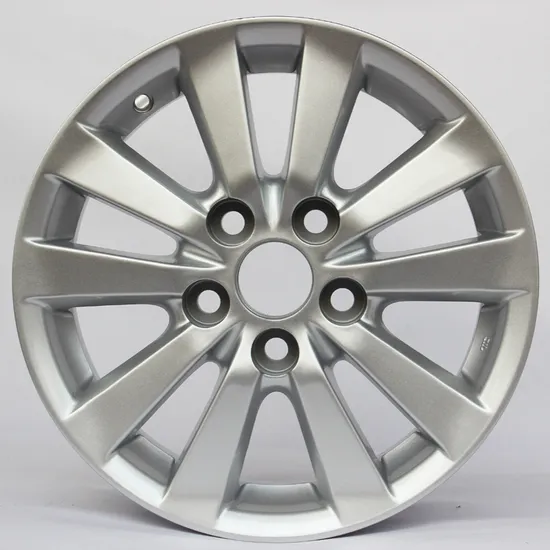 03
WHEEL RIM/HUB
Rin de aleación de aluminio A356.2 para SUV de 15 pulgadas plateado personalizado
View Specifications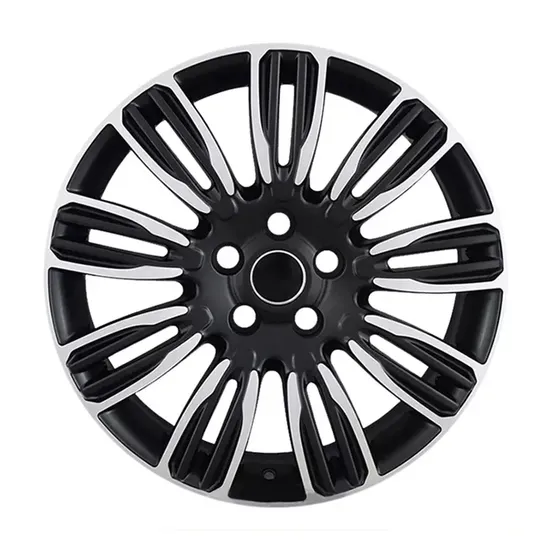 04
WHEEL RIM/HUB
16-22 Inch Merc A356 Aluminum Alloy Wheel Rims Hot Selling
View Specifications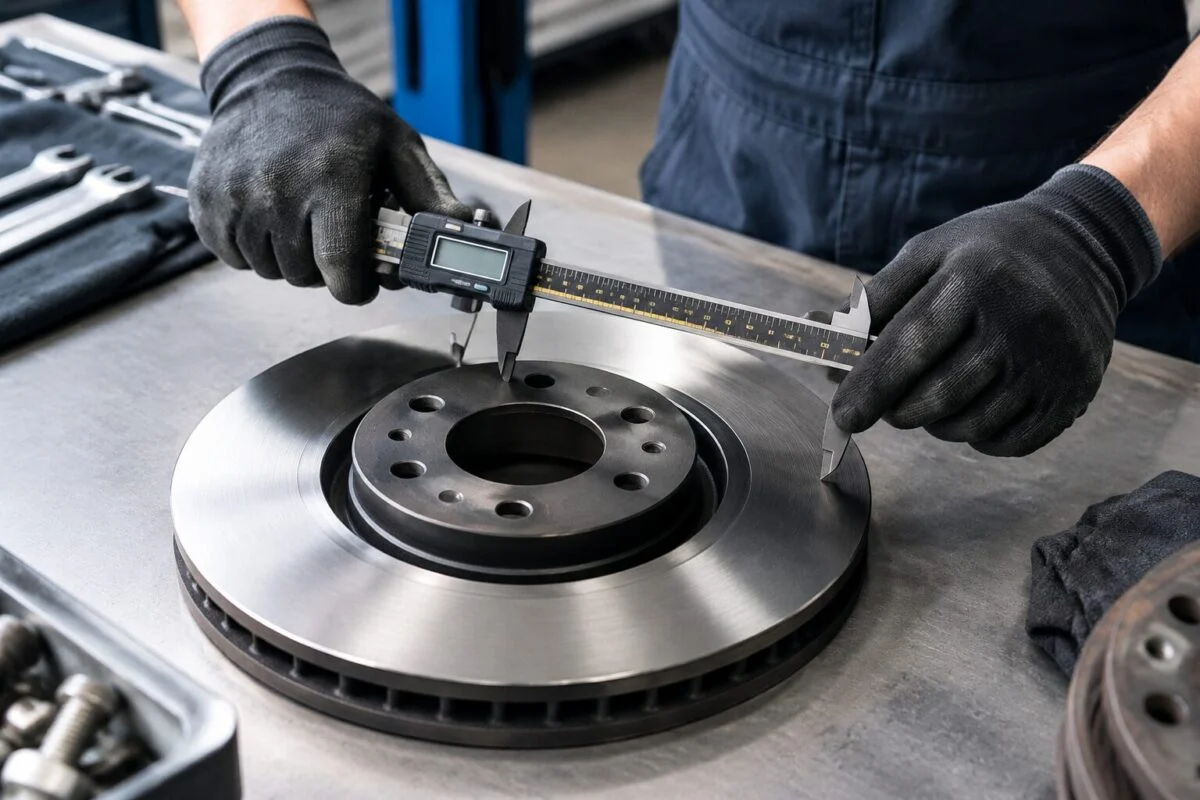
OE Fitment Check
Not sure it fits? Send us the OE number and we'll check it.
Jinan Yoker Auto Parts matches brake discs, drums, radiators, A/C condensers and wheel rims by OE number, vehicle model and year, PCD, ET and CB, so the parts fit before they ship.
- Factory-direct quote within 24 hours
- Free samples before bulk orders
- 10% off first order for new buyers (terms apply)
- Condenser MOQ from 10 PCS
Keep Reading
Related guides on auto parts sourcing
Procurement & Trade FAQs · · 8 min read
Container Load Deal for Alloy Wheel Distributors – Wholesale Supplier
Optimize your container load alloy wheels strategy to stop hidden freight costs from destroying margins. Calculate true landed cost per wheel using actual loaded…
Read the Guide Procurement & Trade FAQs · · 9 min read
Private Label Alloy Wheels: OEM Branding Manufacturer from China
Sourcing private label alloy wheels from China requires precise alignment of DOT, VIA, or TÜV certifications with packaging markings to avoid costly port delays.…
Read the Guide
Procurement & Trade FAQs · · 6 min read
Cómo acelerar la aprobación de muestras de ruedas OEM de fabricantes chinos sin omitir pruebas
OEM Wheel Sample Development: Prototype Testing and Approval Process for China Auto Part Manufacturers Faster sample approval does not require cutting mandatory testing steps.…
Read the Guide