
Container Load Deal for Alloy Wheel Distributors – Wholesale Supplier
- By author
- Procurement & Trade FAQs
Container Load Deal for Alloy Wheel Distributors – Wholesale Supplier
Filling every inch of a shipping container does not guarantee profit—it often destroys it.
The real margin driver in alloy wheel container loading is not the per-piece purchase price, but the actual number of wheels that fit inside a standard container after accounting for packaging geometry, weight limits, and mixed-size ratios. A poorly planned container load can inflate per-unit freight costs significantly, turning a seemingly cheap wheel into an expensive landed product.
I have walked through container loading yards in Qingdao and watched loaders stack 17-inch forged wheels flat in cardboard boxes, leaving nearly a fifth of the container volume empty. A German distributor once received that shipment—his per-piece freight cost jumped so high that his landed margin vanished entirely. That kind of loss does not show up on the invoice from the factory; it hides inside the container’s wasted air. When I started restructuring container loading plans for buyers, the first thing I calculated was never the wheel price—it was the real cost per wheel once it reached the port of destination. [NEED_CITE: standard 20ft and 40ft container internal dimensions and maximum payload capacity per ISO shipping standards]
Getting the alloy wheel container loading plan right requires understanding packaging orientation, weight distribution, and market-driven size ratios before the goods ever reach the warehouse floor.
Why Does the Container Loading Plan Directly Determine Alloy Wheel Distribution Profit?
Space waste inside a container is functionally identical to a price increase on every single wheel.
When a buyer focuses exclusively on negotiating a lower unit price with the supplier, they often overlook the fact that packaging method and stacking orientation determine how many wheels actually fit. A standard 40-foot high-cube container offers a fixed internal volume. If the alloy wheel container loading plan allows packaging inefficiency—say, wheels packed flat when vertical stacking would work—the number of units per container drops noticeably. The freight cost remains the same, so the cost per wheel rises.
Consider this: a distributor in the Middle East ordered a full container of 17-inch forged wheels for the aftermarket segment. The supplier packed them in standard flat cardboard boxes, four wheels per layer. The container arrived with roughly a fifth of its volume unused. The distributor’s freight cost per wheel was substantially higher than what a properly optimized plan would have delivered. That hidden cost ate into margins across the entire batch. [NEED_CITE: typical packaging volume efficiency differences between flat and vertical wheel packing methods]
The principle is straightforward. The total ocean freight charge for a full container load is fixed regardless of how many wheels are inside. Fewer wheels mean higher per-unit freight. Higher per-unit freight means the effective purchase price is higher than the invoice suggests. Distributors who understand this calculate the landed cost per wheel before placing orders—not after.
I have seen buyers celebrate a five-percent discount on wheel pricing, only to lose far more than that in wasted container space. The alloy wheel container loading plan is not a logistics afterthought; it is a profit calculation tool.
How Do You Calculate the True Landed Cost Per Wheel?
Divide the total container freight cost by the actual number of wheels loaded—not the theoretical maximum the supplier claims.
Suppliers often quote a "maximum load quantity" based on ideal conditions. In practice, weight restrictions, packaging protection requirements, and mixed-size configurations reduce that number. The alloy wheel distributor shipping cost per wheel should be calculated using the real loaded quantity.
Here is the working formula:
Landed freight cost per wheel = Total ocean freight + insurance + port handling charges ÷ Actual wheels loaded in the container.
This number must be added to the factory price to determine the true cost per wheel at destination. Many distributors skip this step and discover the margin squeeze only when the goods arrive.
A wholesale buyer in Latin America once shared their loading sheet with me. The supplier had promised a certain quantity of 18-inch wheels per container. When the container was weighed at the departure port, it was already at the weight limit with fewer wheels than promised. The buyer had to leave several boxes behind. The freight cost per wheel increased noticeably because the denominator in the equation shrank. [NEED_CITE: maximum payload weight restrictions for standard shipping containers per international maritime regulations]
Several factors affect the actual loaded quantity:
- Wheel weight varies by size and construction. Forged wheels are lighter than cast wheels of the same diameter, allowing more units per container before hitting the weight limit.
- Packaging thickness differs. Some suppliers use thick cardboard dividers and foam inserts that consume volume. Others use compact nested packaging.
- Mixed-size orders reduce density. A container loaded with a random mix of sizes packs less efficiently than one with uniform dimensions.
The alloy wheel container loading plan must account for all three variables before the order is confirmed. Buyers who request a detailed packing list with exact dimensions and weights per carton—and then run the calculation themselves—consistently achieve better per-unit economics than those who accept the supplier’s loading estimate at face value.
How Do You Avoid Selling Dead Stock After a Mixed-Size Container Shipment?
Plan the size ratio inside the container based on your market’s actual demand distribution—not on whatever the supplier has available to fill the space.
Mixed-size loading is common among alloy wheel distributors who serve diverse customer bases. A typical order might include 15-inch, 16-inch, 17-inch, and 18-inch wheels in a single container. The temptation is to let the supplier fill the container with whatever sizes are easiest to pack. This approach creates a distribution problem at the destination.
A distributor in Southeast Asia received a container where the supplier had loaded a heavy concentration of 19-inch and 20-inch wheels because those sizes packed efficiently in the available space. The local market demand, however, was concentrated in the 15-to-17-inch range for passenger vehicles. The larger wheels sat in the warehouse for extended periods, tying up capital and increasing storage costs. Meanwhile, the fast-moving smaller sizes needed reordering immediately—incurring additional shipping costs for a less-than-container load. [NEED_CITE: regional aftermarket alloy wheel size demand distribution patterns across major automotive markets]
The solution is to build the alloy wheel container loading plan around a demand-driven size ratio. Before placing the order, the distributor should analyze their sales data to determine what proportion of total wheel sales falls into each size category. That ratio should then be reflected in the container load.
A practical approach:
- Identify the top-selling sizes in your market over the previous selling season.
- Allocate container volume proportionally, giving priority to high-turnover sizes.
- Limit slow-moving sizes to a small percentage of the container, even if they pack efficiently.
- Confirm the packing list with exact quantities per size before the container is sealed.
This requires the buyer to take control of the loading specification rather than delegating it entirely to the supplier. Suppliers optimize for their own warehouse efficiency and packing speed. Buyers must optimize for their own sell-through rate.
How Much Freight Can Packaging Optimization Actually Save?
Switching from flat stacking to vertical or nested packaging can improve container space utilization by a meaningful margin, directly reducing per-wheel freight cost.
The way wheels are packaged inside their cartons—and how those cartons are arranged inside the container—determines the total number of units that fit. This is where the alloy wheel container loading plan transitions from a purchasing concern to a logistics engineering exercise.
There are three primary packaging orientations for alloy wheels:
- Flat stacking: Wheels lie horizontally in the carton, typically separated by cardboard dividers. This is the simplest method but consumes the most floor space per wheel.
- Vertical stacking: Wheels stand upright in the carton, side by side. This reduces the footprint per wheel and allows more units per layer, though it requires sturdier carton walls to prevent damage.
- Nested packaging: Smaller wheels are placed inside the center space of larger wheels, or wheels of the same size are interleaved. This method maximizes density but is only feasible for certain size combinations and requires careful protection against surface contact damage.
A buyer in North America switched their 17-inch forged wheel orders from flat stacking to vertical packaging after reviewing the container loading calculations. The number of wheels per container increased noticeably. The per-wheel freight cost dropped accordingly. The packaging cost per carton increased slightly, but that increase was far smaller than the freight savings across the full container. [NEED_CITE: packaging orientation impact on container cube utilization for circular automotive components]
The alloy wheel packing optimization process should include:
- Requesting packaging samples from the supplier before placing a bulk order.
- Measuring the exact external dimensions of each packed carton.
- Running a container loading simulation using those dimensions against standard container internal measurements.
- Comparing the total units per container under each packaging method.
At Jinan Yoker, we provide detailed container loading plans for every order, covering the full range from 12-inch to 24-inch alloy wheels. Our packing team calculates the optimal orientation and carton configuration for each size mix, and we supply complete customs documentation to ensure smooth clearance at the destination port. This level of pre-shipment planning is what separates a profitable container load from an expensive lesson.
Conclusion
The most effective alloy wheel container loading plan treats freight efficiency as a core component of purchase cost, not a logistics detail to be handled later.
Distributors who calculate true per-wheel landed cost, align mixed-size ratios with actual market demand, and insist on optimized packaging orientation consistently protect their margins better than those who focus solely on factory unit price. The container is not just a box—it is the single largest variable in your cost structure after the product itself.
Related Applications
Parts in This Article
Products mentioned above
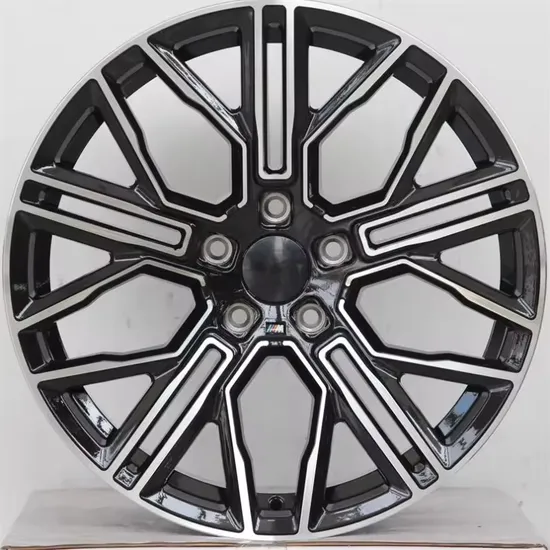 01
WHEEL RIM/HUB
19inch Car Aluminum Alloy Wheel PCD5*120 Aftermarket Sale
View Specifications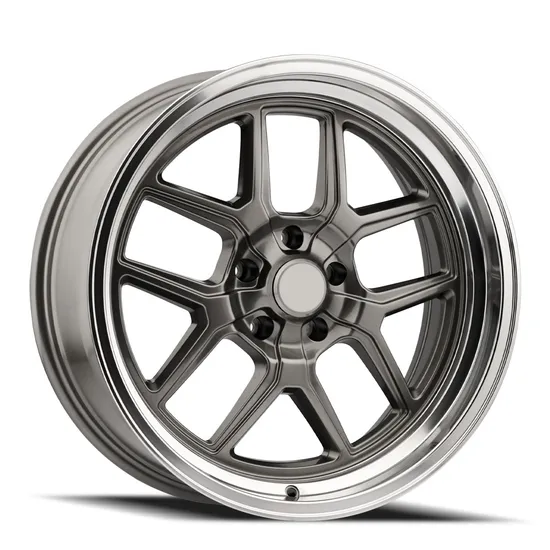 02
WHEEL RIM/HUB
19-Inch 5X120 PCD Et35 Custom Alloy Wheels for Performance
View Specifications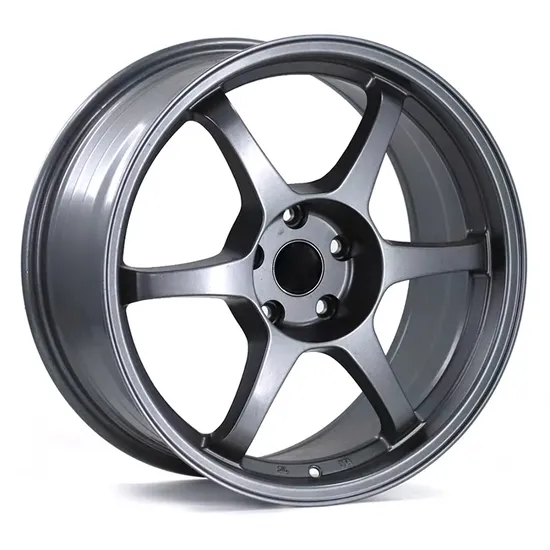 03
WHEEL RIM/HUB
Flow Form Rims 15X6.5 4Holes 6Spokes Lightweight Racing Alloy Wheels
View Specifications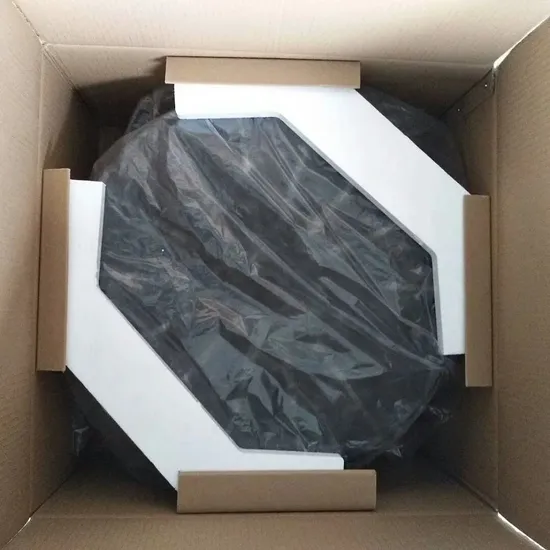 04
WHEEL RIM/HUB
20 22 Inch 5 Hole 120 Luxury Car Alloy Wheels Rim
View Specifications
OE Fitment Check
Not sure it fits? Send us the OE number and we'll check it.
Jinan Yoker Auto Parts matches brake discs, drums, radiators, A/C condensers and wheel rims by OE number, vehicle model and year, PCD, ET and CB, so the parts fit before they ship.
- Factory-direct quote within 24 hours
- Free samples before bulk orders
- 10% off first order for new buyers (terms apply)
- Condenser MOQ from 10 PCS
Keep Reading
Related guides on auto parts sourcing

Procurement & Trade FAQs · · 11 min read
24-Hour Alloy Wheel Quotation from Yoker Factory
Get a binding alloy wheel quotation within 24 hours by submitting complete specifications upfront. This guide reveals how parallel technical and commercial workflows eliminate…
Read the Guide Procurement & Trade FAQs · · 9 min read
Private Label Alloy Wheels: OEM Branding Manufacturer from China
Sourcing private label alloy wheels from China requires precise alignment of DOT, VIA, or TÜV certifications with packaging markings to avoid costly port delays.…
Read the Guide
Procurement & Trade FAQs · · 6 min read
How to Speed Up OEM Wheel Sample Approval from China Manufacturers Without Cutting Tests
OEM Wheel Sample Development: Prototype Testing and Approval Process for China Auto Part Manufacturers Faster sample approval does not require cutting mandatory testing steps.…
Read the Guide