
Car Rims Price in Ghana: 2026 Wholesale Buyer Guide
Lower FOB quotes often mean thinner coatings, lighter alloys, and heavier customs surprises — not better deals.
The real car rims price in Ghana for wholesale buyers in 2026 is determined by rim diameter, finish type, alloy weight, order volume, and Ghana’s landed cost structure — not just the per-piece factory quote. Buyers who compare headline FOB numbers alone routinely underbudget by a significant margin and receive product that fails under West African conditions.
I still remember a container that rolled into Tema port a couple of years back — a West African wholesaler had locked in a bulk order of 18-inch gloss black rims at what looked like a bargain FOB rate. Within months, the finish was chalky and peeling under the Accra sun, and the buyer came back asking for UV-stable clear coat on the reorder — the kind of add-on that quietly reshapes the entire unit cost. That is the reality of sourcing car rims price in Ghana: the headline number is only the opening move, and the final landed figure depends on decisions made long before the container is sealed. [NEED_CITE: Ghana import duty structure for alloy wheels under HS code classification]
What follows breaks down exactly how car rims price in Ghana is constructed in 2026, so you can compare quotes on an apples-to-apples basis and avoid the pitfalls that cost wholesalers across the region.
What Determines Car Rims Price in Ghana in 2026?
Rim pricing at the factory gate is shaped by four controllable variables — diameter, finish, alloy composition, and order volume — plus one external factor that buyers often overlook: weight-based customs valuation at the destination port.
Diameter is the most visible driver. A 15-inch rim uses materially less alloy than a 20-inch rim, and the raw material cost gap compounds through every subsequent production step — machining, finishing, packaging. Finish type adds a second layer of cost variation that catches many buyers off guard. A full-painted rim requires a standard coating line, while a machined-face rim demands additional CNC lathe passes, and chrome plating involves an entirely separate chemical process chain. [NEED_CITE: alloy wheel finishing process cost hierarchy by finish type]
Alloy composition matters more than most buyers realize. Wheels cast from certified aerospace-grade aluminum alloy with controlled impurity levels cost noticeably more than those poured from recycled scrap blends — but the difference shows up in structural integrity, not on a spec sheet. Order volume then determines whether a buyer accesses stock-tier pricing or custom-tier pricing; the gap between the two can be substantial per piece.
The external factor is Ghana’s customs approach. Import duties on alloy wheels at Tema port are assessed partly on declared weight, and any discrepancy between declared and actual weight triggers reassessment — a scenario I have seen play out repeatedly with buyers who normalized quotes without normalizing weight specs. [NEED_CITE: Ghana Revenue Authority customs valuation method for alloy wheel imports]
When you stack these variables together, the car rims price in Ghana that a wholesaler actually pays is never a single number — it is a range that shifts with every specification choice.
FOB Price vs Landed Cost: The Real Numbers Ghana Buyers Face
The gap between a China factory FOB quote and the final cost at a warehouse in Abossey Okai typically adds a substantial percentage on top — and buyers who skip the landed cost calculation are effectively guessing at their true margins.
Let me walk through the components that sit between the factory gate and the buyer’s shelf. Ocean freight from a Chinese port to Tema is one line item, but it fluctuates with global container rate cycles and is sensitive to whether the buyer books a full container or consolidates less-than-container-load shipments. A full container of mixed-size rims spreads the freight cost across a larger piece count, dropping the per-unit freight burden noticeably compared to LCL shipments — a lesson a Kumasi-based fleet modification shop learned the hard way when separate small orders ate into their margins.
Then comes Ghana’s import duty structure. Alloy wheels fall under a specific HS code classification, and the applicable duty rate combines with the Value Added Tax and the African Liberation Fund levy to create a cumulative tax burden that buyers new to the market consistently underestimate. [NEED_CITE: Ghana import duty VAT and ALF levy rates for alloy wheels HS code]
Port handling charges at Tema, inland transport to the buyer’s warehouse, and customs clearing agent fees add further layers. None of these appear on a factory quotation, yet they are unavoidable components of the car rims price in Ghana that every serious buyer must model before committing to an order.
A distributor I worked with once compared per-piece quotes from three different suppliers and chose the lowest FOB number — only to discover that the chosen supplier’s rims ran heavier than declared, pushing the customs assessment upward and erasing the apparent savings. The lesson was expensive but clear: without a full landed cost model, FOB comparison is misleading.
Price Tiers by Rim Size and Finish: A Wholesale Comparison Matrix
The following matrix maps how car rims price in Ghana shifts across diameter and finish combinations — use it as a reference framework when evaluating supplier quotes.
| Diameter | Full Paint Finish | Machined Face Finish | Chrome Finish |
|---|---|---|---|
| 15 inch | Entry wholesale tier | Moderately above paint | Premium tier |
| 17 inch | Mid-range wholesale tier | Noticeably above paint | High premium tier |
| 18 inch | Upper mid-range tier | Substantially above paint | Top tier |
| 20 inch | Highest paint tier | Highest machined tier | Highest chrome tier |
Within each diameter band, the finish hierarchy holds consistently: full paint sits at the base, machined face adds a meaningful surcharge due to the additional CNC processing steps required, and chrome plating commands the highest cost due to the multi-stage chemical treatment involved. [NEED_CITE: alloy wheel manufacturing cost breakdown by finish process]
A buyer sourcing 17-inch rims for Toyota and Hyundai models popular in the Accra market will find that machined-face versions carry a visible but justifiable cost premium over full-painted equivalents — the premium reflects real production steps, not arbitrary markup. Conversely, a buyer who receives a machined-face quote at full-paint pricing should treat that quote with suspicion; the gap almost always signals a finish that will degrade prematurely.
The size tier also interacts with order volume. Stock models in popular sizes like 15-inch and 17-inch often carry lower minimum order thresholds, while custom designs in larger diameters require higher volume commitments to access competitive per-piece pricing. Understanding where a specific order sits within this matrix is essential to negotiating the car rims price in Ghana accurately.
Common Pricing Pitfalls Ghana Importers Should Avoid
The most costly mistakes in rim importing are not pricing errors in the traditional sense — they are specification errors that masquerade as pricing wins until the container opens.
The first pitfall is the underquoted finish. I referenced the gloss black fading scenario earlier; it is worth expanding on. A finish that lacks UV-stable clear coat may look identical on the factory floor in Shandong, but under sustained West African solar exposure, the degradation timeline compresses dramatically. The cost difference between a standard clear coat and a UV-stable variant is a modest line item on the factory invoice — but the cost of a rejected batch at the buyer’s warehouse is orders of magnitude higher. [NEED_CITE: UV degradation effects on alloy wheel finishes in tropical climates]
The second pitfall is weight normalization failure. Ghana’s customs valuation methodology at Tema port incorporates actual weight assessment, and suppliers who declare lighter weights than their rims actually carry create a liability that the buyer — not the supplier — absorbs at the port. This is not a rare edge case; it is a recurring pattern across West African alloy wheel imports.
The third pitfall is mixing LCL and FCL logic. A buyer who places multiple small less-than-container orders for different rim sizes pays a per-unit freight premium that a consolidated full-container order avoids entirely. The per-piece savings from FCL consolidation are significant enough to reshape the car rims price in Ghana meaningfully for volume buyers.
The fourth pitfall is certification indifference. Rims that lack verifiable structural certification — whether VIA, TÜV, DOT, or JWL — may carry a lower unit price, but they expose the buyer to liability risk and reputational damage if a structural failure occurs in the field. The price gap between certified and uncertified rims is narrow relative to the risk differential.
How to Source Quality Rims at Competitive Prices from China
Competitive car rims price in Ghana is achievable without sacrificing quality — but it requires a structured supplier evaluation process, not a race to the lowest quote.
The first step is certification verification. A credible alloy wheel manufacturer should hold multiple international certifications — and these should be verifiable against issuing body databases, not just claimed on a brochure. Certifications like VIA, TÜV, DOT, and JWL represent independent structural validation, and a supplier’s willingness to provide traceable certification documentation is a strong proxy for manufacturing discipline. [NEED_CITE: international alloy wheel certification standards and verification methods]
The second step is finish specification clarity. Before requesting a quote, the buyer should specify the exact finish type, coating layers required, and any environmental durability standards — including UV resistance for West African deployment. A supplier who responds with a detailed finish specification rather than a vague "gloss black" label demonstrates process maturity.
The third step is MOQ and volume alignment. Stock models in popular sizes typically carry lower minimum order quantities, making them suitable for buyers testing a new market or rotating inventory quickly. Custom designs require higher volume commitments but offer lower per-piece pricing at scale and exclusive style differentiation. A supplier who offers flexible MOQ structures — accommodating both small stock orders and larger custom runs — gives the buyer strategic optionality.
The fourth step is production lead time and documentation readiness. A manufacturer who can commit to reliable lead times and provide complete customs documentation — including proper HS code classification, weight declarations, and certificates of origin — removes friction at the destination port and protects the buyer from reassessment surprises.
The fifth step is warranty and after-sales structure. A structural warranty on the wheel itself signals manufacturer confidence in alloy integrity and production consistency — and it gives the buyer recourse if batch-level defects emerge post-delivery.
When these five evaluation criteria are applied systematically, the car rims price in Ghana that a buyer secures reflects genuine value — competitive factory pricing backed by verifiable quality, rather than hollow low-ball quotes that unravel at the port or in the field.
Conclusion
The car rims price in Ghana is a multi-layered figure — and treating it as a single FOB number is the fastest path to overpayment or underquality. Diameter, finish, weight, order volume, and landed cost structure all interact to determine what a wholesaler actually pays per piece at the warehouse door. Buyers who invest in specification clarity, certification verification, and full landed cost modeling before committing to orders consistently secure better outcomes than those who chase the lowest headline quote.
Related Applications
Parts in This Article
Products mentioned above
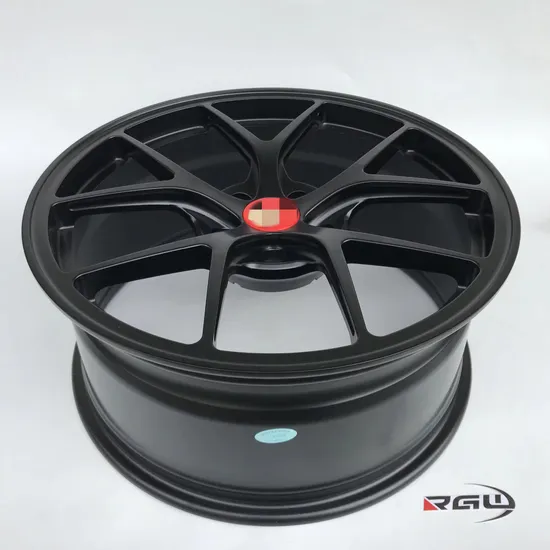 01
WHEEL RIM/HUB
16-20 Inch Racing Car Rims for BMW/Audi A3A4/Civic
View Specifications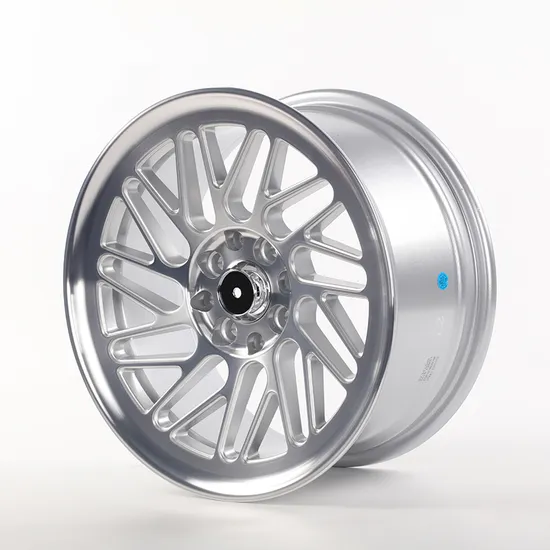 02
WHEEL RIM/HUB
17-22 Inch Forged Aluminum Alloy Car Rims Chrome Wheels China
View Specifications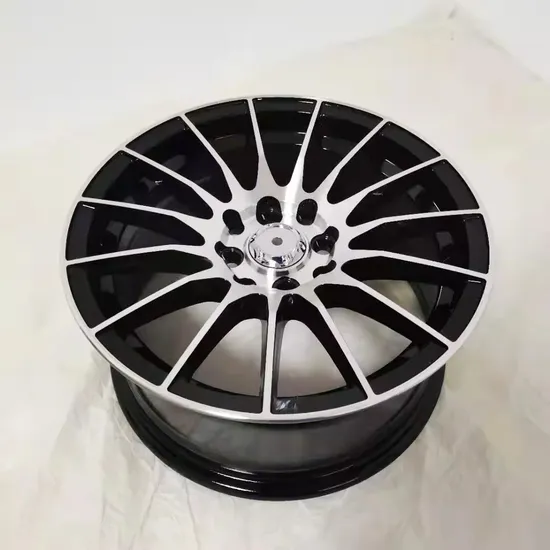 03
WHEEL RIM/HUB
High-Performance 15 Inch 4X100 4lug Aluminum Racing Car Rims
View Specifications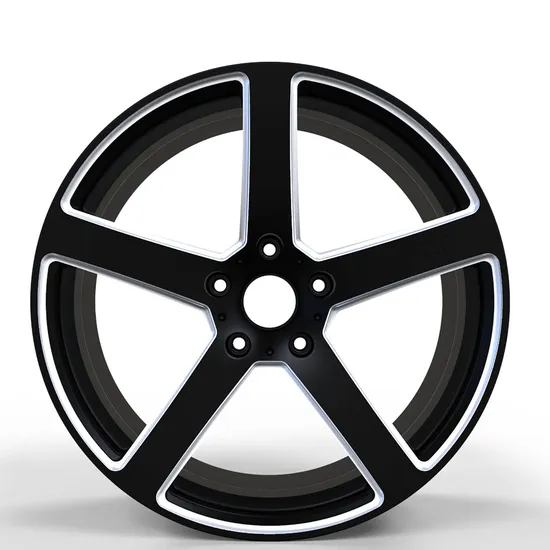 04
WHEEL RIM/HUB
Forged Alloy Wheels 17-21 Inch 5X114.3 Racing Car Rims Hub
View Specifications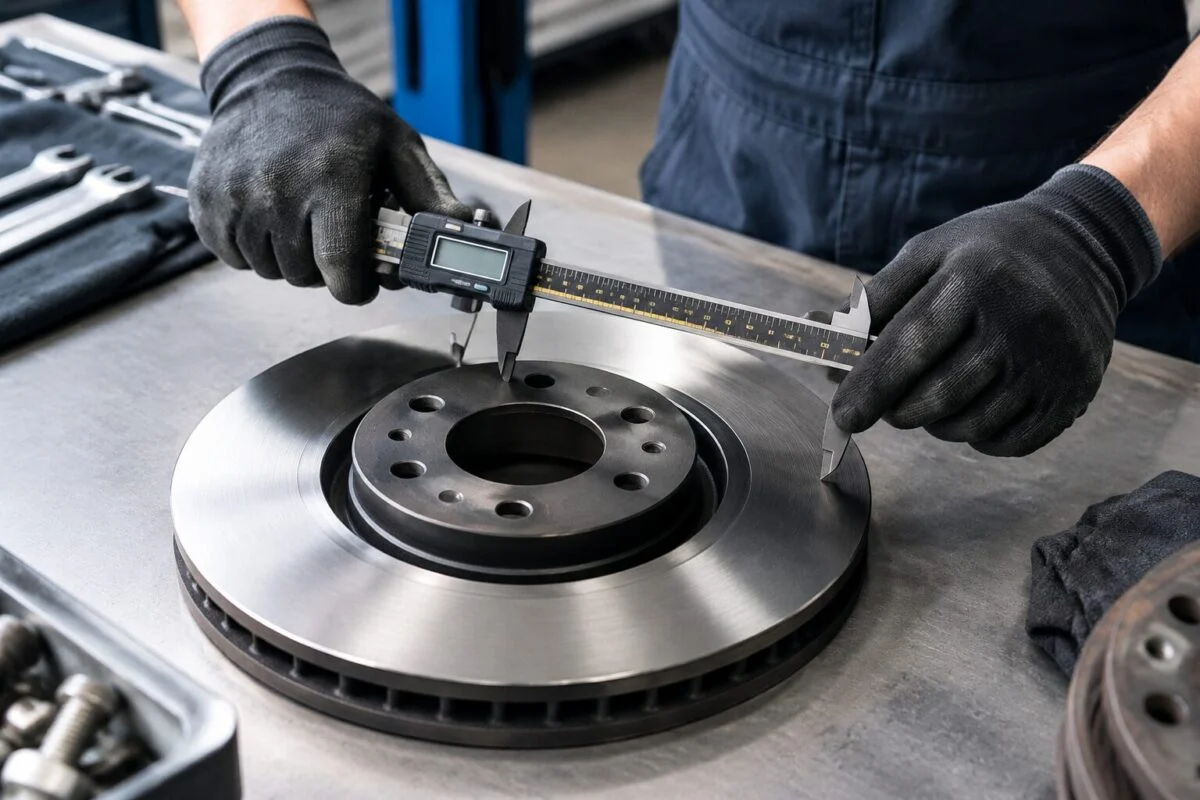
OE Fitment Check
Not sure it fits? Send us the OE number and we'll check it.
Jinan Yoker Auto Parts matches brake discs, drums, radiators, A/C condensers and wheel rims by OE number, vehicle model and year, PCD, ET and CB, so the parts fit before they ship.
- Factory-direct quote within 24 hours
- Free samples before bulk orders
- 10% off first order for new buyers (terms apply)
- Condenser MOQ from 10 PCS
Keep Reading
Related guides on auto parts sourcing
Buying Guide · · 10 min read
Buy Alloy Wheels Best Price 2026 Wholesale Supplier
Buy Alloy Wheels Best Price 2026 by aligning raw material, process, and volume variables rather than chasing low quotes. Discover how factory-direct sourcing compresses…
Read the Guide
Buying Guide · · 7 min read
Buy Alloy Wheels Wholesale Price | Factory Direct OEM Supplier
Stop guessing your real landed cost when you Buy Alloy Wheels Wholesale Price. Discover how manufacturing processes, MOQ tiers, and hidden certification fees shape…
Read the Guide Buying Guide · · 9 min read
Alloy Wheels Price in USA: 2026 Wholesale Supplier Guide
Navigate US alloy wheel wholesale prices by mastering cost drivers beyond rim size. Discover how manufacturing process, DOT certification, and hidden fees like tooling…
Read the Guide