
Alloy Wheel Supplier for Saudi Arabia: China Factory Direct Wholesale
- By author
- Buying Guide
Alloy Wheel Supplier for Saudi Arabia: China Factory Direct Wholesale
The cheapest wheel per piece is never the cheapest wheel on the road.
For Saudi buyers sourcing from China, the real cost is hidden in customs holds, coating failures under 50°C heat, and batch inconsistency—not in the unit price. A reliable alloy wheel supplier for Saudi Arabia must pass SABER/SASO certification, deliver Arabic-compliant packaging, and guarantee PCD/ET accuracy for Toyota and Hyundai fitments.
I still remember standing inside a sweltering warehouse in Jeddah, watching a full container of 18-inch machined-face wheels sit unclaimed for over a month. The cargo was mechanically perfect. The paperwork was complete. But the outer carton labels lacked Arabic text, and Saudi customs refused to clear the shipment. The storage fees alone ended up exceeding the profit margin of the entire order. That moment reshaped how I approach every Middle East shipment—because choosing an alloy wheel supplier for Saudi Arabia is not about catalog pictures; it is about what happens after the container leaves the port. [NEED_CITE: SABER certification requirements for automotive wheel imports into Saudi Arabia]
Let me walk you through what actually matters when you source from a Chinese factory for the Saudi market.
What Specs Do Saudi Buyers Actually Need?
The answer is not "bigger is better"—it is "fitment accuracy beats fashion."
The Saudi aftermarket is dominated by Toyota Land Cruiser, Hilux, Camry, and Hyundai Sonata. These vehicles share a common bolt pattern: 5×114.3, with offset values typically ranging between +35 and +45 for 17-inch to 20-inch diameters. [NEED_CITE: common PCD and offset specifications for Toyota and Hyundai models in GCC markets] Many overseas buyers assume that stocking 22-inch or 24-inch wheels will attract premium customers, but the reality is that oversized fitments require suspension modifications that most retail buyers in the region are unwilling to pay for.
| Parameter | Saudi Market Mainstream | Common Misorder | Risk Level |
|---|---|---|---|
| Diameter | 17"–20" | 22"–24" | High |
| PCD | 5×114.3 / 5×120 | 5×100 / 4×100 | Critical |
| Offset (ET) | +35 to +45 | +20 or +55 | High |
| Center Bore | 73.1mm / 106.1mm | 56.1mm / 64.1mm | Critical |
| Load Rating | ≥690 kg per wheel | Unverified | Medium |
A distributor in Riyadh once ordered a mixed container of 18-inch and 20-inch wheels with a trendy deep-concave design. The style was stunning in photos. But the center bore was 73.1mm while the local Land Cruiser fleet required 106.1mm. The wheels physically could not mount without hub-centric rings, and end-users refused to accept that solution. The entire batch became dead stock. [NEED_CITE: hub-centric ring acceptance rate in GCC aftermarket]
When you evaluate an alloy wheel supplier for Saudi Arabia, ask for their fitment database first—not their style catalog. The supplier who can cross-reference your target vehicle list with exact PCD, ET, center bore, and load rating data will save you from inventory that never moves.
Which Certifications Prevent Customs Holds?
SABER and SASO are not optional paperwork—they are physical gates at the port.
Saudi Arabia’s SABER electronic certification platform requires every imported automotive wheel to carry a Product Certificate (PC) and a Shipment Certificate (SC), both issued through the platform before the cargo arrives. [NEED_CITE: SABER platform registration process for automotive alloy wheels] Without these, customs will not release the container, regardless of whether the wheels themselves meet international quality standards like VIA, TÜV, or JWL.
Here is what I have seen repeatedly: factories that hold VIA or TÜV certificates assume those are sufficient for Saudi clearance. They are not. VIA and TÜV validate structural integrity and manufacturing quality. SABER validates compliance with Saudi-specific technical regulations, which include load index verification, marking requirements, and sometimes additional testing per SASO standards. You need both layers.
| Certification | What It Proves | Required for Saudi Customs? |
|---|---|---|
| VIA / JWL | Structural durability, impact resistance | No—supports credibility only |
| TÜV | Engineering compliance, material traceability | No—supports credibility only |
| ISO 9001 | Quality management system | No |
| SABER PC + SC | Saudi regulatory compliance | Yes—mandatory |
| SASO test report | Product-specific Saudi standard | Yes—often required |
A wholesale buyer in Jeddah shared with me that a competitor’s container was held for nearly two months because the factory provided a SASO test report that was over twelve months old. SABER requires current, shipment-linked documentation. An expired report is the same as no report. [NEED_CITE: SABER certificate validity period and renewal requirements]
When vetting an alloy wheel supplier for Saudi Arabia, request a copy of their active SABER PC for the exact wheel model you are ordering. If they cannot produce it, or if the certificate lists a different product category, you are looking at a guaranteed customs delay.
How to Avoid Packaging and Labeling Mistakes?
Arabic labeling is not a courtesy—it is a legal requirement, and getting it wrong costs more than the wheels themselves.
Saudi customs regulations mandate that all imported consumer goods, including automotive wheels, carry product markings and outer packaging labels in Arabic. [NEED_CITE: Saudi customs labeling requirements for imported automotive components] This includes the product name, specifications, country of origin, manufacturer information, and any safety warnings. The label must be permanently affixed—not a loose sticker that can fall off during transit.
I have developed a checklist over the years that I run before every Middle East container leaves the loading dock:
- Outer carton: Arabic product description, size, PCD, ET, load rating, country of origin ("Made in China" in Arabic and English)
- Inner protection: Each wheel wrapped individually with foam dividers to prevent coating scratches during the Red Sea transit
- Shipping marks: Consignee name, destination port, container number, gross/net weight—all in Arabic and English
- Mixed-load manifest: If the container holds multiple SKUs, a detailed packing list in Arabic must be attached inside the door pocket, listing every carton’s contents by position
A buyer in Dammam received a container where the wheels were perfectly packed but the shipping marks were only in English. The customs inspector flagged it for "incomplete labeling." The container sat in the port yard, and the demurrage charges accumulated daily. By the time a local agent reprinted and reattached Arabic labels, the additional cost had erased the buyer’s margin entirely. [NEED_CITE: Saudi port demurrage fee structure for labeling non-compliance]
The alloy wheel supplier for Saudi Arabia you choose must have a proven track record of Arabic-compliant packaging—not just the willingness to print labels, but the discipline to verify every carton before sealing the container.
Factory Direct vs Trading Company: Where is the Real Savings?
The price gap between factory direct and trading company is substantial—but only if you verify what "factory direct" actually means.
A genuine factory-direct alloy wheel supplier for Saudi Arabia typically offers unit pricing noticeably lower than trading companies, because there is no middleman markup. However, many trading companies present themselves as factories online, using stock photos and borrowed certificates. The real test is whether the supplier can demonstrate production capacity, quality control infrastructure, and certification ownership.
Here is what separates a true factory from a reseller posing as one:
| Verification Point | Real Factory | Trading Company Posing as Factory |
|---|---|---|
| Certification ownership | Certificates list the factory’s own name | Certificates are borrowed or transferred |
| Production line access | Willing to host live video audit or in-person visit | Deflects with "production is scheduled" excuses |
| Custom mold capability | In-house engineering team, mold lead time verifiable | Outsourced, timeline unclear |
| Quality control documents | Provides in-house inspection reports per shipment | Relies on supplier’s generic reports |
| SABER registration | Registered under the factory’s own entity | Uses a third-party exporter of record |
Jinan Yoker Auto Parts Co., Ltd. operates under this factory-direct model. With an annual production capacity of ten million pieces, the facility covers wheel sizes from 12 inches to 24 inches across passenger cars, SUVs, trucks, and motorcycles. The factory holds ISO, VIA, TÜV, DOT, JWL, and CCC certifications under its own name, and supports full OEM and ODM customization with minimum order quantities starting from twenty pieces for stock models and one hundred pieces for custom designs. [NEED_CITE: Jinan Yoker production capacity and certification portfolio] More importantly for the Saudi market, the factory maintains active SABER registration and provides complete customs documentation packages—including Arabic labeling templates and shipment-specific SASO test reports—so that buyers do not face surprises at Jeddah or Dammam ports.
The lead time for standard orders runs between fifteen and thirty days, and the factory offers a three-year structural warranty. For buyers who need to test the Saudi market with smaller initial orders, the low MOQ threshold allows SKU-level diversification without overcommitting capital.
Conclusion
Sourcing alloy wheels for Saudi Arabia is a compliance game disguised as a price game.
The alloy wheel supplier for Saudi Arabia who wins your long-term business is not the one with the lowest quote—it is the one who delivers accurate fitment data for Toyota and Hyundai platforms, holds active SABER and SASO documentation, enforces Arabic labeling discipline on every carton, and operates with transparent factory-direct pricing backed by verifiable certifications. Get those four elements right, and the wheels will sell. Get any one of them wrong, and your container will not leave the port.
Related Applications
Parts in This Article
Products mentioned above
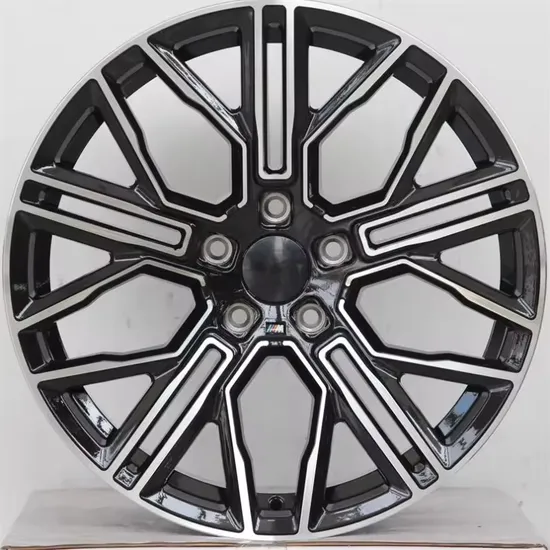 01
WHEEL RIM/HUB
19inch Car Aluminum Alloy Wheel PCD5*120 Aftermarket Sale
View Specifications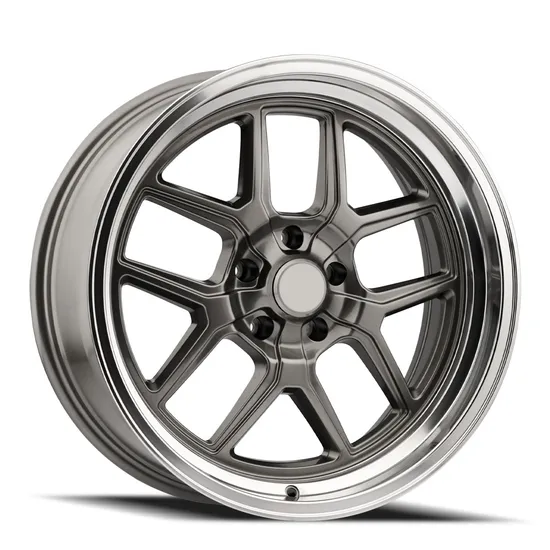 02
WHEEL RIM/HUB
19-Inch 5X120 PCD Et35 Custom Alloy Wheels for Performance
View Specifications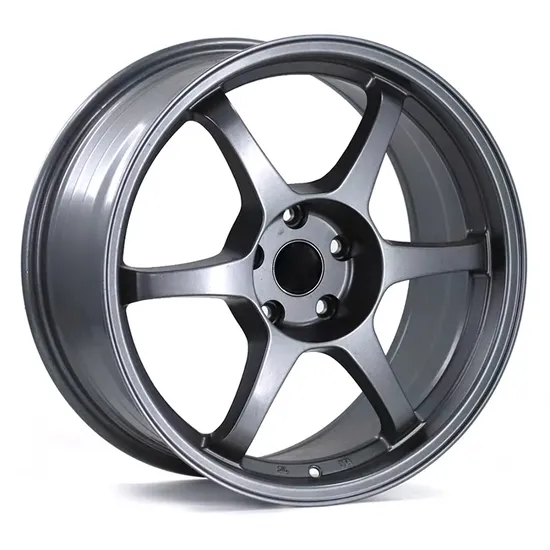 03
WHEEL RIM/HUB
Flow Form Rims 15X6.5 4Holes 6Spokes Lightweight Racing Alloy Wheels
View Specifications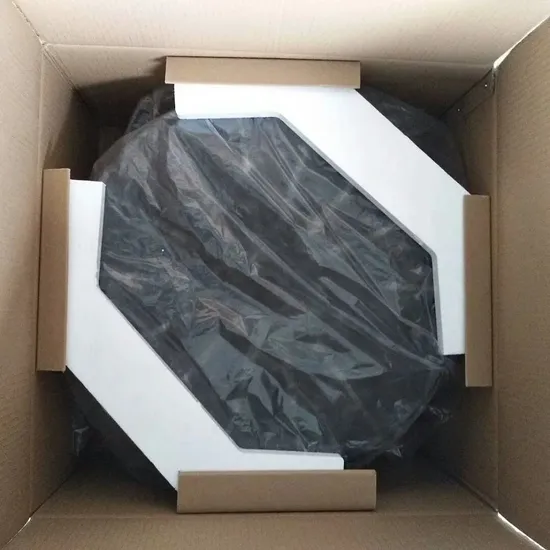 04
WHEEL RIM/HUB
20 22 Inch 5 Hole 120 Luxury Car Alloy Wheels Rim
View Specifications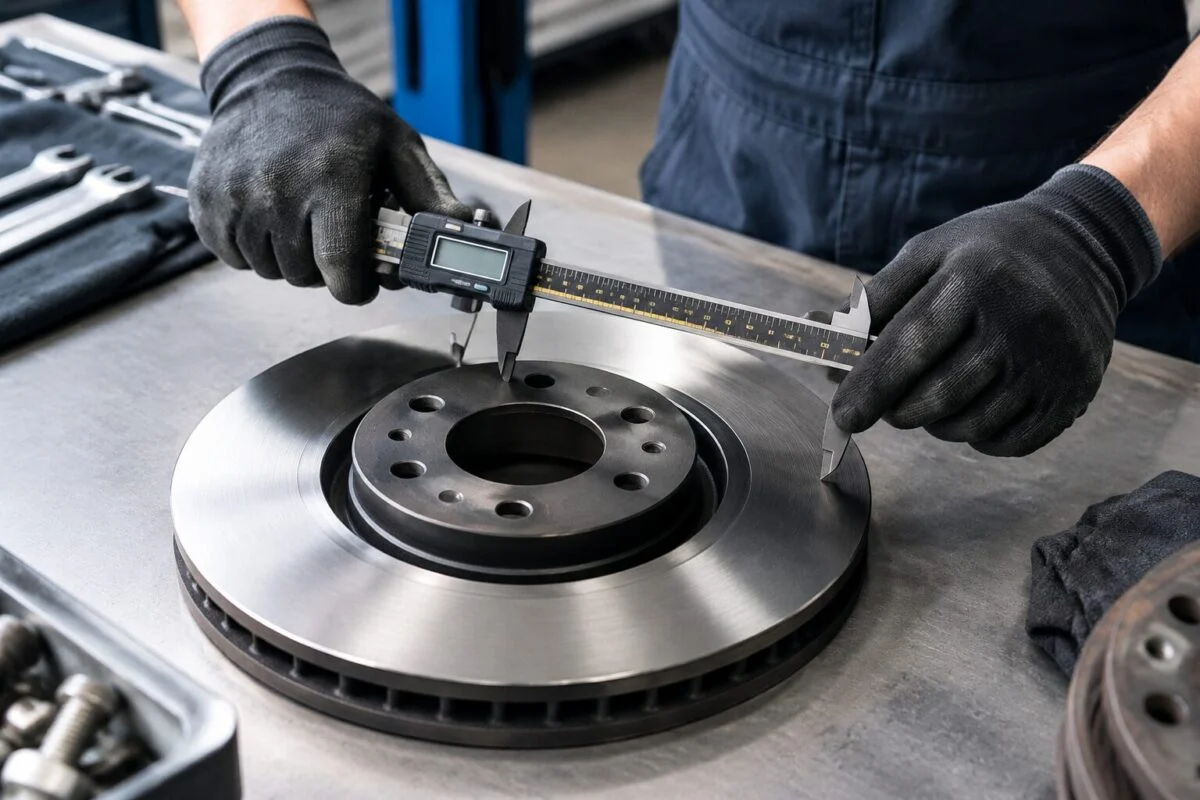
OE Fitment Check
Not sure it fits? Send us the OE number and we'll check it.
Jinan Yoker Auto Parts matches brake discs, drums, radiators, A/C condensers and wheel rims by OE number, vehicle model and year, PCD, ET and CB, so the parts fit before they ship.
- Factory-direct quote within 24 hours
- Free samples before bulk orders
- 10% off first order for new buyers (terms apply)
- Condenser MOQ from 10 PCS
Keep Reading
Related guides on auto parts sourcing
Buying Guide · · 11 min read
Buy 13 Inch Alloy Wheels with VIA TUV Certification Wholesale Supplier
Sourcing 13 inch alloy wheels with VIA TUV certification requires verifying certificate numbers against official databases to avoid costly customs rejections. Learn to distinguish…
Read the Guide
Buying Guide · · 11 min read
Car Rims 12″-24″ Wholesale Supplier | Jinan Yoker OEM Factory Direct
Stop comparing flat per-piece quotes for car rims price in Australia. Real costs depend on surface finish, certification tier, and order volume rather than…
Read the Guide
Buying Guide · · 10 min read
Buy 22 Inch Alloy Wheels Factory Direct Price
Unlock transparent 22 inch alloy wheels factory direct price with verified certification and logistics insights. Avoid hidden costs by understanding MOQ impacts, regional compliance…
Read the Guide