
Alloy Wheel Rims 12″-24″ Wholesale Supplier | Factory-Direct OEM Price
- By author
- Buying Guide
Alloy Wheel Rims 12"-24" Wholesale Supplier | Factory-Direct OEM Price
The biggest mistake Malaysian buyers make is comparing rim prices by diameter alone—surface finish and certification tier actually drive the real cost gap.
Car rims price in Malaysia for 2026 depends on four variables: rim diameter, surface treatment complexity, certification level required for import clearance, and order quantity tier. Sourcing directly from a verified factory rather than through trading intermediaries typically reduces landed cost by a significant margin, provided the buyer understands specification matrices and avoids parameter mismatches that cause entire containers to become unsellable.
Early in my career handling export documentation at Ningbo Port, I processed hundreds of wheel rim containers bound for Southeast Asia. The paperwork always looked perfect—commercial invoices, packing lists, certificates of origin—all neatly stamped. Then a modification shop in Penang received a batch of 17-inch mesh wheels and found the center bore was off by half a millimeter. Every single rim failed to mount on their hub. The demurrage charges alone exceeded the original profit margin on the entire shipment. That incident reshaped how I approach every rim order: verify parameters with caliper measurements before production, not after customs clearance. When sourcing car rims price in Malaysia, parameter confirmation is the single most effective cost-control measure.
Understanding how these pricing variables interact helps buyers make informed sourcing decisions and avoid costly surprises during import.
What Factors Determine Car Rims Price in Malaysia 2026?
Rim pricing follows a four-dimensional structure: diameter range, surface finish type, certification tier, and minimum order quantity—each layer adds or reduces cost independently.
The car rims price in Malaysia market reflects global aluminum alloy pricing trends combined with regional import duties and certification compliance costs. Buyers who understand each dimension can negotiate more effectively and avoid paying for unnecessary specifications—or worse, under-specifying and facing customs rejection.
Diameter remains the most visible cost driver, but it operates within predictable bands. Smaller diameters require less raw material and simpler casting molds, while larger diameters demand more precise flow-forming or forging processes to maintain structural integrity at reduced wall thickness [NEED_CITE: aluminum alloy wheel manufacturing cost structure by diameter range].
Surface finish introduces complexity that many buyers overlook until the invoice arrives. A basic matte black painted rim costs substantially less to produce than a mirror-machined face with chrome lip, because the machining process requires additional CNC passes, protective coating, and higher rejection rates during quality inspection.
Certification requirements directly affect both unit cost and market access. Rims produced without proper certification may appear cheaper initially, but they carry the risk of customs detention or rejection upon arrival in Malaysia. The cost of re-exporting or scrapping a full container far exceeds the initial savings from skipping certification [NEED_CITE: Malaysia import regulations for automotive alloy wheels requiring international certification standards].
Order quantity determines whether a buyer accesses stock pricing or custom production pricing. Stock models in standard sizes and finishes can ship in small quantities with short lead times, while custom colors, specific PCD patterns, or branded center caps require dedicated production runs with higher minimums.
| Pricing Dimension | Basic Tier | Mid Tier | Premium Tier |
|---|---|---|---|
| Diameter Range | 12"-15" | 16"-18" | 19"-24" |
| Surface Finish | Single-color paint | Machined face with painted pockets | Full chrome or multi-step CNC |
| Certification | Self-reported only | VIA or JWL certified | VIA/JWL/DOT/TÜV multi-certified |
| Order Quantity | Custom production MOQ | Stock model low MOQ | Stock model container load |
A modification shop in Kuala Lumpur once ordered a batch of 18-inch deep concave rims for a popular Japanese sedan platform. They selected a hyper silver finish with machined face because it matched their showroom display aesthetic. The per-unit cost was noticeably higher than matte black alternatives, but the visual appeal justified the premium for their retail customers. The key was understanding that the finish choice was a deliberate business decision, not an accidental cost overrun.
When evaluating car rims price in Malaysia, buyers should request detailed quotations that break down each dimension separately, allowing clear comparison between suppliers and informed decisions about specification trade-offs.
How to Compare Alloy Wheel Prices by Size and Finish?
The 15-18 inch range dominates Malaysian aftermarket demand, but price differences within this band vary dramatically based on finish complexity rather than diameter alone.
Understanding the price matrix helps buyers allocate budget effectively. A modification shop stocking popular Toyota Vios or Honda City fitments needs different pricing intelligence than a distributor filling container loads for regional wholesale.
The 15-17 inch segment serves the highest volume of daily drivers and budget-conscious modification customers. These sizes maintain strong demand because they match OEM specifications for many Japanese and Korean vehicles prevalent on Malaysian roads. Pricing in this segment is competitive, and buyers benefit from established production lines that manufacturers run continuously.
The 18-inch range represents the sweet spot for visual impact without sacrificing ride quality. Deep concave designs and multi-spoke patterns perform exceptionally well at this diameter, making it popular among enthusiasts willing to pay a premium for aggressive styling.
The 19-24 inch segment targets luxury vehicle upgrades and show car builds. Production volumes are lower, and the technical demands of maintaining structural integrity at large diameters with thin spokes increase manufacturing complexity.
| Diameter | Typical Applications | Finish Complexity Impact | Price Positioning |
|---|---|---|---|
| 15"-16" | Daily drivers, fleet vehicles | Minimal—single paint colors dominate | Entry-level wholesale |
| 17"-18" | Aftermarket upgrades, popular sedans | Moderate—machined face options widely available | Mid-range volume |
| 19"-20" | SUV upgrades, performance sedans | High—multi-step finishes common | Premium aftermarket |
| 21"-24" | Luxury vehicles, show cars | Very high—chrome and custom colors standard | Specialty low-volume |
Surface finish comparison reveals cost drivers that diameter alone cannot explain. A 17-inch rim with gloss black paint requires standard powder coating application and curing. The same diameter with machined face requires CNC turning after painting, adding production time and introducing rejection risk if the machining reveals casting defects beneath the surface layer [NEED_CITE: alloy wheel surface treatment cost comparison across finish types].
Chrome plating represents the highest finish cost tier. The process involves multiple chemical baths, precise temperature control, and extended processing time. Rejection rates during chrome production are substantially higher than paint finishes because any surface imperfection becomes permanently visible in the reflective chrome layer.
A tire retailer in Johor Bahru stocks both 17-inch matte black and machined face versions of the same popular design. The machined face variant costs noticeably more per unit, but it outsells the matte black version by a significant margin because Malaysian modification customers associate the shiny face with premium quality. The retailer accepts the higher unit cost because the faster inventory turnover and higher retail margin more than compensate.
When comparing car rims price in Malaysia across suppliers, request samples of identical diameter and design in different finishes to understand the true cost differential before committing to large orders.
Which Certifications Matter for Malaysia Rim Imports?
VIA and JWL certifications serve as the primary通行证 for Malaysian rim imports, while DOT certification becomes relevant only for buyers planning North American resale.
Malaysian customs authorities require imported alloy wheels to meet international safety standards, and certification documentation must accompany every shipment. Buyers who source rims without proper certification face the risk of customs detention, forced re-export, or destruction of the entire shipment at the buyer’s expense.
The Vehicle Inspection Agency certification originated in Japan and remains the most widely recognized standard across Southeast Asian markets. JWL certification, also Japanese in origin, focuses on structural integrity testing including dynamic radial fatigue, dynamic cornering fatigue, and impact testing [NEED_CITE: international alloy wheel certification standards comparison for Southeast Asian markets].
For Malaysian buyers serving domestic modification shops and retail customers, VIA or JWL certification provides sufficient documentation for smooth customs clearance. These certifications demonstrate that the rims have undergone standardized testing protocols and meet minimum safety requirements for road use.
DOT certification becomes necessary when Malaysian buyers plan to resell rims into the North American market. The US Department of Transportation requires specific marking and testing compliance, and rims entering the United States without proper DOT documentation face rejection at the border.
TÜV certification, originating from German testing authorities, carries premium recognition in European markets. While not required for Malaysian imports, TÜV-certified rims command higher prices in markets where European vehicle owners seek matching certification for their modifications.
| Certification | Primary Market Access | Testing Scope | Relevance for Malaysian Buyers |
|---|---|---|---|
| VIA | Japan, Southeast Asia | Structural fatigue and impact | Essential for domestic clearance |
| JWL | Japan, Southeast Asia | Structural fatigue and impact | Essential for domestic clearance |
| DOT | United States, Canada | Marking and material compliance | Required only for North American resale |
| TÜV | Germany, European Union | Comprehensive safety and quality | Optional premium positioning |
| CCC | China domestic market | Chinese national standards | Not applicable for Malaysian imports |
A distributor in Selangor once purchased a container of unmarked rims at a price that seemed exceptionally attractive. When the shipment arrived at Port Klang, customs officers requested certification documentation. The supplier could provide only self-reported test results with no third-party verification. The entire container was held for three months while the buyer attempted to negotiate retroactive certification, ultimately resulting in re-export at a loss that exceeded the original purchase price several times over.
When evaluating car rims price in Malaysia, always confirm that quoted prices include proper certification documentation, and verify that the certification matches your target market requirements before placing orders.
How to Avoid Hidden Costs When Ordering Rims from China?
Parameter mismatches, inadequate packaging, and incomplete customs documentation transform attractive unit prices into expensive lessons for Malaysian importers.
The quoted FOB price represents only the starting point of total landed cost. Hidden expenses emerge when specifications don’t match actual vehicle requirements, when rims arrive damaged due to insufficient packaging, or when customs clearance delays generate demurrage charges that dwarf the original savings.
Parameter confirmation must occur before production begins, not after goods arrive. The critical parameters include PCD, center bore diameter, offset, and width. Even small deviations render rims unusable for their intended application. A center bore that is too small prevents mounting entirely, while a center bore that is too large requires hub-centric rings that may not be readily available in the Malaysian market.
A modification shop in Penang ordered 18-inch rims for a specific European sedan platform. The supplier confirmed the PCD and offset correctly, but the center bore was manufactured to a different standard than the original wheels. The half-millimeter difference prevented direct mounting, and sourcing hub-centric rings locally proved impossible within the customer’s timeline. The entire order became dead stock, representing a total loss on the purchase.
Packaging standards directly affect damage rates during ocean transit. Rims shipped without individual protective bags, without cardboard separators, or without reinforced pallet stacking arrive with curb rash, paint chips, or bent lips. The cost of repainting or replacing damaged rims eliminates any initial price advantage.
Customs documentation completeness determines clearance speed. Commercial invoices, packing lists, certificates of origin, and certification test reports must all align perfectly. Discrepancies between documents trigger inspections that delay clearance and generate storage charges at the port.
| Hidden Cost Category | Prevention Method | Consequence of Neglect |
|---|---|---|
| Parameter mismatch | Caliper verification before production | Entire order unusable, total loss |
| Transit damage | Individual bagging, cardboard separation, reinforced pallets | Repainting or replacement costs |
| Customs delay | Complete and consistent documentation package | Demurrage charges exceeding product value |
| Certification rejection | Third-party certified test reports | Forced re-export or destruction |
A tire retailer in Kuala Lumpur developed a standard operating procedure requiring photographic evidence of caliper measurements for every rim order before approving production. This practice added several days to the ordering process but eliminated parameter-related losses entirely. The retailer considers this verification step non-negotiable regardless of supplier promises.
When comparing car rims price in Malaysia from different suppliers, factor in the total cost of parameter verification, packaging standards, and documentation support rather than focusing solely on unit price.
What MOQ and Lead Time Should Malaysian Buyers Expect?
Stock models typically require minimal minimum order quantities with rapid shipment, while custom specifications demand higher commitments and extended production schedules.
Understanding the relationship between order customization level and supplier requirements helps Malaysian buyers plan inventory and cash flow effectively. The car rims price in Malaysia varies significantly between stock availability and custom production, and buyers must align their purchasing strategy with their business model.
Stock models represent designs that manufacturers produce continuously in standard sizes, finishes, and fitments. These rims remain available in warehouse inventory, allowing suppliers to fulfill small orders quickly. Modification shops and tire retailers benefit from stock model availability because they can maintain diverse inventory without committing to large minimum orders.
Custom specifications include non-standard colors, specific PCD patterns for particular vehicle platforms, branded center caps, or unique design modifications. These requirements demand dedicated production runs, requiring manufacturers to set up production lines specifically for that order. The setup cost and production scheduling constraints result in higher minimum order quantities and longer lead times.
| Order Type | Typical Minimum Quantity | Production Lead Time | Best Suited For |
|---|---|---|---|
| Stock models | Small quantity acceptable | Rapid shipment from inventory | Modification shops, tire retailers |
| Custom color only | Moderate quantity required | Standard production schedule | Distributors building brand identity |
| Full custom specification | Higher quantity required | Extended production and testing | Large distributors, OEM projects |
A modification shop in Kuala Lumpur maintains relationships with multiple suppliers to balance inventory variety with cash flow constraints. For popular sizes and designs, they order small quantities of stock models, allowing rapid inventory turnover. For exclusive designs that differentiate them from competitors, they commit to larger custom orders that justify the higher minimum requirements.
OEM projects for automotive manufacturers or large distributors require the highest minimum quantities and most rigorous quality control protocols. These orders often involve long-term supply agreements, consistent quality requirements across production batches, and comprehensive documentation for regulatory compliance in multiple markets.
Malaysian buyers should communicate their business model clearly to suppliers, allowing appropriate recommendations for stock versus custom ordering strategies that optimize both inventory investment and product availability.
Conclusion
Car rims price in Malaysia reflects specification complexity, certification requirements, and order volume rather than diameter alone. Buyers who master parameter verification, understand certification requirements, and align ordering strategies with business models secure better value and avoid costly mistakes. Direct factory sourcing with proper documentation support provides the most reliable path to consistent quality and competitive pricing in the Malaysian market.
Related Applications
Parts in This Article
Products mentioned above
 01
WHEEL RIM/HUB
15-18 Inch High End Racing Beadlock Car Wheels
View Specifications 02
WHEEL RIM/HUB
Custom Forged 5X114.3/120/112 Alloy Wheels 15-18 Inch Et35 for Sports Cars
View Specifications 03
WHEEL RIM/HUB
15-18 Inch 4X4 Off-Road Alloy Wheel Mags Rims High Quality
View Specifications 04
WHEEL RIM/HUB
15-18 Inch 6 Spoke Brozen Mag Aluminum Alloy Wheel Rims
View Specifications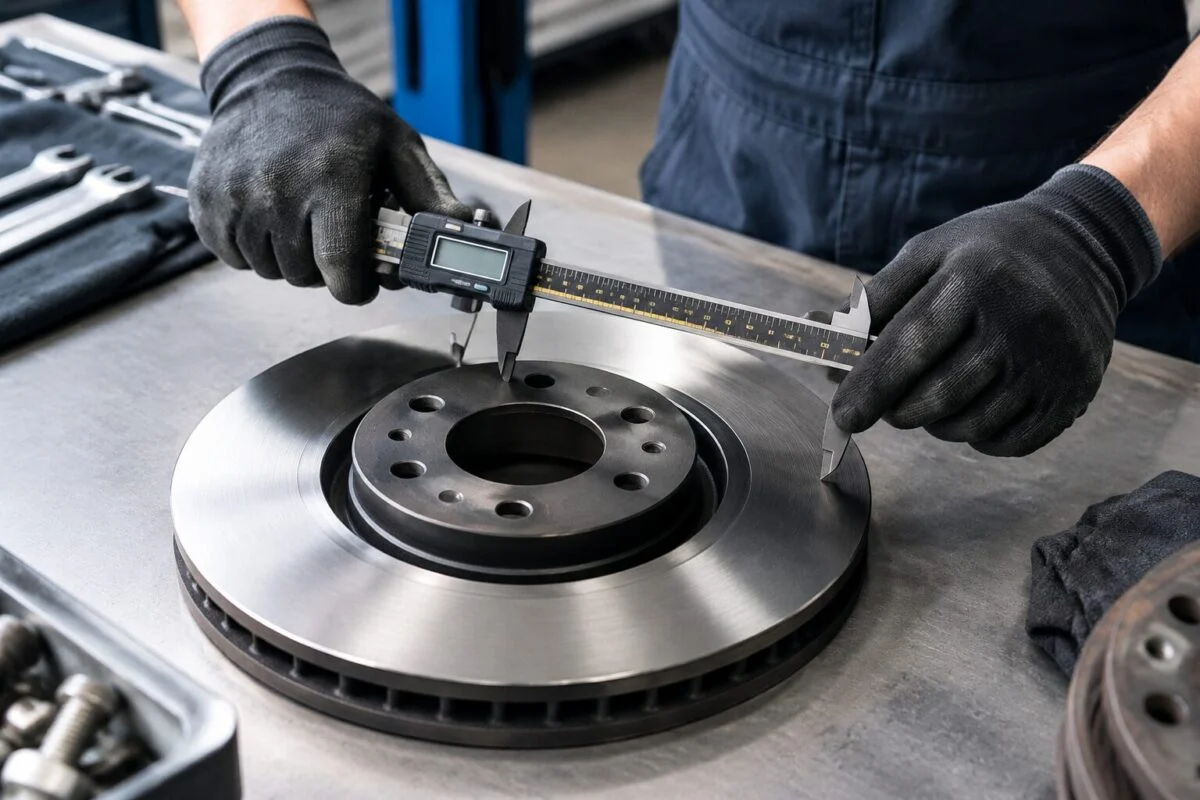
OE Fitment Check
Not sure it fits? Send us the OE number and we'll check it.
Jinan Yoker Auto Parts matches brake discs, drums, radiators, A/C condensers and wheel rims by OE number, vehicle model and year, PCD, ET and CB, so the parts fit before they ship.
- Factory-direct quote within 24 hours
- Free samples before bulk orders
- 10% off first order for new buyers (terms apply)
- Condenser MOQ from 10 PCS
Keep Reading
Related guides on auto parts sourcing

Buying Guide · · 8 min read
Car Rims Price in Iraq: 2026 Wholesale Supplier Guide
Decode car rims price in Iraq for 2026 by breaking down FOB, surface finish, and landed costs. Learn how Umm Qasr port charges and…
Read the Guide
Buying Guide · · 10 min read
14 Inch Alloy Wheels Wholesale Supplier & Factory Direct Price 2026
Avoid costly port rejections by mastering the 14 inch alloy wheels price drivers for 2026. This guide details FOB pricing tiers by finish and…
Read the Guide Buying Guide · · 9 min read
Car Rims Supplier for Pakistan: China Factory Direct OEM Wholesale
Sourcing from a reliable Car Rims Supplier for Pakistan requires verified VIA/JWL certification and fitment data matched to local road conditions. Avoid customs delays…
Read the Guide