
Car Rims Price in Uganda: 2026 Wholesale Buyer Guide
The cheapest FOB quote is almost never the cheapest wheel on the road.
Car rims price in Uganda is determined by four stacked layers: the FOB unit price set by the factory, the manufacturing process tier (casting, flow-forming, or forging), the alloy composition and quality verification standard, and the landed cost through Mombasa or Dar es Salaam including duties, port handling, and inland freight. Buyers who only compare the first layer end up absorbing return freight, customs penalties, and warranty claims that erase the initial savings within a single container.
I first noticed this pattern during a complaint visit to a modification shop in Kampala. The owner had pulled a 17-inch cast wheel off a customer’s car after roughly twenty thousand kilometers—the spoke root had cracked clean through. He cut the rim open with an angle grinder and showed me the fracture surface. The grain structure was coarse, with visible porosity near the hub bore, a classic sign of high recycled-aluminum content mixed without proper degassing. The factory’s outgoing inspection had passed the batch because the visual and basic dimensional checks were fine, but East African road conditions—potholes, speed bumps loaded beyond rated weight, laterite roads with sharp stones—are far more punishing than the smooth test loops used in most Chinese quality labs. After that visit, I stopped looking at FOB numbers first. I now ask for the alloy composition report and the X-ray inspection log before I even open the quotation spreadsheet. [NEED_CITE: typical failure modes of low-quality aluminum alloy wheels under heavy-load rough-road conditions]
If you are sourcing for the Ugandan market, the rest of this guide walks through what actually moves the car rims price in Uganda, where the hidden costs sit, and how to verify quality before you commit to a full container.
What Determines Car Rims Price in Uganda?
The final price a Ugandan buyer pays is never the FOB number—it is a four-layer stack, and the bottom three layers often matter more than the first.
The first layer is the FOB unit price, which is what most buyers focus on when scrolling through supplier listings. This number reflects raw aluminum ingot cost, the manufacturing process, surface treatment, and the factory’s margin. The second layer is the process tier: gravity-cast wheels are the cheapest, flow-formed (also called rotary-forged) wheels sit in the middle, and fully forged wheels command the highest FOB price. The third layer is alloy composition and quality control. A wheel made from certified primary A356 alloy with controlled strontium modification and proper T6 heat treatment costs noticeably more than one blended from mixed recycled scrap, yet both can look identical from the outside. [NEED_CITE: metallurgical differences between primary A356 and recycled aluminum blends in wheel manufacturing] The fourth layer is the landed cost: ocean freight to Mombasa or Dar es Salaam, marine insurance, Tanzanian or Kenyan import duty, VAT, port handling charges, and trucking to Kampala.
Most buyers fixate on layer one because it is the only number visible on a quotation sheet. But layers two, three, and four are where margins either survive or disappear. A container of wheels that looks cheap on paper can turn expensive the moment a batch fails customs inspection, or cracks start showing up at the spoke roots six months into service.
Price Range by Size and Manufacturing Process (15"-20")
Car rims price in Uganda shifts significantly across size and process, and the direction of the shift is not always what first-time buyers expect.
The table below summarizes typical wholesale pricing tiers for the most common passenger-car and light-SUV sizes sold in Uganda. Prices are expressed as qualitative ranges rather than fixed numbers, because aluminum ingot prices, exchange rates, and order volume all cause movement.
| Size | Gravity Cast | Flow-Formed | Fully Forged |
|---|---|---|---|
| 15" | Entry tier | Mid tier | Premium tier |
| 16" | Entry tier | Mid tier | Premium tier |
| 17" | Entry-mid tier | Mid tier | Premium tier |
| 18" | Mid tier | Upper-mid tier | Premium tier |
| 19" | Upper-mid tier | Upper-mid tier | Premium tier |
| 20" | Upper-mid tier | Upper-mid tier | Top premium tier |
One counterintuitive point: within the same process family, 15-inch and 16-inch wheels are often priced higher per piece than 17-inch wheels for certain popular SUV fitments. The reason is production volume—17-inch molds run in much larger batches for the global aftermarket, spreading mold amortization over more units, while 15-inch and 16-inch sizes for specific Toyota and Nissan models popular in East Africa are produced in smaller lots. [NEED_CITE: production batch size impact on per-piece mold amortization in alloy wheel manufacturing]
A tire shop owner in Kampala once told me he switched his 17-inch stock from the lowest-priced casting supplier to a mid-tier flow-formed supplier. His customer complaint rate on bent or cracked wheels dropped noticeably within a single rainy season, and his repeat-purchase cycle shortened because customers came back for matching sets rather than single replacements. The per-piece FOB cost was higher, but his effective cost per satisfied customer was lower.
Hidden Costs: Returns, Customs, and Shipping to East Africa
The car rims price in Uganda that shows up on your accounting sheet is heavily shaped by costs that never appear on the supplier’s quotation.
Return freight is the single most damaging hidden cost. When a batch of wheels arrives in Kampala with cracks, severe porosity, or finish peeling, the buyer faces a brutal choice: absorb the loss, or ship the defective wheels back to China. Return ocean freight, combined with the original import duty already paid and non-recoverable port charges, can cost several times the per-piece savings that the cheap FOB price originally offered. I have seen a full container of rejected wheels sit in a Kampala warehouse for months because the return shipping quote alone exceeded the residual value of the entire batch.
Customs delays at Dar es Salaam or Mombasa are another recurring drain. If the supplier cannot provide a complete and consistent set of documents—commercial invoice, packing list, bill of lading, certificate of origin, and any required pre-export verification of conformity—clearance can be delayed by weeks. Demurrage and storage fees at the port accumulate daily. [NEED_CITE: typical documentation requirements for alloy wheel imports through Dar es Salaam and Mombasa ports]
A wholesale buyer based in Kampala once received a container where the batch showed visible color variation across wheels and the dynamic balance values were outside acceptable tolerance. The shipment was held at the port for additional inspection, adding days of delay and stacking up storage charges. The root cause was inconsistent surface treatment and poor pre-shipment balancing checks at the factory—issues that a proper pre-shipment inspection could have caught before the container was sealed.
How to Verify Quality Before Placing Bulk Orders
Car rims price in Uganda is only meaningful when paired with verifiable quality data—ask for it before paying the deposit.
The minimum verification package you should request from any supplier includes three documents. First, an alloy composition report showing the percentages of silicon, magnesium, iron, copper, zinc, and titanium, ideally referencing the A356 or equivalent standard. Second, X-ray inspection records for a representative sample from the production batch, demonstrating that internal porosity and shrinkage cavities are within acceptable limits. Third, dynamic balance and radial runout test data for the finished wheels. [NEED_CITE: industry-standard acceptance criteria for X-ray porosity inspection of aluminum alloy wheels]
Beyond documents, ask about the heat treatment process. Proper T6 heat treatment—solution heat treatment followed by quenching and artificial aging—is what gives A356 alloy its required combination of strength and ductility. Wheels that skip or shortcut this step may pass visual inspection but will fatigue prematurely under real-world loading.
A modification shop in Nairobi once ordered a batch of custom-painted 18-inch wheels from a supplier who provided glossy photos but refused to share X-ray logs. After the wheels arrived, the shop mounted them on customer vehicles and began seeing hairline cracks near the valve stem holes within a few months. The supplier’s response was to blame the road conditions. Without the X-ray data, the shop had no basis to challenge that claim.
When evaluating suppliers, look for those who hold internationally recognized certifications such as ISO, JWL, VIA, or TÜV, and who can provide these certificates with verifiable reference numbers. A factory that maintains multi-certification compliance is structurally compelled to keep its process documentation in order, which directly reduces your risk of receiving a batch with hidden defects. [NEED_CITE: role of ISO, JWL, VIA, and TÜV certifications in ensuring alloy wheel manufacturing quality]
Choosing the Right Supplier for Uganda Market Conditions
The right supplier for the Ugandan market is not the one with the lowest car rims price in Uganda on paper—it is the one whose quality system, documentation capability, and after-sales structure match the realities of East African roads and import logistics.
East African roads place demands on wheels that are fundamentally different from those in Europe, North America, or even coastal China. Pothole impacts, overloaded vehicles, and high ambient temperatures all accelerate fatigue. Wheels designed solely for smooth-road markets will fail prematurely unless the alloy formulation and structural design are specifically adapted. A supplier who understands this will offer alloy recipes optimized for higher impact resistance, and will conduct X-ray inspection at a frequency and coverage level that reflects the operating environment—not the minimum needed to pass a generic standard.
Documentation readiness is equally critical. The supplier must be able to produce a complete, consistent, and correctly formatted document package for every shipment. Missing or mismatched documents cause customs delays that cost money every single day the container sits at the port.
After-sales structure separates transactional suppliers from long-term partners. A supplier who offers a multi-year structural warranty and stands behind it with a clear claim process gives you leverage when problems arise—and problems will arise, even with the best suppliers, because no manufacturing process is perfect. What matters is how the supplier responds. [NEED_CITE: importance of structural warranty and after-sales claim process in alloy wheel supplier selection]
A distributor in Kampala who has sourced wheels from Shandong-based manufacturers for multiple regions noted that the factories with TÜV and JWL certifications consistently produced batches with fewer dimensional deviations and better surface finish consistency. The certification audit cycle forces the factory to maintain process discipline even during peak production periods, which directly benefits the buyer receiving the goods thousands of kilometers away.
Conclusion
Car rims price in Uganda is a layered figure, not a single number. FOB cost, manufacturing process, alloy quality, and landed expenses all stack together to determine what you actually pay per wheel that stays on the road. Buyers who verify alloy composition, demand X-ray inspection records, and choose suppliers with internationally recognized certifications and complete documentation capability consistently avoid the return freight and customs penalties that erase the savings from cheap quotes. The lowest price on a spreadsheet is rarely the lowest cost in practice.
Related Applications
Parts in This Article
Products mentioned above
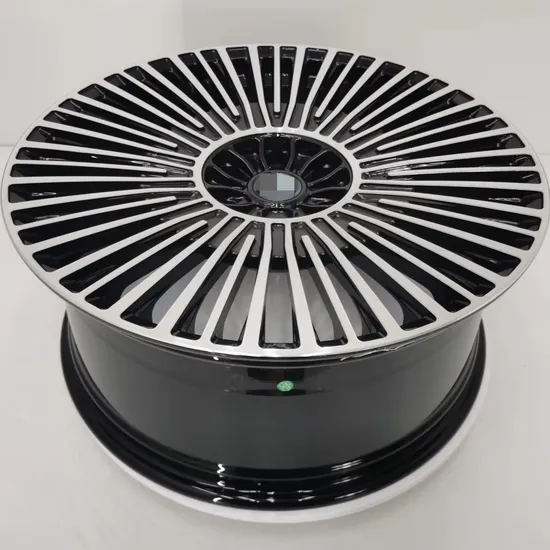 01
WHEEL RIM/HUB
A356 Aluminum Alloy 6 Holes Black Machined Car Wheel Rim
View Specifications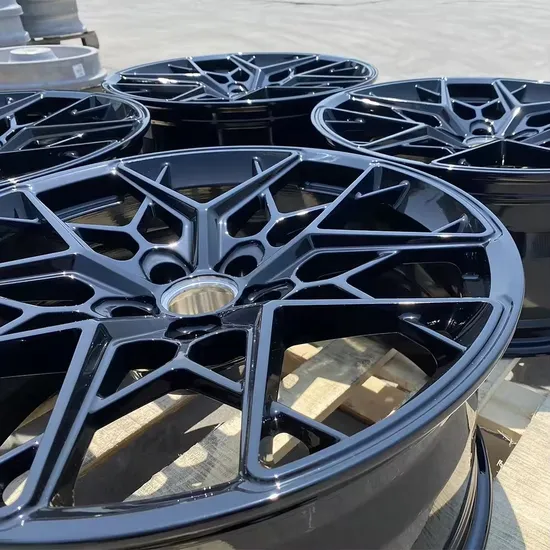 02
WHEEL RIM/HUB
A356 Aluminum 5-Hole Black Aftermarket Car Wheel Rim
View Specifications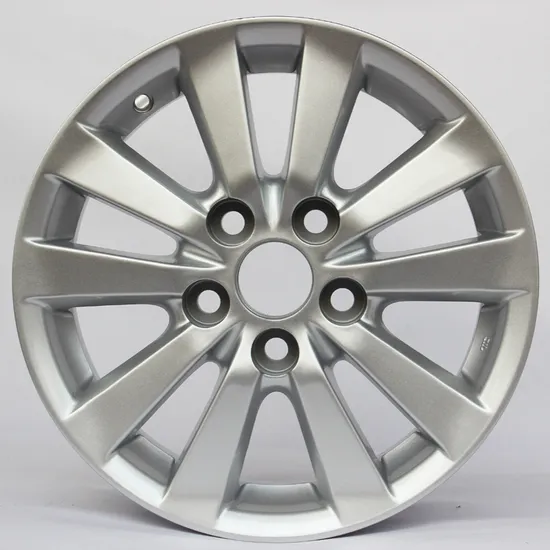 03
WHEEL RIM/HUB
15 Inch A356.2 Aluminum SUV Alloy Wheel Rim Silver Custom
View Specifications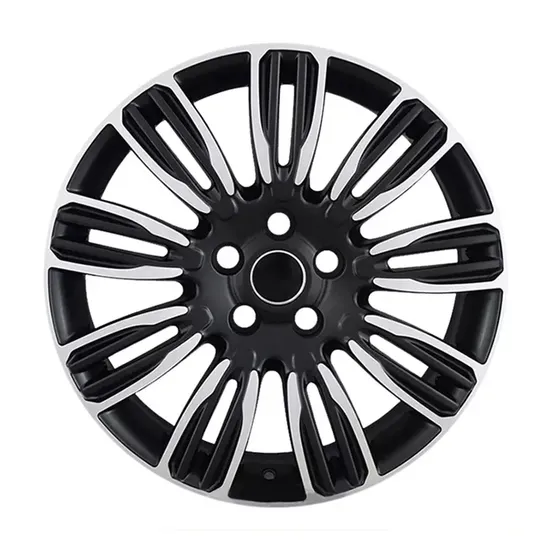 04
WHEEL RIM/HUB
16-22 Inch Merc A356 Aluminum Alloy Wheel Rims Hot Selling
View Specifications
OE Fitment Check
Not sure it fits? Send us the OE number and we'll check it.
Jinan Yoker Auto Parts matches brake discs, drums, radiators, A/C condensers and wheel rims by OE number, vehicle model and year, PCD, ET and CB, so the parts fit before they ship.
- Factory-direct quote within 24 hours
- Free samples before bulk orders
- 10% off first order for new buyers (terms apply)
- Condenser MOQ from 10 PCS
Keep Reading
Related guides on auto parts sourcing
Buying Guide · · 10 min read
14 Inch Alloy Wheels Wholesale Supplier & Factory Direct Price 2026
Avoid costly port rejections by mastering the 14 inch alloy wheels price drivers for 2026. This guide details FOB pricing tiers by finish and…
Read the Guide
Buying Guide · · 9 min read
Car Rims Supplier for Pakistan: China Factory Direct OEM Wholesale
Sourcing from a reliable Car Rims Supplier for Pakistan requires verified VIA/JWL certification and fitment data matched to local road conditions. Avoid customs delays…
Read the Guide
Buying Guide · · 9 min read
SUV Alloy Wheels 12″-24″ Wholesale Supplier | OEM & Bulk for Sale
Selecting the best alloy wheels for SUV requires precise PCD, ET, and load index matching to prevent costly fitment failures. Verify VIA or TÜV…
Read the Guide