
Car Rims Price in Jordan: Wholesale Supplier & OEM Factory Direct 2026
- By author
- Buying Guide
Car Rims Price in Jordan: Wholesale Supplier & OEM Factory Direct 2026
Most buyers assume bigger rims always cost more — but surface finish often drives a wider price gap than diameter does.
Car rims price in Jordan depends on five variables: rim diameter, alloy composition, surface treatment, certification tier, and import duty classification. A buyer who understands the factory price structure can compress landed cost by a substantial margin versus sourcing through regional intermediaries.
I still remember a shipment of two hundred 17-inch multi-spoke rims bound for a modification shop in Mexico City. The client refused to release payment, claiming the matte black finish was off by half a shade. We pulled up the signed color confirmation sheet and side-by-side factory photos — the batch was within tolerance, but the lesson stuck. From that point on, every order ships with a color approval card, real-lot photos, and a written tolerance range before a single rim leaves the floor. When I walk a Middle East distributor through car rims price in Jordan today, I start by laying out a size-by-finish factory price comparison so they can run the numbers themselves. [NEED_CITE: global aluminum alloy price index trend published by International Aluminium Institute]
Let’s break down what really moves the needle on pricing — and how to source smarter.
What Determines Car Rims Price in Jordan in 2026?
Five factors interact to set the final shelf price: diameter, material grade, surface treatment complexity, certification requirements, and Jordanian customs classification.
Diameter is the most visible variable, but it is not the most expensive one. A 19-inch rim with basic gloss black paint can cost less at the factory than a 17-inch rim with mirror-polished lips and machined spokes. The reason is labor and chemical consumption — polishing, electroplating, and multi-layer powder coating each add processing cycles that dwarf the marginal aluminum cost of going up two inches. [NEED_CITE: manufacturing cost structure breakdown for alloy wheels by surface process]
Material grade matters more than most buyers realize. Standard A356 recycled alloy and premium low-inclusion virgin alloy sit at noticeably different price points, and the gap widens when certification bodies require batch-level spectrographic reports.
Certification is the hidden cost layer. A rim carrying VIA, TÜV, or JWL marks has absorbed testing fees, fixture costs, and ongoing audit overhead that a no-mark rim simply does not carry. For the Jordanian market, where many buyers resell into Gulf states with strict type-approval expectations, this cost is non-negotiable.
Jordanian customs classification under the GCC Common External Tariff determines the duty rate applied at Aqaba port. Incorrect HS code declaration — for example, classifying a finished alloy wheel under a semi-finished casting heading — can trigger reassessment, penalties, and weeks of clearance delay. [NEED_CITE: Jordan Customs tariff schedule for aluminum alloy vehicle wheels HS code heading]
A Jordan-based tire retailer once told me he switched from a Dubai intermediary to direct factory sourcing after realizing the intermediary’s markup alone exceeded the combined sea freight and duty cost. That single move reshaped his entire margin structure on car rims price in Jordan.
Alloy Wheel Price Range by Size & Finish: A Comparison Matrix
Surface treatment creates a wider unit-price spread than diameter within the mainstream 15-to-20-inch range.
The table below maps factory-price tiers across common diameters and finishes. All figures represent relative cost positioning — actual quotations vary with order volume, alloy surcharge, and exchange-rate movement.
| Diameter | Basic Paint (Gloss/Matte Black) | Machined Face + Clear | Mirror Polish or Chrome |
|---|---|---|---|
| 15–16 inch | Entry tier | Noticeably higher | Substantially higher |
| 17–18 inch | Mid tier | Higher still | Premium tier |
| 19–20 inch | Upper-mid tier | High tier | Highest tier |
Two observations stand out. First, moving from basic paint to machined face adds a full CNC machining cycle — the cost jump is consistent across all diameters. Second, mirror polish or chrome plating pushes the unit cost into a tier where the finish process dominates the aluminum cost entirely. [NEED_CITE: alloy wheel surface treatment cost comparison by process type]
A modification shop in Amman ordered matched sets of 18-inch five-spoke rims in both matte black and hyper silver for showroom display. The hyper silver set carried a noticeably higher per-piece factory cost, yet the retail markup the shop applied more than absorbed the difference — because the Jordanian end consumer perceives hyper silver as a premium finish. Understanding this spread is exactly what separates a buyer who guesses from one who plans.
At Ouya, the factory catalog spans 12 through 24 inches with finishes ranging from gloss black and gunmetal to bronze, chrome, and full custom paint — meaning a single sourcing conversation covers the entire matrix above without juggling multiple vendors.
How to Calculate Landed Cost: From China Factory to Jordan Warehouse
FOB price is only the starting line — duty, freight, clearance, and inland haul determine what you actually pay per rim on your shelf.
The landed-cost formula every Jordan buyer should internalize runs like this: FOB value plus ocean freight plus Jordanian import duty percentage plus customs clearance fees plus inland transport from Aqaba to your warehouse. Miss any one of these line items and your cost model is fiction.
Ocean freight for alloy wheels is volume-bound, not weight-bound. A 40-foot high-cube container loaded with 17-inch rims holds a significantly higher unit count than the same container loaded with 19-inch rims. The per-rim freight share for the larger size is therefore materially higher — an effect that compounds when you factor in the higher factory price of the 19-inch product itself. [NEED_CITE: container loading capacity comparison for alloy wheels by diameter]
Jordanian import duty on alloy wheels falls under a specific HS heading within the GCC tariff framework. The rate is not trivial, and it applies to the CIF value — meaning freight cost is dutiable too. Incomplete documentation, such as a missing certificate of origin or a mismatched commercial invoice description, can push clearance from days into weeks, adding storage charges that erode margin silently.
A wholesale buyer in the Levant region once received a container where the supplier’s packing list listed "aluminum rings" instead of "alloy wheels for motor vehicles." Customs flagged the discrepancy, demanded a reclassification review, and the container sat at Aqaba for an extended period before release. The lesson: documentation precision is not paperwork pedantry — it is cost control.
Working with a factory that supplies complete customs documentation — commercial invoice, packing list, bill of lading, certificate of origin, and test certificates aligned to the declared HS code — removes an entire category of landing-cost risk. Ouya provides a full documentation package with every shipment and backs structural integrity with a multi-year warranty, so the paperwork and the product travel together.
MOQ, Lead Time & Payment: How to Negotiate Like a Pro
Unit price drops in clear阶梯 as order volume climbs — and understanding the阶梯 is how you avoid overpaying on small batches.
Factory pricing for alloy wheels follows a volume-tiered structure. A trial order of a few dozen pieces carries a meaningfully higher per-unit cost than a full-container order. The gap is not arbitrary — it reflects setup amortization, mold allocation, and production-line scheduling reality.
For modification shops testing a new style or color before committing to stock, a low minimum order is essential. Factories that require five-hundred-piece minimums on every SKU force shops into inventory risk they cannot justify. A flexible supplier that accepts small-batch orders on stock models while maintaining reasonable minimums on custom finishes lets the buyer validate market response before scaling.
Lead time is the other axis. Standard finishes on popular sizes can ship within a few weeks; custom paint, bespoke PCD configurations, or mixed-size container loads require extended scheduling. A buyer who plans seasonal inventory — Ramadan retail surge, summer modification season — needs a supplier whose production calendar aligns with theirs. [NEED_CITE: alloy wheel manufacturing lead time range by order type and customization level]
Payment structure matters for cash flow. A factory that accepts an initial deposit with balance against bill-of-lading copy gives the buyer leverage and liquidity simultaneously. Factories insisting on full prepayment before production shift all risk onto the buyer — a position no experienced purchaser accepts.
A tuning shop owner in the Gulf once told me he started with a single mixed pallet of 20 pieces across four SKUs to test fitment demand. The factory treated it as a legitimate order, not a nuisance, and within two seasons the same shop was ordering full containers quarterly. That ramp-up path only works when the supplier’s minimum-order policy is built for it.
Ouya’s MOQ structure starts at a few dozen pieces for stock models and scales to container-level pricing for volume buyers, with production lead times calibrated to both — a fit for shops starting small and distributors scaling fast.
Why Factory-Direct Sourcing Cuts Your Cost Significantly
Every intermediary layer between the factory floor and your warehouse adds margin — and the cumulative markup often exceeds the ocean freight itself.
The traditional supply chain for alloy wheels into the Middle East runs: factory → China trading company → Dubai re-export hub → Jordan wholesaler → retail shop. Each node takes a margin. By the time the rim reaches the end buyer, the factory-origin price has been multiplied — not added to, multiplied.
Direct factory sourcing collapses this chain. The buyer pays factory price plus freight plus duty — no trading-company markup, no re-export hub handling fee, no regional distributor margin. The savings are not incremental; they are structural.
This does not mean any factory will do. A factory without export documentation discipline, without certification infrastructure, and without quality-consistency track record will cost more in claims and delays than a trading company ever would. The right factory combines manufacturing capability with export-readiness — certified production lines, in-house testing equipment, complete customs documentation, and a quality system that survives third-party audit. [NEED_CITE: supply chain cost comparison factory-direct versus intermediary sourcing for automotive aftermarket parts]
A Jordanian wheel distributor who switched from a Dubai-based intermediary to direct factory purchasing reported that his per-unit cost dropped so sharply that he could undercut competitors on retail price while actually expanding his own margin. That is the arithmetic of disintermediation — and it is repeatable for any buyer willing to make the operational shift.
Ouya operates as a direct manufacturer under the Ouya brand, holding ISO, VIA, TÜV, DOT, JWL, and CCC certifications, with an annual capacity measured in the millions of pieces. Every rim ships from the factory floor — no trading desk, no re-export markup, no hidden layer.
Conclusion
Car rims price in Jordan is a function of finish, diameter, certification, duty, and supply-chain structure — not diameter alone. Buyers who map the factory price matrix, calculate true landed cost, negotiate volume tiers deliberately, and source directly from a certified manufacturer compress their cost base structurally — not marginally. The margin advantage goes to the buyer who does the math before placing the order.
Related Applications
Parts in This Article
Products mentioned above
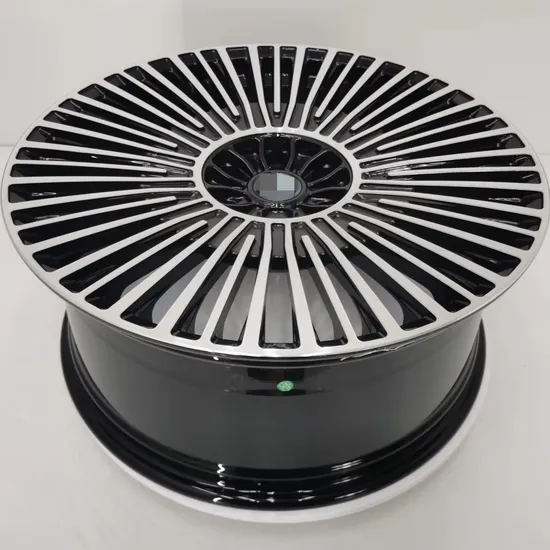 01
WHEEL RIM/HUB
A356 Aluminum Alloy 6 Holes Black Machined Car Wheel Rim
View Specifications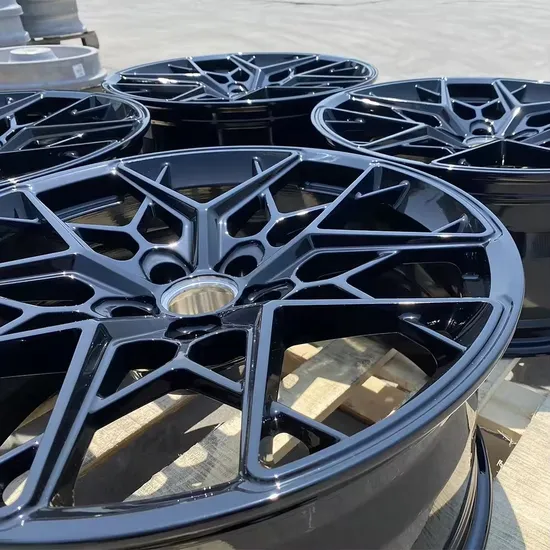 02
WHEEL RIM/HUB
A356 Aluminum 5-Hole Black Aftermarket Car Wheel Rim
View Specifications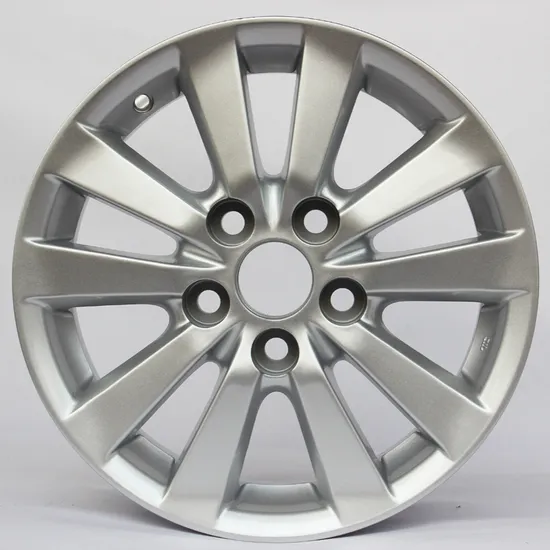 03
WHEEL RIM/HUB
15 Inch A356.2 Aluminum SUV Alloy Wheel Rim Silver Custom
View Specifications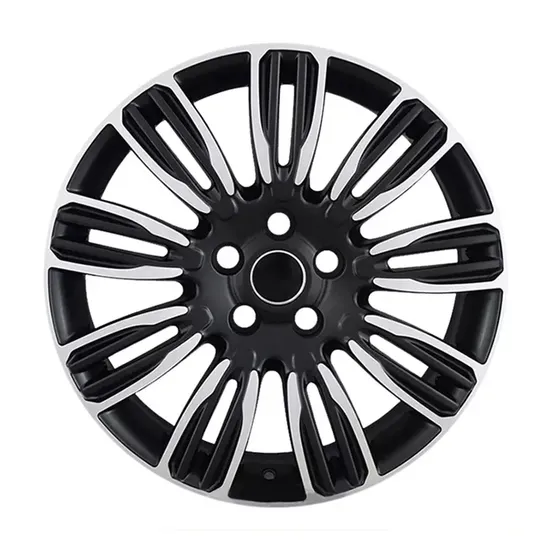 04
WHEEL RIM/HUB
16-22 Inch Merc A356 Aluminum Alloy Wheel Rims Hot Selling
View Specifications
OE Fitment Check
Not sure it fits? Send us the OE number and we'll check it.
Jinan Yoker Auto Parts matches brake discs, drums, radiators, A/C condensers and wheel rims by OE number, vehicle model and year, PCD, ET and CB, so the parts fit before they ship.
- Factory-direct quote within 24 hours
- Free samples before bulk orders
- 10% off first order for new buyers (terms apply)
- Condenser MOQ from 10 PCS
Keep Reading
Related guides on auto parts sourcing
Buying Guide · · 10 min read
Buy Alloy Wheels Best Price 2026 Wholesale Supplier
Buy Alloy Wheels Best Price 2026 by aligning raw material, process, and volume variables rather than chasing low quotes. Discover how factory-direct sourcing compresses…
Read the Guide
Buying Guide · · 7 min read
Buy Alloy Wheels Wholesale Price | Factory Direct OEM Supplier
Stop guessing your real landed cost when you Buy Alloy Wheels Wholesale Price. Discover how manufacturing processes, MOQ tiers, and hidden certification fees shape…
Read the Guide
Buying Guide · · 9 min read
Car Rims Price in Ghana: 2026 Wholesale Buyer Guide
Car rims price in Ghana for 2026 wholesale buyers depends on landed costs, not just FOB quotes. This guide breaks down duty structures, finish…
Read the Guide