
Buy Sports Car Alloy Wheels: China Factory Direct Supplier
Cheapest per-piece pricing rarely means lowest total landed cost—packaging failures and missing certifications can wipe out any unit savings before the wheels reach your warehouse.
Sourcing sports car alloy wheels directly from China factories delivers meaningful cost advantages over branded Japanese or European equivalents, provided you verify technical specifications against your target market, confirm mandatory certifications before production, and validate packaging and loading protocols to prevent transit damage.
I still think about that shipment to a Middle Eastern client—a full container of 18-inch matte black rims. The wheels themselves came out of the Jinan production line clean and balanced. But when the container arrived at the destination port, the client sent back photos: crushed cartons, scratched faces, and scuffed lip edges. The entire batch was rejected. That loss ran well into five figures, and it wasn’t the wheel quality that failed—it was the packaging and stacking plan. Since then, I inspect every pallet wrap, every corner protector, and every loading gap ratio before a container door closes. When you buy sports car alloy wheels from a China factory direct source, the wheels are only half the equation. The other half is how they survive the ocean. [NEED_CITE: common transit damage patterns in alloy wheel container shipments]
Getting the sourcing right means understanding specifications, pricing structures, certification requirements, and logistics details in sequence. Let me walk through each layer.
What Specifications Matter When Buying Sports Car Alloy Wheels?
Wheel dimensions, bolt patterns, offset values, and load ratings determine whether a wheel fits the vehicle and performs safely under dynamic conditions.
When a modification shop or distributor asks me to quote a set of wheels, the first conversation is never about price—it is about fitment data. A wheel that does not match the vehicle’s hub and suspension geometry is unsellable, regardless of how good the finish looks. Here is a specification comparison framework I use when evaluating orders for sports car alloy wheels:
| Parameter | What It Controls | Typical Range for Sports Applications | Verification Method |
|---|---|---|---|
| Diameter | Caliper clearance, fender gap | 18-inch to 22-inch for most sports sedans and coupes | Vehicle fitment database cross-reference |
| Width | Tire stretch, fender flush | 8J to 10.5J common in staggered setups | Check inner fender clearance and suspension travel |
| PCD (Bolt Pattern) | Hub mounting compatibility | 5×112, 5×114.3, 5×120 most prevalent | Confirm against OEM hub spec—no adapter reliance |
| ET (Offset) | Track width, strut clearance | +25 to +45 typical for sports applications | Simulate with fitment tool; check strut and fender interference |
| CB (Center Bore) | Hub-centric mounting | Vehicle-specific; hub rings if larger than OEM | Measure hub diameter; prefer exact match over ring dependency |
| Load Rating | Structural safety margin | Must meet or exceed OEM axle load rating | Request test report per certified standard |
[NEED_CITE: SAE and JWL load rating test protocols for passenger vehicle alloy wheels]
A Latin American tuning shop once ordered a batch of deep-concave 20-inch wheels for a popular European sports sedan platform. The PCD and width were correct, but the offset was pushed too aggre*n. The wheels looked stunning on the display rack, but the shop could not install them without spacers, which voided the structural warranty and created a liability issue. That entire first order sat in their warehouse for months before they could reconfigure the offset and reorder.
The mistake was treating offset as a cosmetic choice rather than a structural parameter. When you buy sports car alloy wheels, always request the full fitment sheet with ET, CB, and load data before committing to production—especially for custom or low-volume sizes.
How to Compare China Factory Direct Pricing vs Branded Wheels?
Factory direct sourcing from China typically delivers substantial per-piece savings compared to Japanese and European branded wheels, but the real cost picture includes certification, batch consistency, and packaging variables.
The pricing gap is significant. A branded 19-inch forged wheel sold through European or Japanese channels can cost several times what a comparable specification wheel costs when sourced directly from a Jinan-based manufacturer. But the unit price on a proforma invoice is only the starting point. Here is how I break down the real cost comparison for buyers evaluating sports car alloy wheels:
| Cost Factor | Branded Japanese/European Wheel | China Factory Direct Wheel |
|---|---|---|
| Unit Price (FOB) | Premium tier | Substantially lower—often less than half |
| Certification Included | Typically bundled | Verify whether TÜV, VIA, JWL, or DOT is included or quoted separately |
| Batch Consistency | Tight color and finish control across production runs | Request batch sample approval; larger orders yield tighter consistency |
| MOQ Flexibility | Often high minimums or dealer-only channels | Many Jinan factories accept small trial quantities for stock models |
| Private Label / OEM | Restricted or unavailable | Full OEM and ODM customization typically available |
| Packaging Standard | Retail-ready, branded | Confirm whether Amazon-ready or bulk export packaging is included |
[NEED_CITE: alloy wheel pricing structure comparison between OEM branded and China factory direct channels]
An e-commerce seller based in the US came to us after his first supplier quoted an attractive unit price but delivered wheels in plain brown boxes with no SKU labels, no fitment stickers, and no protective dividers. Every wheel that went to an Amazon FBA warehouse was rejected at intake because the packaging did not meet drop-test standards. The rework cost—repackaging, relabeling, and reshipping—nearly erased the original unit savings.
When you buy sports car alloy wheels from a China factory, ask for the total landed cost picture: unit price, certification fees amortized per piece, packaging surcharge if retail-ready boxing is needed, and the freight estimate per cubic meter. A factory that provides SKU-level fitment data and pre-labeled packaging saves you downstream costs that never appear on the initial quote.
Which Certifications Are Required for Your Target Market?
Certification requirements vary strictly by destination country, and shipping wheels without the correct marks can result in customs seizure, forced return, or market liability exposure.
This is the area where I see the most costly mistakes. Buyers focus on price and finish, then discover at the port that the wheels lack the certification mark required by their national vehicle authority. The shipment gets held, re-inspected, or rejected entirely. Here is a certification mapping framework for the most common export destinations when you buy sports car alloy wheels:
| Target Market | Required / Recognized Certification | Key Testing Focus |
|---|---|---|
| United States | DOT compliance | Impact resistance, radial fatigue, dynamic balance |
| Japan | JWL and VIA marks | Corner impact, dynamic radial, bending fatigue per JWL standards |
| European Union | TÜV approval (country-specific) | Structural integrity, material traceability, dimensional accuracy |
| China (domestic or re-export) | CCC certification | Mandatory for wheels sold within the Chinese market |
| Middle East / Africa / SE Asia | Varies—often ISO-based or buyer-specified | Confirm with local import authority before production |
[NEED_CITE: international alloy wheel certification requirements by destination market per ISO and regional vehicle regulations]
A distributor in Southeast Asia ordered a large volume of 18-inch gloss black wheels for a popular Japanese SUV platform. The wheels were structurally sound and the finish was excellent. But the destination country required JWL-marked wheels for aftermarket import clearance, and the production batch had not been stamped. The containers sat at the port for weeks while the distributor scrambled to find a compliance path. Ultimately, the batch had to be reworked at significant cost.
The lesson: confirm certification requirements with your local customs broker or vehicle authority before placing a production order. A manufacturer based in Jinan with multi-certification capability—including ISO, VIA, TÜV, DOT, JWL, and CCC—can produce wheels that carry the correct marks for your destination market, provided you specify this at the inquiry stage. When you buy sports car alloy wheels, build certification verification into your purchase order terms, not as an afterthought.
How to Avoid Shipping Damage and Quality Claims?
Transit damage is the single largest preventable cost in alloy wheel importing, and it is controlled by packaging design, container loading patterns, and pre-shipment inspection discipline.
Let me go back to that Middle East shipment I mentioned at the start. The root cause was not the wheel—it was the packaging and the loading plan. The cartons were single-wall corrugated, stacked four high on pallets with no corner boards, and the container had noticeable gap space that allowed load shift during ocean transit. When you buy sports car alloy wheels from a China factory direct source, you need to control three variables:
Packaging structure. Each wheel should be individually wrapped in EPE foam, separated by cardboard dividers, and placed in a double-wall carton with reinforced corner protectors. For retail-ready or Amazon-bound shipments, the carton must pass a standard drop-test protocol. Pallets should be stretch-wrapped with adequate layers and secured with corner boards to prevent crushing under stacked weight.
Container loading plan. A 20-foot container has a fixed internal volume. The loading plan must account for pallet dimensions, stack height limits, and gap-fill to prevent lateral shift. I have seen containers where nearly a quarter of the floor space was wasted because pallets were not oriented for maximum density—meaning the buyer paid freight on air. A proper loading plan maximizes cube utilization and minimizes movement risk.
Pre-shipment inspection. Before the container door seals, walk the floor. Check carton integrity, verify pallet wrap tension, confirm loading gap ratios, and photograph every tier. A five-minute inspection at the factory prevents a five-week claim process at the destination.
| Damage Type | Root Cause | Prevention Measure |
|---|---|---|
| Surface scratches | Insufficient individual wrapping or carton rubbing | EPE foam wrap per wheel, cardboard dividers |
| Carton crush | Single-wall carton, excessive stack height | Double-wall carton, corner boards, stack limit |
| Lip bend or crack | Load shift in container, no gap fill | Strap pallets, fill void spaces, verify cube plan |
| Finish oxidation | Moisture exposure during ocean transit | Desiccant packs in carton, container moisture check |
[NEED_CITE: best practices for alloy wheel packaging and container loading to minimize transit damage]
An African distributor received a batch of chrome-finished 20-inch wheels where several pieces showed water staining and micro-corrosion on the spoke edges. The wheels were fine structurally, but the chrome finish was compromised. Investigation traced it to a container that had been stuffed on a humid day without desiccant packs, and the ocean crossing took longer than planned due to port congestion. The moisture got trapped inside the cartons. Since then, I specify desiccant inclusion as a standard line item in every export packaging protocol.
When you buy sports car alloy wheels, treat packaging and logistics as part of the product specification—not an operational detail left to the factory’s default process.
Conclusion
Buying sports car alloy wheels from a China factory direct source offers meaningful cost advantages, but total value depends on specification accuracy, certification compliance, and packaging discipline. Match fitment parameters to your target vehicles, confirm certification marks before production, and validate every packaging and loading detail before the container seals. These steps separate a profitable sourcing relationship from an expensive lesson.
Related Applications
Parts in This Article
Products mentioned above
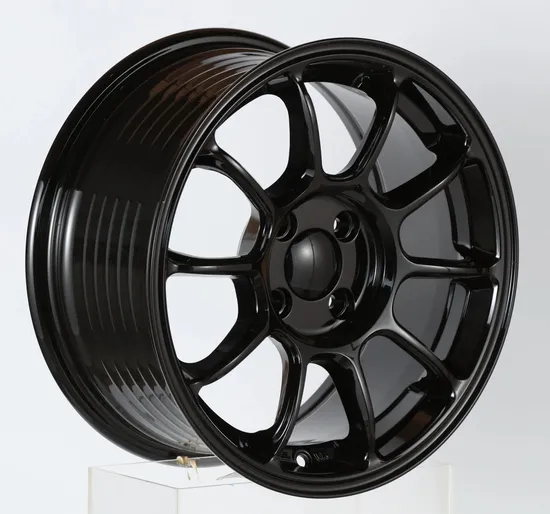 01
WHEEL RIM/HUB
15 Inch Aluminum Sport Car Alloy Wheel Rim Mag Wholesale
View Specifications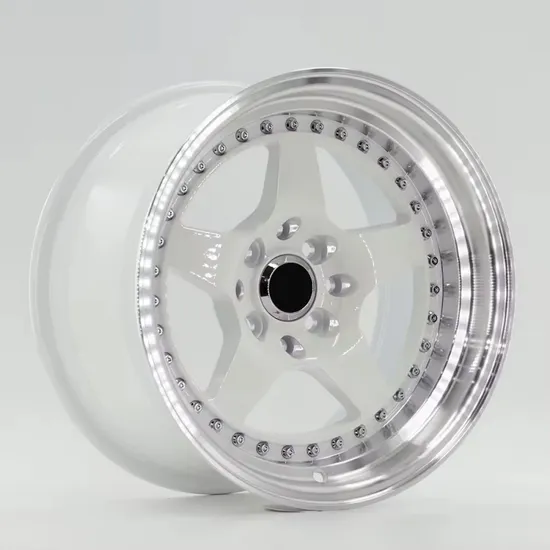 02
WHEEL RIM/HUB
14-16inch Custom Forged Sport Racing Alloy Car Wheel Rims Jdm
View Specifications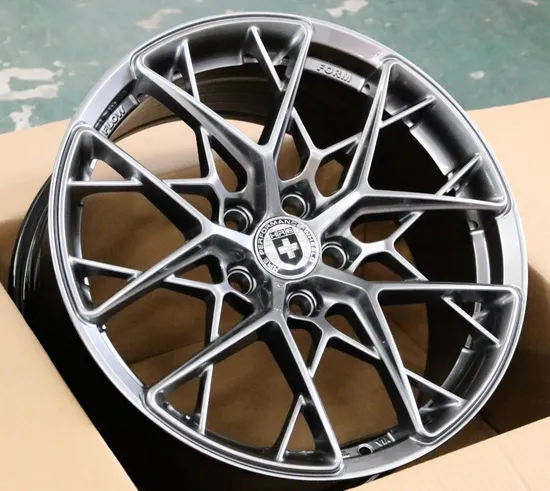 03
WHEEL RIM/HUB
Aluminum Hyper Black 15-19 Inch Flow Forming Sports Car Alloy Wheel Rims
View Specifications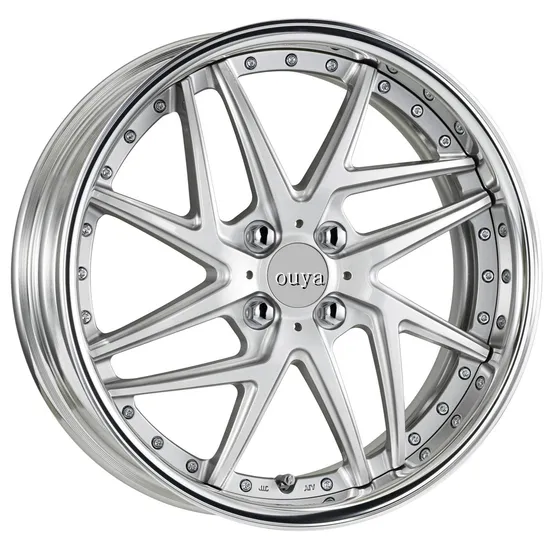 04
WHEEL RIM/HUB
Custom Forged 5X114.3/120/112 Alloy Wheels 15-18 Inch Et35 for Sports Cars
View Specifications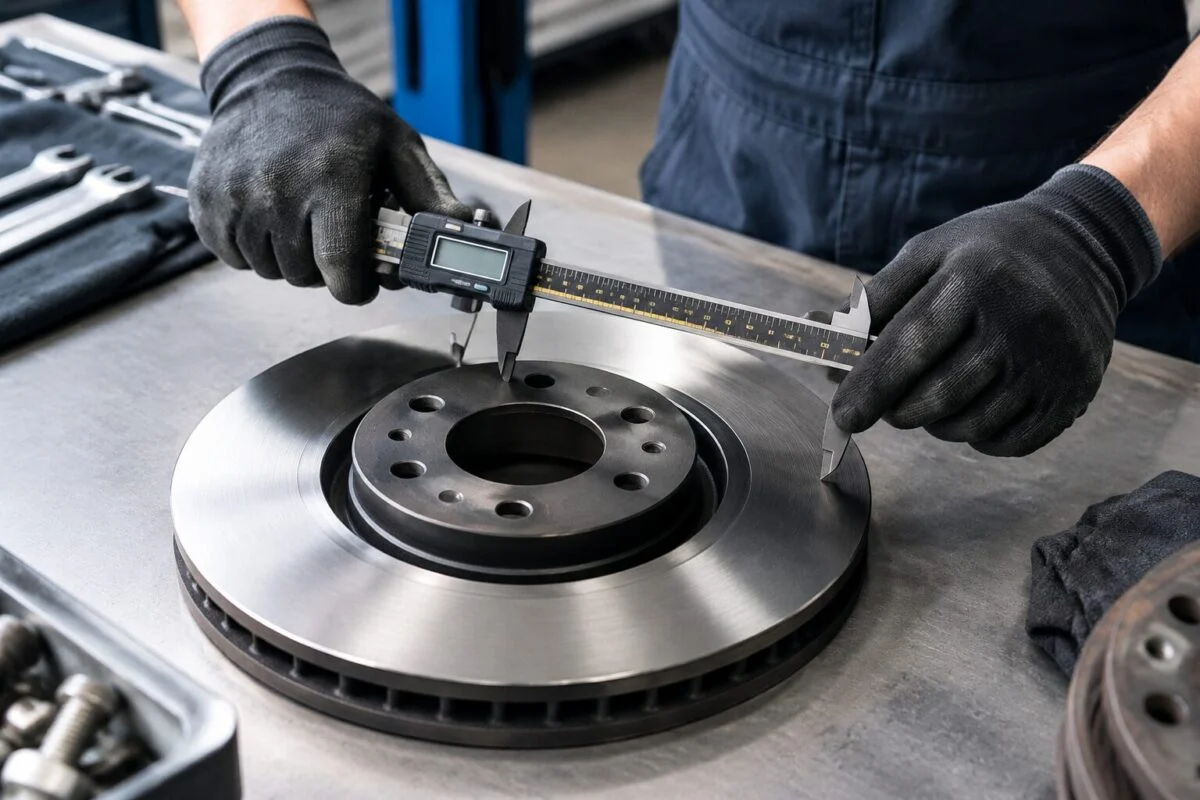
OE Fitment Check
Not sure it fits? Send us the OE number and we'll check it.
Jinan Yoker Auto Parts matches brake discs, drums, radiators, A/C condensers and wheel rims by OE number, vehicle model and year, PCD, ET and CB, so the parts fit before they ship.
- Factory-direct quote within 24 hours
- Free samples before bulk orders
- 10% off first order for new buyers (terms apply)
- Condenser MOQ from 10 PCS
Keep Reading
Related guides on auto parts sourcing
Buying Guide · · 9 min read
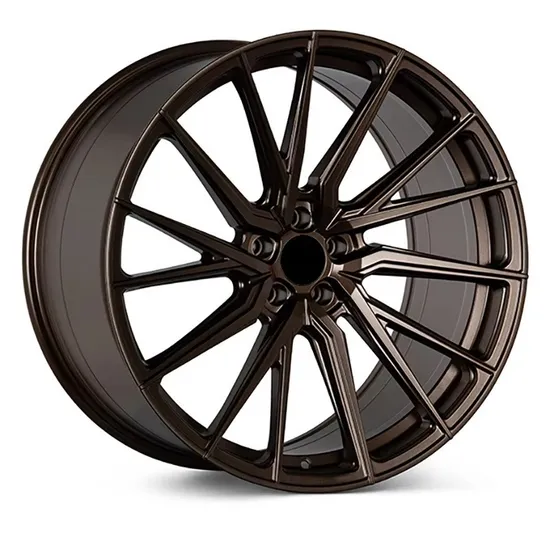
Alloy Wheels Price in USA: 2026 Wholesale Supplier Guide
Navigate US alloy wheel wholesale prices by mastering cost drivers beyond rim size. Discover how manufacturing process, DOT certification, and hidden fees like tooling…
Read the Guide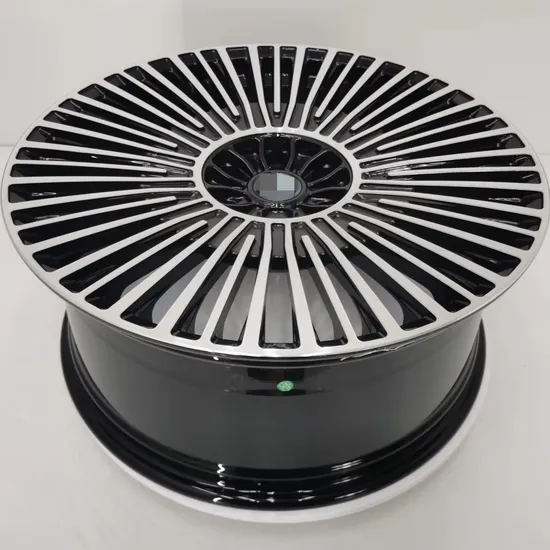
Buying Guide · · 10 min read
Alloy Wheels Price in UK: 2026 Wholesale Supplier Guide
Navigate the 2026 alloy wheels price UK market by understanding how surface finish and certification drive costs more than diameter. Discover why factory-direct sourcing…
Read the Guide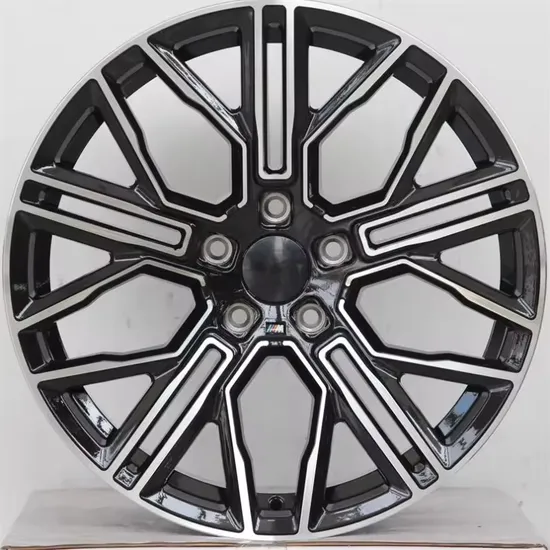
Buying Guide · · 13 min read
Alloy Wheels Price in Canada: 2026 Wholesale Supplier Guide
Stop relying on low FOB quotes that hide hidden costs. This 2026 guide breaks down the real alloy wheels price Canada buyers pay, covering…
Read the Guide