
Buy 20 Inch Alloy Wheels OEM Custom Wholesale Supplier
Most importers think bolt pattern is the only spec that matters for 20 inch fitment. In reality, offset value and brake caliper clearance decide whether the wheel mounts or the container sits in a port warehouse for months.
When sourcing 20 inch alloy wheels OEM custom, the single most critical step is locking down chassis-level parameters—offset, center bore, and brake clearance—before any paint or finish discussion begins. A supplier who skips this confirmation loop will cost you far more in rework and air-freight补件 than the per-piece price difference you thought you were saving.
I still remember a batch of 20 inch custom painted wheels bound for the Middle East. The salt-spray tests came back clean, the dynamic balance sheets looked perfect, and I was ready to sign off on shipment. Then the client called from Dubai: the wheels physically wouldn’t clear the brake calipers. The offset we assumed from the vehicle’s stock spec didn’t account for the aftermarket big-brake kit they’d installed. That entire container sat in a bonded warehouse for months until we could air-freight replacement units. The补件 shipping alone cost several times the margin on the original order. [NEED_CITE: root cause analysis of aftermarket wheel fitment failures in modified vehicles] Since that day, I never move a quote forward without pulling the exact chassis data, modification intent, and even local road conditions from the buyer.
Let’s walk through what actually matters when you’re buying 20 inch alloy wheels OEM custom, and how to avoid the mistakes that turn a good unit price into a terrible landed cost.
What Specs Matter Most for 20 Inch Custom Wheels Beyond PCD?
Bolt pattern gets all the attention, but offset, center bore diameter, and brake caliper clearance are the three hidden parameters that determine whether a 20 inch wheel actually fits the vehicle.
Most buyers send us a request saying they need 5×114.3 or 5×120 and assume the rest will sort itself. It won’t. Here’s how the critical specs stack up across typical 20 inch applications:
| Parameter | Stock Replacement | Moderate Lowering | Aggressive Stance / Track |
|---|---|---|---|
| Offset Range | Standard OEM spec | Slightly reduced | Significantly reduced |
| Center Bore Tolerance | Hub-centric exact | Hub-centric or close | May require ring adapter |
| Brake Caliper Clearance | Factory adequate | Factory adequate | Requires verification |
| Load Rating Expectation | Standard | Standard | Elevated |
| Fitment Risk Level | Low | Moderate | High |
[NEED_CITE: engineering guidelines for offset and backspacing selection in aftermarket wheel applications]
A buyer in Latin America once ordered a set of deep-concave 20 inch wheels for a popular pickup platform. The bolt pattern was correct. The center bore matched. But the offset pushed the wheel barrel inward just enough that, at full steering lock, the inner lip contacted the suspension strut. The wheels had to be re-machined, and the buyer lost an entire selling season. [NEED_CITE: common fitment interference patterns in lowered and modified trucks]
When you’re evaluating a 20 inch alloy wheels OEM custom quote, ask the supplier to confirm three things in writing before production starts: the exact offset value for your vehicle application, the center bore diameter and whether it’s hub-centric, and whether the inner barrel profile clears the largest brake caliper option available for that chassis. If the supplier can’t or won’t provide this, walk away.
How to Verify an OEM Supplier’s Custom Capability?
Certifications are the baseline, not the ceiling. A legitimate 20 inch alloy wheels OEM custom supplier will hold recognized structural and safety marks, and will walk you through a documented sampling process before taking a production deposit.
Look for these marks on the supplier’s documentation: JWL and VIA for the Japanese market, TÜV for European distribution, DOT for North America, and CCC if the wheels will be fitted on vehicles manufactured in or exported from China. [NEED_CITE: international wheel certification requirements by major automotive market] These aren’t decorative—they represent actual destructive and fatigue testing of the wheel structure.
Beyond the certificates, the real test of a supplier’s custom capability is how they handle the sampling stage. A reliable process looks like this:
- The supplier requests your full vehicle application list, including any aftermarket brake or suspension modifications.
- Engineering produces a technical drawing with all critical dimensions—diameter, width, offset, center bore, bolt pattern, and load rating.
- You review and approve the drawing in writing before any physical sample is made.
- A physical sample is produced, measured against the drawing, and shipped to you for dry-fit verification on the actual vehicle.
- Only after you confirm the sample fits does the supplier open the production mold and begin batch manufacturing.
[NEED_CITE: best practices for OEM wheel sampling and approval workflows]
I’ve seen buyers skip step four to save a few weeks, only to receive a full container of wheels that didn’t fit. The sampling stage is not a formality—it’s your last chance to catch a parameter mismatch before thousands of units are committed.
A 20 inch alloy wheels OEM custom supplier who pressures you to skip sampling or who cannot produce a dimensioned drawing is not saving you time. They are transferring all the fitment risk to you.
What MOQ and Lead Time Should You Expect for Custom 20 Inch Orders?
For genuine custom 20 inch alloy wheels OEM custom production, a minimum order of around one hundred pieces per SKU and a lead time measured in weeks rather than days is the realistic baseline. Anything significantly below that threshold usually means the supplier is cutting corners on engineering validation or quality control.
Here’s why the floor exists. Custom wheels require dedicated mold tooling, individual paint line setup, and per-SKU quality documentation. A supplier who claims they can do custom work in very small quantities with very fast turnaround is likely pulling stock wheels from a bin, repainting them, and calling it "custom." That approach works if you don’t care about exact specifications. It doesn’t work if you need a specific offset, a specific finish, or a specific load rating for a specific vehicle.
| Order Profile | Typical MOQ per SKU | Typical Lead Time | Risk if Below Baseline |
|---|---|---|---|
| Full custom (new mold) | Moderate | Several weeks | Mold cost amortization failure |
| Custom finish on existing mold | Low | Shorter | Finish inconsistency |
| Stock catalog wheel | Very low | Immediate | No true customization |
[NEED_CITE: production economics of custom alloy wheel manufacturing at various order volumes]
An e-commerce seller in Southeast Asia came to us wanting to test a matte black 20 inch design before committing to a large order. We produced a small initial batch—enough to list on their platform, photograph properly, and ship to early customers. The packaging was built to meet major marketplace inbound requirements, and the fitment data was documented per SKU so their listing accuracy stayed high. Return rates stayed well below the category average. Within a few months, they came back for a substantially larger reorder, and then another after that. [NEED_CITE: marketplace packaging and listing accuracy requirements for automotive wheel sellers]
The lesson: a reasonable MOQ and lead time protect both you and the supplier. They ensure the engineering is done properly, the finish is consistent, and the documentation is accurate. Don’t chase an artificially low MOQ from a supplier who can’t explain why their baseline is what it is.
Which Surface Finishes Are Most Popular for 20 Inch Aftermarket Wheels?
Matte black, gunmetal, and machined-face with lip detail dominate the 20 inch aftermarket. But the finish you choose must match the corrosion environment your wheels will face, and the supplier must be able to prove salt-spray endurance, not just show you a pretty photo.
The aftermarket trend over the past several years has moved decisively toward darker, more understated finishes. Matte black remains the single most requested color globally. Gunmetal and bronze have strong followings in the tuning and off-road segments. Machined-face with a painted background—often called "mirror cut" or "diamond cut"—continues to perform well in the luxury and OEM-replacement channels. Chrome, while still specified, has lost share to these darker options.
| Finish Type | Visual Character | Corrosion Resistance | Maintenance Demand |
|---|---|---|---|
| Matte Black | Understated, modern | Moderate to high | Low |
| Gunmetal | Technical, sporty | Moderate to high | Low |
| Machined Face with Painted Background | Premium, reflective | High if sealed properly | Moderate |
| Bronze | Warm, aggressive | Moderate | Moderate |
| Full Chrome | Classic, high-shine | High | High |
[NEED_CITE: global aftermarket wheel finish preference trends and corrosion performance data]
The critical question to ask your 20 inch alloy wheels OEM custom supplier is not "can you do this color?" but "what salt-spray endurance does this finish achieve, and can you show me the test report?" A finish that looks great in the factory may peel or corrode within a single winter season in a region that uses road salt. The cost of a warranty claim on a finished wheel is far higher than the cost of specifying the right coating upfront.
[NEED_CITE: salt-spray testing standards and acceptable endurance thresholds for automotive wheel finishes]
A buyer in a coastal market once received a shipment of 20 inch wheels in a trendy dark finish. They looked perfect on arrival. Within months, customers began reporting clear-coat peeling at the bead seat and along the spoke edges. The finish had not been properly sealed for the humid, salt-laden environment. The buyer had to replace the entire batch at their own cost. The per-piece savings they’d negotiated with that supplier meant nothing against the replacement expense.
How to Avoid the Costly Mistakes Importers Make with Custom Wheels?
The single most expensive mistake in 20 inch alloy wheels OEM custom importing is placing a production order before the parameter confirmation loop is fully closed. Every other problem—late delivery, finish inconsistency, packaging damage—is manageable. A fitment failure is not.
I’ve laid out the technical risks in the sections above. Here’s the operational pattern that causes them:
- The buyer sends a vague inquiry: "20 inch, 5-lug, black."
- The supplier quotes based on the most common spec for that bolt pattern, without asking about offset, center bore, or brake clearance.
- The buyer accepts the price, places the order, and waits for production.
- The wheels arrive. They don’t fit.
- The buyer now faces the cost of return shipping (if the destination country even accepts returns on custom goods), the cost of replacement production, the cost of expedited freight, and the loss of customer trust.
[NEED_CITE: cost structure of aftermarket wheel fitment failures including logistics rework and replacement]
The fix is simple but requires discipline. Before you accept any quote for 20 inch alloy wheels OEM custom, require the supplier to produce a written parameter sheet that includes:
- Vehicle application(s) with year, make, model, and trim
- Aftermarket modifications (brakes, suspension, body)
- Exact diameter, width, offset, center bore, and bolt pattern
- Load rating and any applicable certification standard
- Finish type and salt-spray endurance specification
- Sampling and approval workflow with sign-off gates
If the supplier pushes back on any of these items, or says "we’ve done this vehicle a hundred times, don’t worry about it," that is a red flag, not a reassurance. Vehicles change. Brake packages change. Suspension setups change. A responsible 20 inch alloy wheels OEM custom supplier will always confirm the current spec, every time.
Conclusion
Buying 20 inch alloy wheels OEM custom successfully is not about finding the lowest unit price. It is about locking down chassis parameters, validating the sampling process, and choosing a supplier who treats the confirmation loop as non-negotiable.
Offset, center bore, and brake clearance matter more than bolt pattern alone. Certifications and documented sampling separate real custom capability from repainted stock. Reasonable MOQ and lead time protect engineering quality. The right finish must match the corrosion environment. And the parameter sheet must be fully closed before production begins. Get these right, and the unit price becomes the least interesting part of the conversation.
Related Applications
Parts in This Article
Products mentioned above
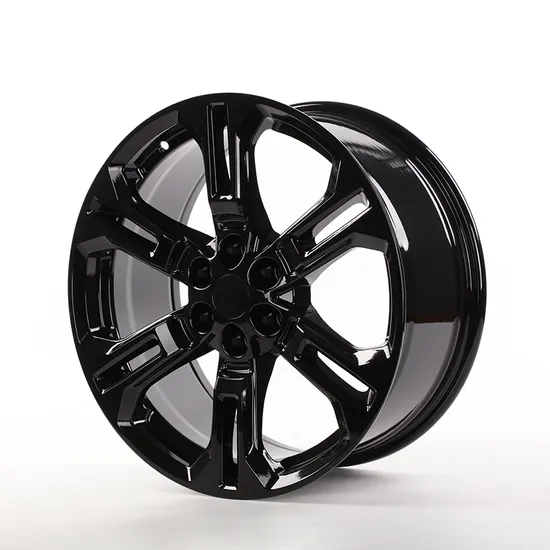 01
WHEEL RIM/HUB
15-21 Inch OEM Aluminum Alloy Car Wheel Rims
View Specifications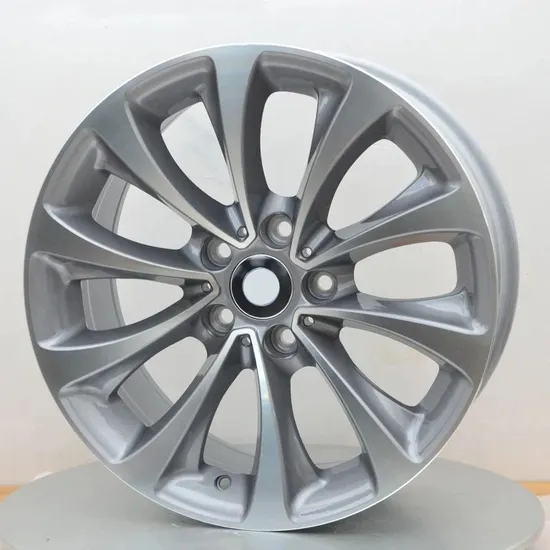 02
WHEEL RIM/HUB
18 Inch Aluminum Alloy Chrome Auto Wheel Rims OEM
View Specifications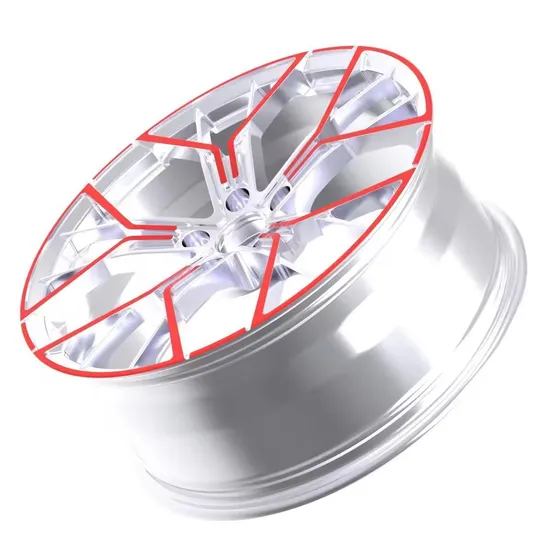 03
WHEEL RIM/HUB
Replica 17-18 Inch OEM-Style Car Alloy Wheels Rims
View Specifications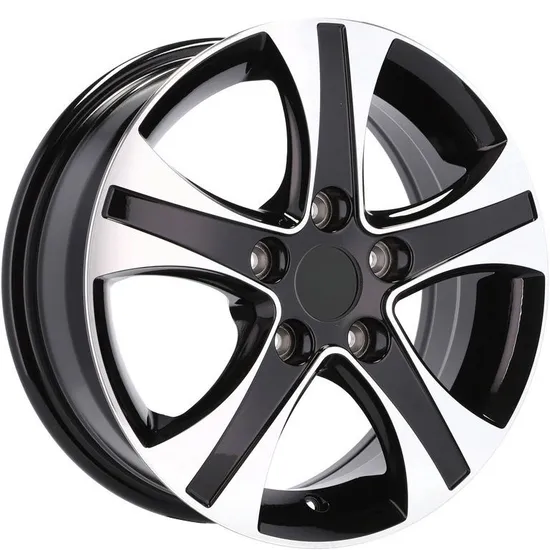 04
WHEEL RIM/HUB
17-19 Inch OEM Replacement Alloy Wheels Rims Oy17101 New
View Specifications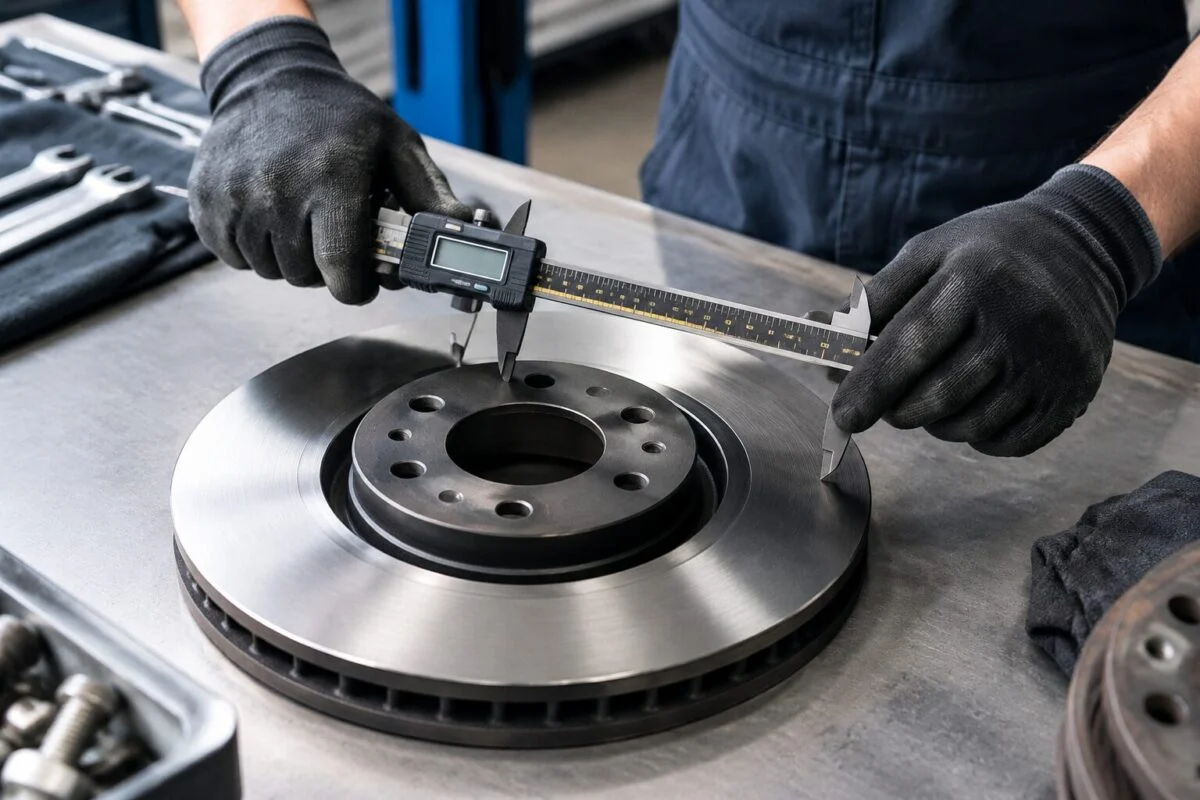
OE Fitment Check
Not sure it fits? Send us the OE number and we'll check it.
Jinan Yoker Auto Parts matches brake discs, drums, radiators, A/C condensers and wheel rims by OE number, vehicle model and year, PCD, ET and CB, so the parts fit before they ship.
- Factory-direct quote within 24 hours
- Free samples before bulk orders
- 10% off first order for new buyers (terms apply)
- Condenser MOQ from 10 PCS
Keep Reading
Related guides on auto parts sourcing
Buying Guide · · 10 min read
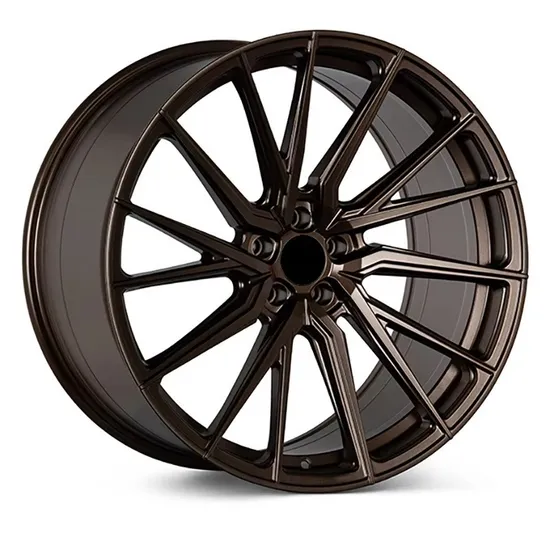
Buy Alloy Wheels Best Price 2026 Wholesale Supplier
Buy Alloy Wheels Best Price 2026 by aligning raw material, process, and volume variables rather than chasing low quotes. Discover how factory-direct sourcing compresses…
Read the Guide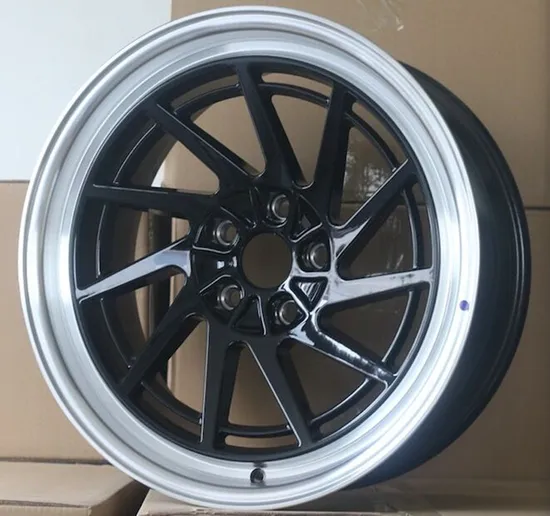
Buying Guide · · 7 min read
Buy Alloy Wheels Wholesale Price | Factory Direct OEM Supplier
Stop guessing your real landed cost when you Buy Alloy Wheels Wholesale Price. Discover how manufacturing processes, MOQ tiers, and hidden certification fees shape…
Read the Guide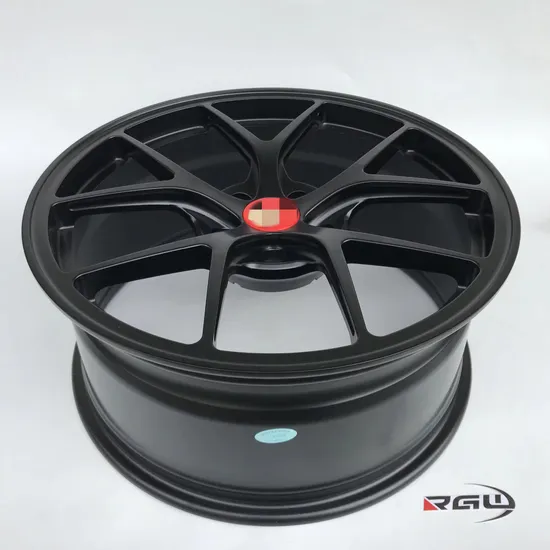
Buying Guide · · 9 min read
Car Rims Price in Ghana: 2026 Wholesale Buyer Guide
Car rims price in Ghana for 2026 wholesale buyers depends on landed costs, not just FOB quotes. This guide breaks down duty structures, finish…
Read the Guide