
Buy 17 Inch Alloy Wheels for Sale
Most buyers think the cheapest unit price wins the deal — the real cost shows up when containers get held at port or wheels crack on the first rough road.
To buy 17 inch alloy wheels for sale that actually fit, pass customs, and keep end-users coming back, you must lock in three things before paying a deposit: exact PCD/offset/center bore match to target vehicles, surface finish suited to the local climate, and certification papers that satisfy the importing country’s customs authority — not just the supplier’s brochure.
I still remember a shipment that sat in Lagos port for weeks because the buyer never asked for JWL paperwork. The wheels themselves were fine mechanically, but Nigerian customs required certified test reports, and the broker had nothing to show. Demurrage charges climbed until they dwarfed the wheel cost. The buyer blamed the factory; the factory blamed the buyer. Neither had checked the clearance requirements before the container left Jinan. That kind of mess happens more often than people admit, and it almost always traces back to skipping spec verification at the quoting stage. [NEED_CITE: common reasons for wheel shipment delays at West African ports]
A conversation about specs, finishes, and certificates is where smart purchasing actually starts — not with a price list.
What Specs Should You Confirm Before Buying 17 Inch Alloy Wheels?
PCD, offset, and center bore must match the vehicle exactly; getting any one wrong means the wheel will not mount safely, no matter how good the price is.
When a buyer sends a photo of a 17 inch alloy wheel and says "I want this," the first question is never about color — it is about which car it has to fit. The three numbers that decide fitment are bolt pattern, offset, and hub diameter. Mixing them up is the single biggest cause of returns and complaints in the aftermarket wheel trade.
| Parameter | What It Controls | Common 17 Inch Values | Typical Vehicle Match |
|---|---|---|---|
| PCD (bolt pattern) | How many bolts and their circle diameter | 5×100, 5×10⁸, 5×112, 5×114.3 | 5×114.3 for most Japanese sedans; 5×112 for VW/Audi; 5×100 for older Subaru/Toyota |
| Offset (ET) | How far the wheel sits in or out from the hub | ET35 to ET48 for OEM replacement; ET25 to ET35 for flush aftermarket | Lower ET pushes wheel outward — too low causes fender rub |
| Center bore | Hub ring diameter the wheel sits on | 56.1 mm, 57.1 mm, 66.6 mm, 73.1 mm | Must equal or exceed vehicle hub; smaller = will not fit |
| Width (J) | Tire width compatibility | 7J, 7.5J, 8J | 7.5J suits 215–225 tires; 8J suits 235–245 |
[NEED_CITE: standard PCD and offset ranges for popular 17 inch passenger car applications]
A tuning shop in Southeast Asia once ordered a full batch of 17 inch mesh-style wheels based on a photo. They confirmed PCD but never checked offset. When the wheels arrived, the ET was too aggressive — the tire rubbed the inner fender liner at full lock. The shop had to machine spacers for every single wheel, adding cost and weakening the hub interface. That entire order could have been saved with one line on the purchase confirmation.
Another case: a fleet operator in Latin America bought 17 inch wheels for a mixed fleet of sedans and compact SUVs. They assumed one center bore would fit all. It did not. Half the vehicles needed hub rings, and the other half needed different wheels entirely. The reorder ate the margin on the first purchase.
The rule is simple: before you ask for a quote, write down the exact PCD, offset range, center bore, and width for each vehicle you are fitting. Send that list to the supplier. A reliable supplier will confirm fitment in writing before production. If they skip this step, walk away.
How to Choose the Right Surface Finish for Your Market?
The finish that looks best in a catalog photo is not always the finish that survives the local climate — salt air, road salt, and UV exposure punish different coatings in different ways.
Buyers often default to mirror-polished or chrome wheels because they photograph well and feel premium. But in coastal cities, tropical ports, or regions where roads are salted in winter, high-gloss finishes corrode noticeably faster than matte or satin coatings. The chemistry is straightforward: chrome and polished surfaces develop micro-pores at the edges of spokes and around lug holes, and once moisture reaches the aluminum underneath, white oxidation spreads under the clear coat.
| Finish Type | Visual Appeal | Salt-Spray Resistance | UV Stability | Best-Suited Market |
|---|---|---|---|---|
| Mirror polish / chrome | Very high | Vulnerable | Moderate | Dry inland, show cars |
| Gloss black | High | Moderate | Good | Urban, temperate |
| Matte black | Moderate-high | Robust | Good | Coastal, tropical, off-road |
| Gunmetal / hyper silver | High | Robust | Very good | Broad global appeal |
| Machined face with clear coat | High | Moderate | Vulnerable if clear coat chips | Temperate, garaged vehicles |
[NEED_CITE: comparative salt-spray test performance of common alloy wheel surface treatments]
A distributor in the Middle East ordered a container of gloss black 17 inch wheels for a desert city. The wheels looked stunning on arrival. Within months, customers started returning them — not because of structural issues, but because the clear coat blistered where road debris chipped the surface, and sand abrasion dulled the gloss unevenly. The next order switched to gunmetal, and return rates dropped sharply.
For buyers sourcing 17 inch alloy wheels for sale in West Africa, Southeast Asia, or the Caribbean, matte black or gunmetal are the safest bets. They hide minor curb rash, resist salt corrosion better, and do not show water spotting the way gloss finishes do. Chrome and mirror polish should be reserved for niche show-car markets where the buyer understands the maintenance commitment.
What Certifications Matter When Importing 17 Inch Alloy Wheels?
A wheel without the right certificate for the destination country is not a wheel — it is a customs liability.
Certification is the part of the deal that buyers most often treat as an afterthought, and it is the part that causes the most expensive delays. Different countries recognize different standards, and customs authorities do not accept "the factory has ISO" as a substitute for the specific test report they require.
| Certification | Issuing Body | Primary Market | What It Covers |
|---|---|---|---|
| JWL | Japan Light Alloy Wheel Association | Japan, and often accepted in Southeast Asia | Structural integrity, dynamic radial fatigue, impact |
| VIA | Vehicle Inspection Association (Japan) | Japan (supplements JWL with third-party verification) | Same as JWL plus independent audit of test data |
| TUV | Technische Überwachungsverein (Germany) | Germany, EU, and many markets that reference EU standards | Full technical review including material, design, load rating |
| ISO 9001 | International Organization for Standardization | Global (quality management system, not product-specific) | Factory process control, not wheel structural performance |
| DOT | US Department of Transportation | United States (required for certain wheel categories) | Compliance with US safety marking and load standards |
| CCC | China Compulsory Certification | China domestic market | Required for wheels sold within China |
[NEED_CITE: certification requirements for alloy wheel imports by major global market]
The earlier Lagos case is not unique. A buyer in East Africa once received a container of 17 inch wheels with only the supplier’s internal test sheet. The port authority demanded a recognized third-party certificate. The supplier could not produce one in time. The container sat for over a month, and the demurrage bill exceeded the wheel invoice.
For buyers in the Middle East, JWL or TUV is usually expected by serious distributors. For the EU, TUV is effectively mandatory for any wheel marketed as performance or replacement. For the US, DOT marking is required on certain wheel types, and ISO 9001 alone will not satisfy a discerning retailer. For Southeast Asia and Latin America, JWL is widely recognized and respected.
When you request a quote for 17 inch alloy wheels for sale, ask the supplier to confirm in writing which certificates they can provide for your specific market, and ask to see a sample report before production. If the supplier hesitates or says "we can get it later," treat that as a red flag.
What Should You Expect on Pricing and MOQ from Suppliers?
Factory-direct pricing for 17 inch wheels can run substantially below Japanese and European brand pricing, but the real savings depend on order structure, not just the per-piece quote.
The aftermarket wheel supply chain has shortened considerably. Factories in Shandong, one of the world’s largest alloy wheel production clusters, now sell directly to distributors, tuning shops, and e-commerce sellers with MOQs that would have been unthinkable a decade ago. For stock models, MOQs can start as low as twenty pieces per SKU. For custom designs — your own spoke pattern, your own color, your own packaging — a hundred pieces per SKU is a common starting point.
Pricing tiers typically follow a simple logic: the more pieces per order, the lower the per-unit cost. A full container load of mixed 17 inch wheels will carry a noticeably lower per-piece price than a LCL shipment of a few pallets. Buyers who consolidate orders across several SKUs into one container save on both unit cost and freight.
What factory-direct pricing actually means in practice is that the middleman margin — often the largest single cost in the traditional import chain — is removed. Buyers who previously purchased through trading companies or regional agents can expect per-piece costs to drop substantially when they source directly from a certified manufacturer.
A tuning shop in Eastern Europe used to buy 17 inch wheels through a Western European distributor. When they switched to direct factory sourcing, their per-unit cost dropped enough to fund a new product line in deep-concave mesh styles that had been marginally unprofitable before. The factory handled OEM branding, custom packaging, and provided all customs documentation — TUV certificates, packing lists, certificates of origin — ready for EU clearance.
Lead times for custom orders typically run between two to four weeks for production, plus shipping time. Stock models can ship faster. Buyers planning seasonal launches — summer touring wheels, winter-specific designs — should place orders well ahead of the season to avoid freight bottlenecks.
How to Avoid Common Pitfalls When Ordering 17 Inch Alloy Wheels?
Ninety percent of post-delivery disputes in the wheel trade trace back to three things: unconfirmed fitment, missing certificates, and finish mismatch — all preventable with a structured pre-order checklist.
The pattern repeats across markets and buyer types. A retailer orders wheels based on a photo. A fleet buyer assumes one spec fits all vehicles. A distributor skips certificate verification to save a day. Each of these shortcuts creates a problem that is far more expensive to fix after the goods have shipped than it would have been to prevent before.
Here is the checklist that experienced buyers run through before every order:
- Fitment sheet: list every target vehicle with exact PCD, offset range, center bore, and width. Have the supplier confirm in writing that their wheel matches each one.
- Certificate match: confirm which certification the destination country requires, and verify the supplier can provide it with a sample report before production.
- Finish sample: request a physical sample or high-resolution photo of the exact finish and color under natural light, not studio lighting. Confirm salt-spray suitability for the local climate.
- Packaging spec: confirm whether the wheels ship in individual boxes, on pallets, or bulk — and whether the packaging meets the requirements of your warehouse or your e-commerce fulfillment center.
- Trial order: for any new supplier or new SKU, place a small trial order before committing to a full container. Use it to verify fitment, finish, documentation, and packaging in real conditions.
A distributor in North America followed this process for a new 17 inch multi-spoke design. The trial order revealed that the center cap logo was slightly off-center — a cosmetic issue that would have triggered returns at retail. The factory adjusted the tooling before the full production run. That single step saved the distributor from a costly recall.
Conclusion
Buying 17 inch alloy wheels for sale is not a price game — it is a spec, finish, and certificate game, and the winners are the buyers who verify all three before the container is sealed.
Match the wheel to the vehicle with exact PCD, offset, and center bore data. Choose a surface finish that survives the local climate, not just the catalog photo. Confirm that the supplier holds the specific certification your customs authority demands. And always, always run a trial order before scaling up. The wheel trade rewards preparation and punishes assumptions — the difference between a profitable shipment and a port-side headache is almost always decided before production starts.
Related Applications
Parts in This Article
Products mentioned above
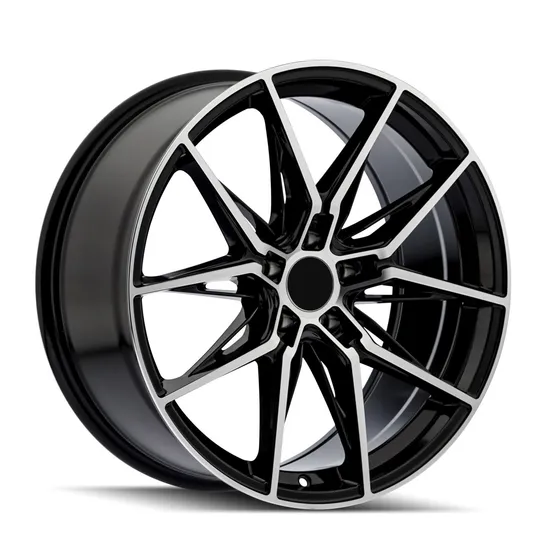 01
WHEEL RIM/HUB
19-Inch Alloy Wheels 5X100 PCD Interchangeable Center Caps
View Specifications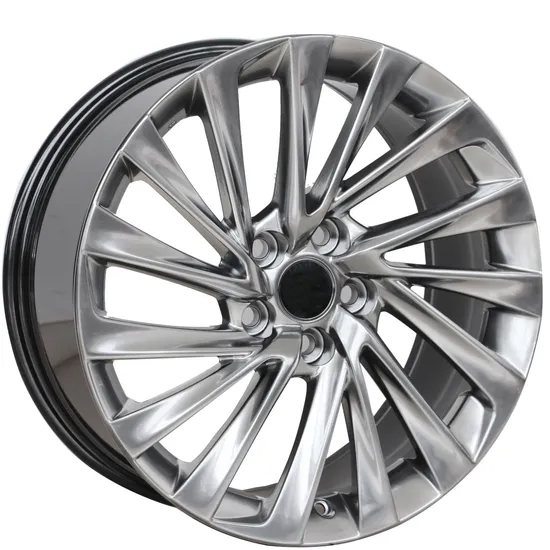 02
WHEEL RIM/HUB
17-19 Inch Alloy Wheel Rim - High-Quality Car Wheel Hub
View Specifications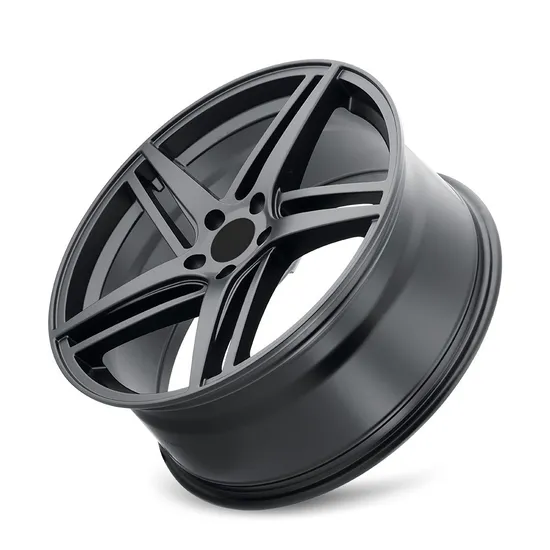 03
WHEEL RIM/HUB
20inch 5*120 5*112 PCD Premium 18-Inch Alloy Wheels
View Specifications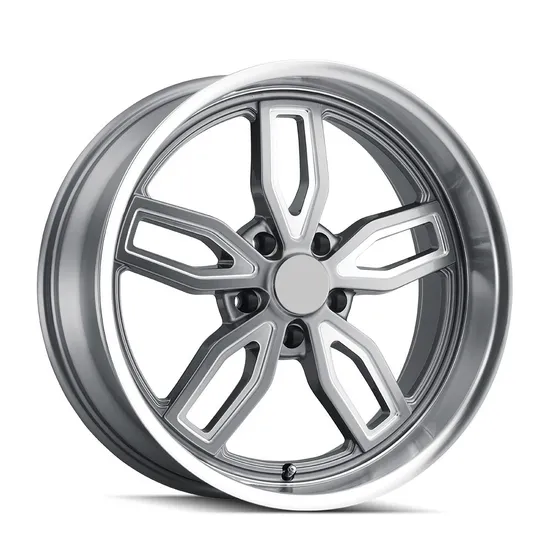 04
WHEEL RIM/HUB
16-Inch Alloy Wheels Rims Rust-Resistant for Compact Cars
View Specifications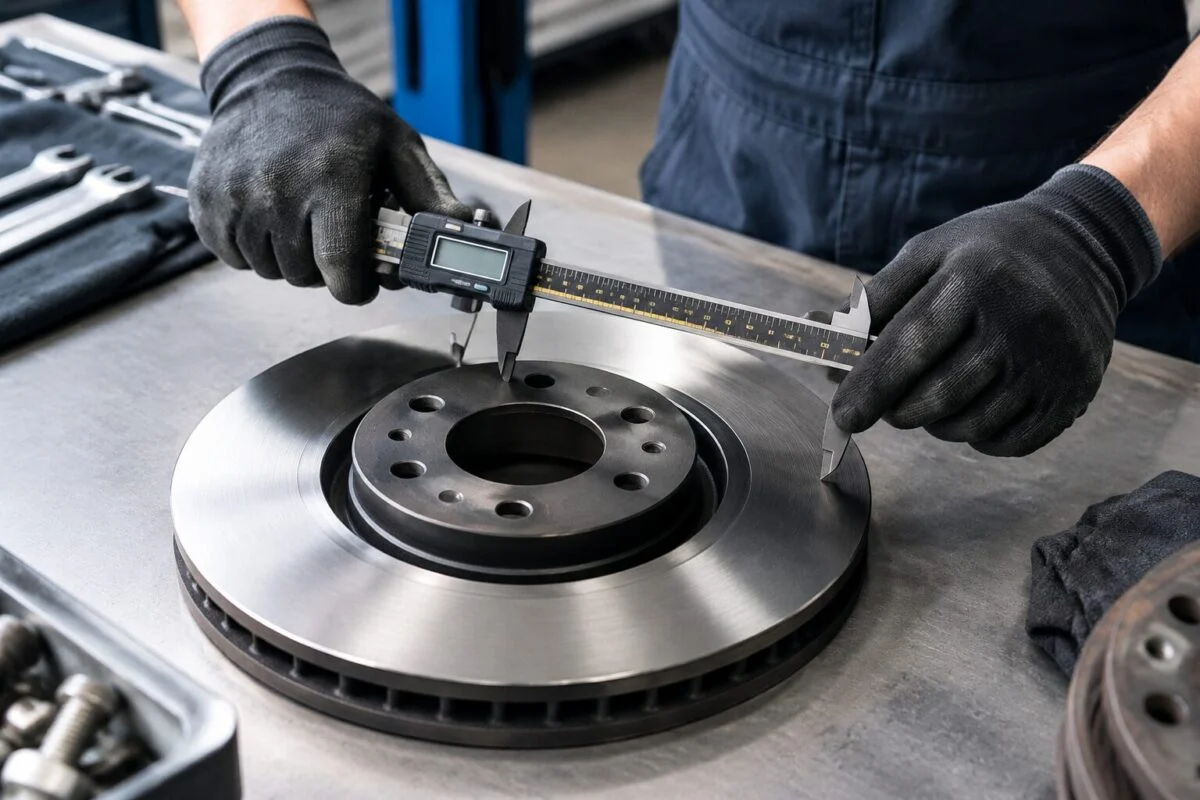
OE Fitment Check
Not sure it fits? Send us the OE number and we'll check it.
Jinan Yoker Auto Parts matches brake discs, drums, radiators, A/C condensers and wheel rims by OE number, vehicle model and year, PCD, ET and CB, so the parts fit before they ship.
- Factory-direct quote within 24 hours
- Free samples before bulk orders
- 10% off first order for new buyers (terms apply)
- Condenser MOQ from 10 PCS
Keep Reading
Related guides on auto parts sourcing
Buying Guide · · 10 min read
Buy Alloy Wheels Best Price 2026 Wholesale Supplier
Buy Alloy Wheels Best Price 2026 by aligning raw material, process, and volume variables rather than chasing low quotes. Discover how factory-direct sourcing compresses…
Read the Guide
Buying Guide · · 7 min read
Buy Alloy Wheels Wholesale Price | Factory Direct OEM Supplier
Stop guessing your real landed cost when you Buy Alloy Wheels Wholesale Price. Discover how manufacturing processes, MOQ tiers, and hidden certification fees shape…
Read the Guide
Buying Guide · · 9 min read
Car Rims Price in Ghana: 2026 Wholesale Buyer Guide
Car rims price in Ghana for 2026 wholesale buyers depends on landed costs, not just FOB quotes. This guide breaks down duty structures, finish…
Read the Guide