
Alloy Wheel Rims 12-24 Inch Wholesale Supplier from China Factory
- By author
- Buying Guide
Alloy Wheel Rims 12-24 Inch Wholesale Supplier from China Factory
Bigger rims do not always cost more — surface finish complexity can swing unit price more than diameter alone.
Car rims price in Thailand is shaped by four pillars: diameter, surface treatment, certification compliance, and order volume. Smart buyers evaluate total landed cost per piece — not just the FOB sticker — against quality benchmarks before committing to a container.
I still remember a batch of 20-inch matte black forged wheels bound for the Middle East. The finish looked flawless in our inspection bay under controlled lighting, but once they arrived at the port, the client noticed faint water-mark ripples across the spokes. The entire lot came back for rework. Between return freight and surface correction, that single order wiped out half a year’s margin. After that, I became almost obsessive about surface treatment protocols and packaging integrity — and started digging deep into every destination country’s customs requirements and certification standards. When you source car rims price in Thailand, the parameters on the spec sheet are just the surface; the real cost drivers hide in logistics, compliance, and defect tolerance.
Let me walk you through how pricing actually works in this market — and where the hidden expenses tend to catch buyers off guard.
What Determines Car Rims Prices in Thailand in 2026?
Size, finish, certification, and order volume form the four pricing pillars — and they interact in ways most first-time importers do not expect.
The Thai aftermarket has matured considerably. Distributors in Bangkok and Chiang Mai are no longer just looking for the cheapest option; they want verifiable quality, consistent batch coloring, and documentation that clears customs without delays. [NEED_CITE: Thai automotive aftermarket import trend and certification requirements overview]
Here is how the four pillars stack up against each other:
| Pricing Factor | Low-End Tier | Mid-Range Tier | Premium Tier |
|---|---|---|---|
| Diameter Range | 15"-16" | 17"-19" | 20"-24" |
| Surface Finish | Basic silver paint | Machined face / gloss black | Matte black / chrome / multi-tone custom |
| Certification | None or self-reported | Partial (e.g., single market) | Multi-certified (VIA / JWL / DOT / TÜV) |
| Order Volume | Below MOQ threshold | Standard container mix | Full container dedicated SKU |
| Unit Cost Impact | Baseline | Noticeably higher | Substantially higher |
| Landed Cost Risk | Low compliance friction | Moderate documentation effort | High documentation readiness required |
[NEED_CITE: alloy wheel pricing factor correlation in Southeast Asian import market]
A modification shop in southern Thailand once ordered staggered 19-inch and 20-inch sets for a popular pickup truck platform. They assumed the price spread between the two sizes would be proportional to material weight. In reality, the 20-inch matte black version carried a disproportionately higher finish cost — the matte coating required additional clear-coat layers and stricter curing controls to avoid the very water-mark defects I mentioned earlier. The size difference added some material cost, but the finish complexity drove the unit price gap far more than diameter did.
This is a pattern I see repeatedly: buyers fixate on diameter as the primary cost variable, when in practice, surface treatment and certification compliance often matter more.
How Does Rim Size Affect Unit Cost?
Price jumps across diameter tiers are not linear — sizes above 18 inches carry disproportionate tooling and material costs that reshape the per-piece equation.
When you evaluate car rims price in Thailand by diameter alone, the curve looks deceptively gentle from 15 inches up to 17 inches. Material weight increases modestly, and most factory tooling lines handle these sizes without reconfiguration. But once you cross into 18 inches and beyond, several cost factors compound simultaneously:
- Raw material consumption rises noticeably per piece, and aluminum alloy pricing fluctuations hit larger wheels harder.
- Machining cycle time extends — larger diameters mean longer lathe runs and more careful balancing passes.
- Tooling wear accelerates on deep-concave profiles common in the 19-inch to 22-inch range, raising replacement frequency.
- Packaging and container loading efficiency drops — fewer pieces fit per pallet, and protective wrapping requirements increase to prevent curb-rash during transit.
[NEED_CITE: alloy wheel manufacturing cost structure by diameter segment]
A tire retailer in Bangkok who restocks popular 15-inch through 17-inch passenger car sizes told me his reorder cycle runs like clockwork — steady volume, predictable pricing, minimal surprises. But when he experimented with adding 20-inch SUV fitments to his inventory, the unit cost jumped far more than the weight differential would suggest. His per-piece landed expense climbed noticeably, and the slower turnover on those SKUs tied up capital in ways he had not anticipated.
| Diameter Tier | Material Cost Impact | Tooling Complexity | Container Loading Efficiency | Typical Buyer Profile |
|---|---|---|---|---|
| 15"-16" | Minimal | Standard | High density | High-volume passenger car restockers |
| 17"-18" | Moderate | Standard to moderate | Good | Balanced retail and modification shops |
| 19"-20" | Noticeably higher | Moderate to high | Reduced | Premium modification and SUV specialists |
| 21"-24" | Substantially higher | High, custom tooling often needed | Low density | Niche luxury and racing buyers |
[NEED_CITE: container loading efficiency and freight cost impact on large-diameter alloy wheels]
The takeaway here is straightforward: if your market skews toward mainstream passenger sizes, your cost structure stays relatively stable. But venturing into larger diameters requires recalculating not just the piece price, but the entire logistics and inventory turnover model around it.
What Are the Hidden Costs Beyond FOB Price?
Freight, import duty, and quality loss rates can add a substantial percentage on top of the apparent FOB unit cost — and most buyers only discover this after their first container arrives.
The FOB number on a quotation feels like the finish line. It is not. It is the starting gun. When you calculate the real car rims price in Thailand, you need to build a landed cost model that accounts for every expense between the factory floor and your warehouse door.
Here is the framework I use:
Landed Cost Per Piece = FOB Price + Ocean Freight Allocation + Import Tariff + Marine Insurance + Customs Clearance Fees + Defect Allowance
Each component deserves scrutiny:
- Ocean freight allocation: Wheels are heavy. A 20-inch forged wheel can weigh substantially more than a 15-inch cast unit, and freight surcharges are often weight-based. If you mix sizes in one container, the average freight cost per piece skews toward the heavier items — meaning your smaller wheels subsidize the larger ones.
- Import tariff: Thailand’s tariff schedule classifies alloy wheels under specific HS codes, and the duty rate varies depending on origin country and applicable trade agreements. [NEED_CITE: Thai customs tariff classification for aluminum alloy wheels and ASEAN trade agreement provisions] Buyers who assume a flat rate across all wheel types often get an unpleasant surprise at the port.
- Defect allowance: This is the one most buyers ignore. Even with rigorous factory inspection, a small percentage of pieces may arrive with cosmetic defects — hairline clear-coat imperfections, minor curb rash from inadequate packaging, or valve stem hole misalignment. If you do not budget for this, your effective cost per sellable piece climbs noticeably.
A distributor in the Middle East once consolidated a Thailand-bound container to save on freight. The idea made sense on paper. But the container mixed heavy 22-inch truck wheels with lighter 15-inch passenger units, and the freight allocation skewed the economics badly. By the time the container cleared Laem Chabang, the effective per-piece cost on the smaller wheels had risen to a level that erased the volume discount they had negotiated.
The lesson: never compare suppliers on FOB price alone. A slightly higher FOB from a factory with better packaging standards and lower defect rates can easily produce a lower total landed cost than a cheaper quote from a factory with inconsistent quality control.
Which Certifications Are Required for the Thai Market?
TIS marking, JWL/VIA compliance, and DOT recognition affect both pricing and market access — and certification authenticity matters far more than the origin label on the box.
Thailand’s industrial standards body requires certain automotive components to carry TIS certification before they can be legally sold in the domestic market. For alloy wheels, the enforcement intensity has tightened in recent years, particularly for wheels marketed as replacement or modification parts for vehicles registered on Thai roads. [NEED_CITE: Thai Industrial Standards Institute certification requirements for automotive alloy wheels]
Here is how the major certification bodies stack up:
| Certification | Market Relevance | Testing Rigor | Cost Impact on Unit Price | Documentation Burden |
|---|---|---|---|---|
| TIS (Thailand) | Mandatory for domestic retail | Moderate, local testing required | Noticeable premium | High — local representative often needed |
| JWL / VIA (Japan) | Widely recognized across SE Asia | High, structural and fatigue testing | Substantial premium | Moderate — test reports transferable |
| DOT (US) | Relevant for US-bound re-export | High, impact and radial fatigue | Substantial premium | Moderate |
| TÜV (Europe) | Required for EU market access | Very high, comprehensive protocol | Highest premium | High — factory audit component |
| None / Self-reported | Grey market only | Unverifiable | Baseline pricing | Minimal — but high compliance risk |
[NEED_CITE: VIA and JWL certification testing protocols for passenger vehicle alloy wheels]
Here is something that catches many buyers off guard: a significant volume of wheels labeled as "Thailand-made" or "ASEAN-sourced" actually originate from Chinese factories and are re-exported through regional trade routes. The origin label on the box does not guarantee where the wheel was cast or machined. What matters is whether the certification backing that wheel is genuine and verifiable — not the geography printed on the packaging.
[NEED_CITE: ASEAN trade route re-export patterns for automotive alloy wheels and certification authenticity verification]
I have seen buyers pay a premium for wheels stamped with a certification mark, only to discover later that the test reports could not be independently verified against the issuing body’s database. That is not a certification — it is a sticker. And when Thai customs asks for original test documentation during a random inspection, a sticker will not get your container released.
Working with a factory that holds genuine multi-certification — and can produce original, verifiable test reports on demand — is not a luxury. It is basic risk management for anyone importing car rims price in Thailand at scale.
How to Source Rims Cost-Effectively from China to Thailand?
Factory-direct pricing, container consolidation strategy, and documentation readiness determine real savings — not just the quoted piece price.
If you are buying car rims price in Thailand from a trading company, you are layering at least one margin between yourself and the factory floor. For buyers moving meaningful volume, going factory-direct is the single most effective way to control costs — provided you choose a manufacturer that can support your compliance and logistics requirements end to end.
Here is what effective sourcing looks like in practice:
Step 1: Validate the factory’s certification portfolio before discussing price. A manufacturer holding genuine VIA, JWL, DOT, TÜV, and CCC certifications has already invested heavily in quality infrastructure. That investment shows up in lower defect rates — which directly reduces your landed cost.
Step 2: Request a full landed cost breakdown, not just FOB. A serious manufacturer will help you model freight allocation, tariff classification, and insurance costs based on your specific size mix and destination port. If they only quote FOB and disappear, you are on your own for the expensive part of the equation.
Step 3: Start with a low-MOQ trial before committing to full container volume. Testing new SKUs with a small batch — as few as a few dozen pieces for stock models — lets you validate market demand, check finish consistency, and confirm customs documentation flow before tying up capital in a full container.
Step 4: Consolidate wisely. Mixing sizes in one container is sometimes necessary, but understand the freight cost implications. If possible, dedicate containers to similar diameter ranges to keep per-piece freight allocation predictable.
A modification shop owner in Southeast Asia once told me he switched from a Japanese-brand distributor to direct factory sourcing and saw his per-piece cost drop substantially — enough to fund an entirely new product line within the first year. But the switch only worked because the factory could provide complete customs documentation, hold the certifications his market required, and accommodate the low-MOQ trial orders he needed to test new styles before committing to volume.
That is the real equation. The factory that offers the lowest FOB price is not automatically the cheapest option. The factory that combines competitive pricing with genuine certification, documentation support, and flexible order terms is the one that delivers the lowest total cost per sellable piece on your warehouse floor in Thailand.
Conclusion
Car rims price in Thailand is a multi-layered calculation — diameter, finish, certification, and logistics all pull the final number in different directions. Buyers who evaluate total landed cost against verifiable quality benchmarks consistently outperform those who chase the lowest FOB quote. The difference between a profitable import operation and a costly lesson usually comes down to documentation readiness, certification authenticity, and a sourcing partner who understands the full journey from factory floor to your warehouse door.
Related Applications
Parts in This Article
Products mentioned above
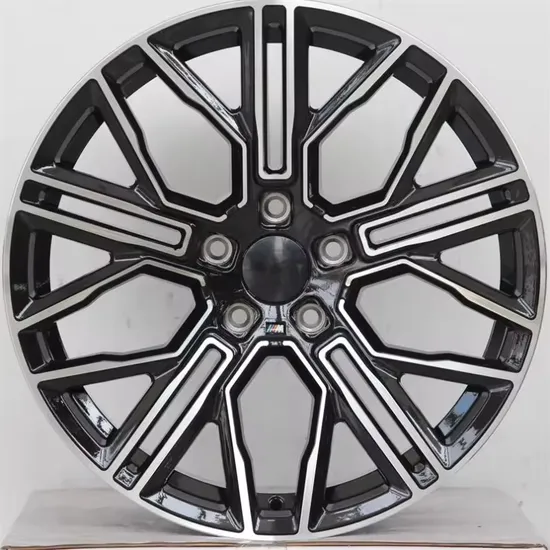 01
WHEEL RIM/HUB
19inch Car Aluminum Alloy Wheel PCD5*120 Aftermarket Sale
View Specifications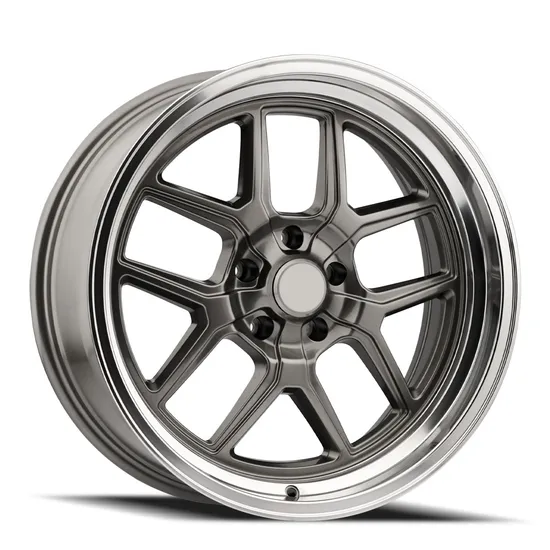 02
WHEEL RIM/HUB
19-Inch 5X120 PCD Et35 Custom Alloy Wheels for Performance
View Specifications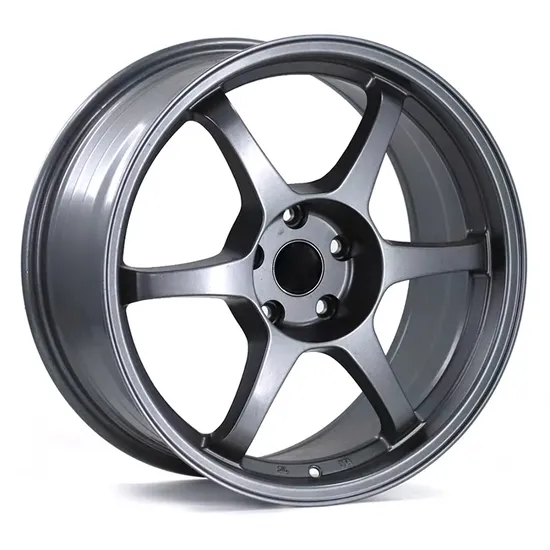 03
WHEEL RIM/HUB
Flow Form Rims 15X6.5 4Holes 6Spokes Lightweight Racing Alloy Wheels
View Specifications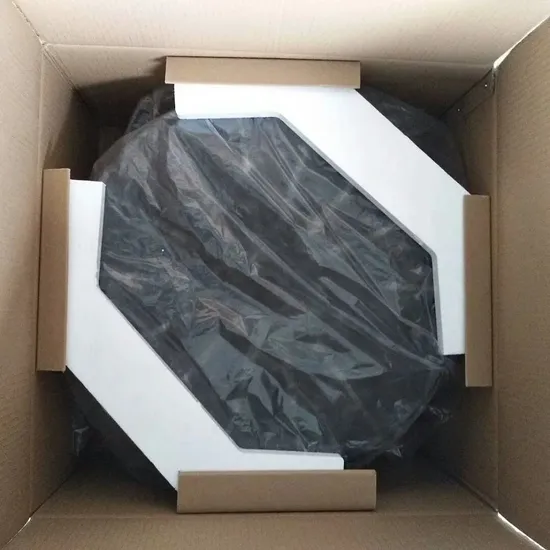 04
WHEEL RIM/HUB
20 22 Inch 5 Hole 120 Luxury Car Alloy Wheels Rim
View Specifications
OE Fitment Check
Not sure it fits? Send us the OE number and we'll check it.
Jinan Yoker Auto Parts matches brake discs, drums, radiators, A/C condensers and wheel rims by OE number, vehicle model and year, PCD, ET and CB, so the parts fit before they ship.
- Factory-direct quote within 24 hours
- Free samples before bulk orders
- 10% off first order for new buyers (terms apply)
- Condenser MOQ from 10 PCS
Keep Reading
Related guides on auto parts sourcing
Buying Guide · · 10 min read
14 Inch Alloy Wheels Wholesale Supplier & Factory Direct Price 2026
Avoid costly port rejections by mastering the 14 inch alloy wheels price drivers for 2026. This guide details FOB pricing tiers by finish and…
Read the Guide
Buying Guide · · 9 min read
Car Rims Supplier for Pakistan: China Factory Direct OEM Wholesale
Sourcing from a reliable Car Rims Supplier for Pakistan requires verified VIA/JWL certification and fitment data matched to local road conditions. Avoid customs delays…
Read the Guide
Buying Guide · · 9 min read
SUV Alloy Wheels 12″-24″ Wholesale Supplier | OEM & Bulk for Sale
Selecting the best alloy wheels for SUV requires precise PCD, ET, and load index matching to prevent costly fitment failures. Verify VIA or TÜV…
Read the Guide